How to Propagate Nodding milkweed?
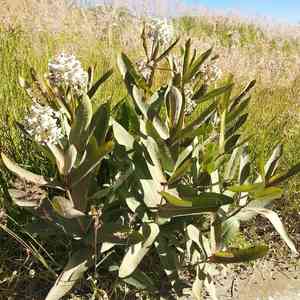
To cultivate nodding milkweed, begin by gathering fully developed seeds from ruptured seed pods. Plant the seeds in soil that drains effectively, lightly covering them. Utilize a propagation container in a location with filtered sunlight and ensure continuous dampness. Relocate the young plants once they possess several mature leaves, exercising caution with their fragile root systems. Make certain to furnish an environment that replicates their native surroundings for peak growth and maturation.
What Is the Best Time To Propagate Nodding Milkweed?
Propagation Type
Sowing
Propagation Season
Spring
What Tools Are Used in Nodding Milkweed Propagation?
Seed Tray
Utilized for planting nodding milkweed seeds in a controlled setting. It offers ample room and drainage for initial growth, simplifying seedling management.
Seed Starting Mix
A specialized, sterile, and fine-textured soil blend designed to support the germination of nodding milkweed seeds. It ensures proper nutrient and moisture balance, minimizing disease risk.
Humidity Dome
Placed over seed trays to maintain high moisture levels, vital for nodding milkweed seed germination. It helps keep the environment consistently damp.
Heating Mat
Supplies warmth from below, which may be necessary for nodding milkweed seed germination, especially if natural temperatures are too low. It ensures a steady seed temperature.
Mist Sprayer
Used to gently moisten seeds without disturbing the soil, maintaining optimal moisture for effective nodding milkweed seed germination.
Labeling Stakes
Crucial for tracking different nodding milkweed seed varieties you are cultivating, along with their planting dates and other key details.
Light Source
Supplementary grow lights can be essential to ensure nodding milkweed seedlings receive sufficient illumination if natural light is inadequate. They encourage robust growth and prevent spindly seedlings.
Transplanting Tools
Small implements like dibbers and trowels are needed for carefully moving nodding milkweed seedlings from the seed tray to individual pots or the garden without harming roots.
Fertilizer
A balanced, mild fertilizer supports nodding milkweed growth once seedlings emerge and begin to develop. It ensures plants receive necessary nutrients during their developmental stages.
How to Propagate Nodding Milkweed?
Propagation Type
Easy
How to Care for Your Newly Propagated Nodding Milkweed?
How to Care for Your Newly Propagated Nodding Milkweed?
Following successful germination and once seedlings have developed several true leaves, transfer them into larger containers using a well-draining soil mixture. Gradually introduce the young plants to outdoor conditions before planting them in the garden. Ensure they are placed in a location with full sun and provide regular watering, allowing the soil to dry out slightly between waterings. Apply mulch around the plant bases to retain soil moisture and reduce weed competition. Monitor for any signs of pests or diseases and address them promptly. Nodding milkweed thrives in well-draining soil and does not require heavy fertilization, making it a low-maintenance addition to any garden.
Common Mistakes to Avoid When Propagating Nodding Milkweed
Overwatering
Excessive moisture can lead to root rot and fungal infections, hindering successful propagation.
Poor Drainage
Using soil that retains too much water can create waterlogged conditions, detrimental to root health.
Improper Light Conditions
Insufficient or excessive light can stress the plant, impacting its growth and development.
Using Non-Sterile Equipment
Unclean tools and containers can introduce pathogens, leading to disease.
Incorrect Cutting Method
Taking cuttings improperly can damage the plant and reduce the likelihood of successful rooting.
Tips For Propagating Nodding Milkweed
Use Well-Draining Soil
Ensure the soil mix allows water to pass through easily to prevent root rot.
Moderate Watering
Water sparingly and allow the soil to dry slightly between waterings to maintain adequate moisture without oversaturation.
Provide Indirect Light
Place the plant in a location with bright, indirect light to promote healthy growth without causing stress.
Sterilize Tools
Use sterilized tools and containers to minimize the risk of disease introduction.
Take Healthy Cuttings
Select healthy, disease-free stems for cuttings and make clean cuts to improve rooting chances.



