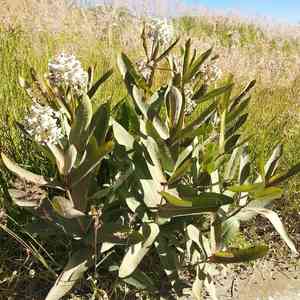
Nodding milkweed (Asclepias glaucescens)
Also known as: None
Willowherb, particularly Rosebay Willowherb, is recognized for its upright stems and clusters of pale pink to mauve flowers that attract numerous pollinators. The plant features narrow, lance-shaped leaves with a subtle waxy texture. Preferring well-drained soils, Rosebay Willowherb flourishes in sunny areas, leveraging its deep roots to withstand dry conditions.
In This Article
Attributes of Nodding milkweed
Lifespan
Perennial
Plant Type
Herb
Plant Height
40-100 cm (16-39 inches)
Spread
30-60 cm (12-24 inches)
Leaf Color
Gray-green
Flower Size
3-8 mm (0.1-0.3 inches)
Flower Color
Yellowish to greenish
Images of Nodding milkweed
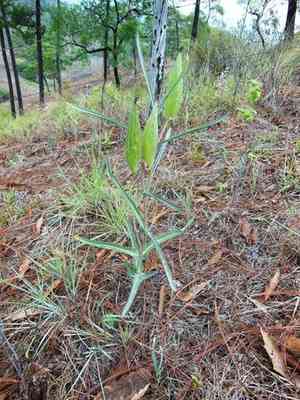
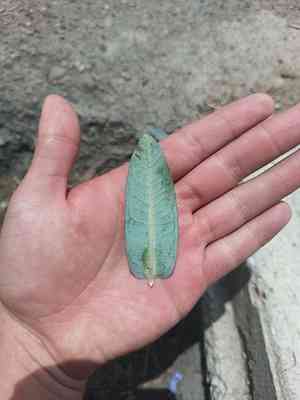
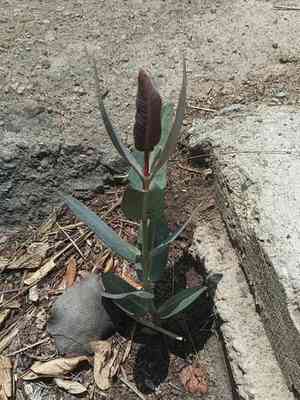
Quickly Identify Nodding milkweed
1
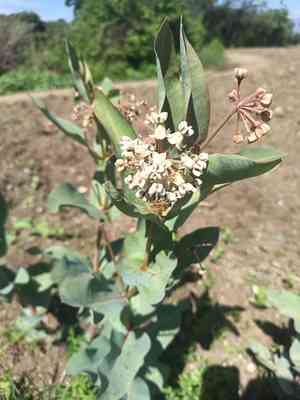
Asclepias glaucescens can be identified by its glaucous (blue-green) foliage, which is the origin of its name. The leaves are typically broad and opposite, growing on erect stems. The plant produces clusters of small, yellowish to greenish flowers with five petals arranged in an unusual hood and horn structure.
Scientific Classification of Nodding milkweed
Phylum
Vascular plants
Class
Dicotyledons
Order
Gentianales
Family
Dogbane
Genus
Milkweeds
Species
Nodding milkweed
Planting and Growing of Nodding milkweed
Care Difficulty
Easy
Watering Schedule
Every 3 days
Sunlight Requirements
Full sun
Sunshine Duration
4-8 hours
Ideal Temperature
65-75℉
Soil Type
Potting Mix, Peat Mix
Soil pH
5.8-7.5
Fertilizer Type
Balanced
Pruning Season
Spring, Summer
Pruning Area
Branches, Leaves
Pruning Frequency
2 times a year
Repotting Season
Spring
Pot Type
Plastic, Ceramic
 How to Water Nodding milkweed?
Asclepias glaucescens requires moderate watering, approximately 200 milliliters per session. Be sure to water deeply so that moisture reaches the roots, allowing the plant to absorb enough water for sustained growth without causing root rot.
What are the symptoms of an underwatered Nodding milkweed?
›
What should I do if my Nodding milkweed is not getting enough water?
›
What are the symptoms of an overwatered Nodding milkweed?
›
How to save an overwatered Nodding milkweed?
›
 What Are the Sunlight Requirements for Nodding milkweed?
Partial to full sun is ideal for Asclepias glaucescens. Adequate sunlight not only supports photosynthetic efficiency for better growth but also fosters stunning, vibrant blooms, enhancing the garden's aesthetic.
How much sunlight does Asclepias glaucescens need?
›
What kind of sunlight is best for this plant?
›
How can you ensure ideal sunlight for Asclepias glaucescens?
›
 What Is the Ideal Temperature Range for Nodding milkweed?
The ideal temperature range for Asclepias glaucescens is between 65°F and 75°F. Within this range, the plant experiences optimal metabolic functioning and growth. This temperature range supports photosynthesis and enables the plant to efficiently utilize nutrients and water. Maintaining this temperature promotes flowering and ensures robust health, providing the best possible conditions for development.
 What Soil is Best for Nodding milkweed?
Asclepias glaucescens thrives best in well-drained soil, which prevents waterlogging and root rot. This is essential as it allows the roots to access oxygen, supporting healthy growth and robust flowering. While not overly demanding, this plant benefits from soils with moderate nutrient levels, bringing about lush growth and increased resistance to pests. A balanced fertilization regime can aid in maintaining this nutrient equilibrium. Though requiring well-drained soil, Asclepias glaucescens also appreciates some moisture retention. This balance helps sustain the plant through dry spells, ensuring continual nutrient uptake and stability.
 How to Fertilize Nodding milkweed?
For Asclepias glaucescens, it's essential to use a balanced, water-soluble fertilizer formulated for flowering plants. During the growing season, apply at a rate of 1/4 strength per the manufacturer's recommendations. This ensures the plant receives adequate nutrients without the risk of over-fertilization.
 How to Prune Nodding milkweed?
Begin by examining the plant for any dead, damaged, or diseased stems. Use your sanitized pruning shears to trim these unwanted parts at an angle, close to the main stem without cutting into healthy tissues. Focus on thinning out crowded branches to allow light and air to reach the center of the plant. Pruning is most effective when done during early spring or after the flowering period in summer. This is when the plant's energy reserves are at their peak, promoting faster recovery. Avoid excessive pruning during late autumn or winter to protect the plant from cold stress.
More About Pruning Techniques→
 How to Propagate Nodding milkweed plant?
1
Collect seeds from mature Asclepias glaucescens pods, which typically burst open when ready. Ensure the seeds are dry and free from any mold or pests before proceeding. Proper storage in a cool, dry place can maintain seed viability until planting.
2
Sow the seeds on the surface of the potting mix in a seed tray. Lightly press them into the soil without covering too deeply, as these seeds require light for germination. Water gently using a fine spray to avoid displacing the seeds.
3
Provide consistent warmth and moisture for successful germination. A temperature range of 70-75°F (21-24°C) is ideal. Using a clear plastic cover can help maintain humidity and warmth, but ensure it has ventilation holes to prevent mold growth.
 How to Repot Nodding milkweed plant?
1
Repot Asclepias glaucescens when you notice roots circling the pot, soil compacting, or stunted growth. These are signs the plant has outgrown its current environment. Spring and summer are the ideal seasons, allowing the plant to quickly recover and capitalize on the growing season.
2
Select a pot that's slightly larger than the current one, with drainage holes to allow excess water to escape. A pot that's too large can lead to overwatering, while a small pot can restrict growth. Choose terracotta or other breathable materials to help regulate moisture.
3
For Asclepias glaucescens, a well-draining sandy soil mix is essential. The right soil prevents waterlogging and provides proper aeration, essential for root health. Consider mixing standard potting soil with sand or perlite to improve drainage and replicate its natural conditions.
Toxicity
ingestion
WARNING
The judgment on toxicity and danger is for reference only. We DO NOT GUARANTEE any accuracy of such judgment. Therefore, you SHALL NOT rely on such judgment. It is IMPORTANT TO SEEK PROFESSIONAL ADVICE in advance when necessary.
Learn More About Nodding milkweed Diseases
Anthracnose
Bacterial Leaf Spot
Bacterial Wilt
Chemical Injury
Damping-off
Downy Mildew
Drought Stress
Fusarium Wilt
Gray Mold
Leaf Curl
Leaf Spot
Mosaic
Nutrient Deficiency
Nutrient Toxicity
Powdery Mildew
Root Rot
Root-knot Nematode
Rusts
Sooty Mold
Spider Mites
Temperature Stress
Thrips Damage
White Mold



