How to Prune Breadfruit?
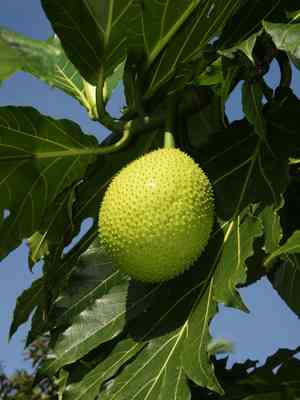
Hailing from the Pacific Islands, breadfruit is renowned for its substantial, nourishing fruits and impressive leaves. Trim breadfruit during springtime to foster robust development and fruit yield. Eliminate deceased or excessively dense branches, and sculpt the crown to enhance airflow. For peak vitality, restrict trimming to essential cuts, thereby avoiding plant stress. Deliberate elimination of specific branches maximizes fruit dimensions and excellence, bolsters tree architecture, and simplifies garden upkeep.
What Are the Benefits of Pruning Breadfruit?
What Are the Benefits of Pruning Breadfruit?
Trimming breadfruit boosts output by eliminating extra leaves to better direct resources to fruit development. It keeps the plant robust by removing dead or sick branches, thus promoting healthier growth. Pruning also maintains the desired form, managing size and improving air circulation within the canopy.
What Is the Best Time for Pruning Breadfruit?
What Is the Best Time for Pruning Breadfruit?
Pruning breadfruit in spring is recommended as this season follows its dormant period and precedes its main growth phase. Trimming in spring allows the plant to recover and efficiently channel its energy into new growth. Pruning before hot weather minimizes stress and reduces the risk of disease or pests exploiting fresh cuts. Furthermore, since breadfruit typically fruits after its growth flush, spring pruning ensures the plant's energy is conserved for fruit production rather than sustaining excessive foliage.
What Tools Do I Need to Prune Breadfruit?
Hand Pruners
Perfect for cutting small branches and twigs of breadfruit, ensuring clean cuts that encourage healthy regrowth.
Lopping Shears
Ideal for cutting through thicker branches of breadfruit, typically up to 1.5 inches in diameter, providing the necessary leverage without harming the plant.
Pruning Saw
Essential for removing larger branches from breadfruit, offering precise cuts and reducing the risk of tearing the bark or damaging the tree structure.
Pole Pruners
Useful for reaching higher branches of breadfruit without needing a ladder, ensuring safety and efficiency during the pruning process.
How to Prune Breadfruit
Clean Tools
Before pruning breadfruit, sanitize your pruning tools to prevent disease spread. Use a solution of 1 part bleach to 9 parts water or a commercial disinfectant.
Inspect
Examine breadfruit for any dead or diseased branches. Look for signs of decay, discoloration, or wounds on the branches.
Cut Dead
Using sharp, clean pruning shears, cut dead branches where they meet healthy wood. Make sure to cut at a slight angle to prevent water accumulation on the stump, which can cause decay.
Cut Diseased
Remove diseased branches by cutting at least several inches below the affected area. If the entire branch is affected, remove it at its base. Dispose of diseased material properly to prevent contamination.
Cleanup
After pruning breadfruit, clear all debris from around the base of the plant. This will help prevent further disease and pest issues.
Common Pruning Mistakes with Breadfruit
Overpruning
Removing too much foliage at once can stress breadfruit, potentially leading to reduced vigor or even plant mortality. As a general guideline, avoid removing more than one-third of the foliage during a single pruning session.
Improper Cut Techniques
Incorrect cutting techniques, such as tearing the branches or making flush cuts against the trunk, can open breadfruit to infections and pests. Clean cuts at a 45-degree angle, just above a node or lateral branch, are essential.
Ignoring Diseased Or Dead Limbs
Neglecting to remove diseased, dead, or damaged limbs can lead to further decay and the onset of diseases or pests that can affect the overall health of breadfruit.
Random Cutting
Indiscriminate or 'topping' cuts can ruin the natural form of breadfruit and inhibit flower and fruit production. Pruning should be deliberate and focused on the plant's structure.
Pruning Young Trees Aggressively
Aggressively pruning young breadfruit can stunt their growth and delay fruiting. Young trees usually require minimal pruning to shape the plant and encourage a strong framework.
Common Pruning Tips for Breadfruit
Sanitize Tools
Before pruning breadfruit, always sanitize tools to prevent the spread of disease. Use a solution of 1 part bleach to 9 parts water or a commercial disinfectant.
Consider Plant Structure
Prune breadfruit to maintain its natural form while promoting good air circulation and sunlight penetration, which are crucial for the health of the plant and future fruit production.
Selective Pruning
Remove only the necessary parts of breadfruit, such as dead or diseased branches, suckers, and water sprouts that do not contribute to the plant's structure or fruiting capacity.
Pruning For Health
Regularly check breadfruit for any signs of disease or pest infestation, and address these issues immediately through pruning of affected areas and proper disposal of the removed material.
Encourage Strong Branch Angles
For breadfruit, branches with wider angles are stronger and more productive. Prune to encourage the growth of limbs with angles between 45 and 60 degrees.



