How to Propagate Breadfruit?
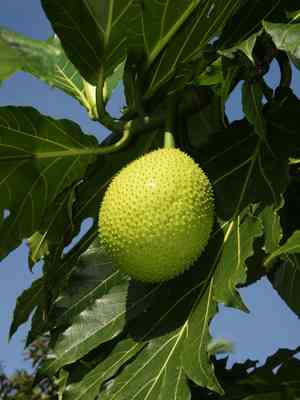
Originating from the Pacific Islands, breadfruit is a tropical fruit-bearing tree prized for its nourishing, starchy produce. Breadfruit is typically multiplied using asexual reproduction techniques, with grafting presenting a viable option to preserve the traits of a preferred parent specimen. Effective grafting necessitates choosing a robust scion from the donor tree, guaranteeing intimate cambial alignment with the rootstock for peak development. Reducing environmental strain by supplying steady hydration and shielding from harsh conditions additionally aids the successful establishment of breadfruit during its early developmental phase.
When Is the Optimal Time to Propagate Breadfruit?
Propagation Type
Grafting
Propagation Season
Spring,Winter
What Equipment Is Utilized in Breadfruit Propagation?
Grafting Knife
A sharp, precise grafting knife is vital for making clean incisions on the scion and rootstock of breadfruit. Clean cuts promote better contact between grafting surfaces, crucial for successful union and reducing infection risk.
Grafting Tape
This material is used to firmly secure the connection between the scion and rootstock of breadfruit post-grafting. Grafting tape helps maintain alignment and contact, preventing dehydration and encouraging faster healing and vascular connection.
Rooting Hormone
Applying rooting hormone to the cut surfaces of breadfruit's rootstock can increase the likelihood of successful graft take. It encourages quicker root development and supports stronger bond formation at the grafting site, improving overall plant stabilization.
Pruning Shears
Used for preparing the rootstock before the grafting process. Pruning shears must be sharp and clean to make precise cuts on breadfruit, ensuring healthy plant material is used for grafting, which is key for preventing disease and promoting vigorous growth.
How to Propagate Breadfruit?
Propagation Type
Moderately Difficult
How to Care for Your Newly Propagated Breadfruit?
How to Care for Your Newly Propagated Breadfruit?
After propagation, ensure consistent watering to keep the soil lightly moist, especially during dry spells. Avoid excessive watering to prevent root rot. Breadfruit thrives in nutrient-rich, well-draining soil, so applying a balanced, slow-release fertilizer every few months can support healthier development. Additionally, keep the area around breadfruit weed-free and regularly check for pests and diseases. Proper care will foster robust growth, leading to a productive breadfruit tree.
Common Errors to Avoid When Propagating Breadfruit
Overwatering
Excessive hydration of breadfruit cuttings or saplings can lead to root rot, which can be fatal for young plants. Maintaining a moisture balance is crucial, as too much water limits oxygen to the roots, causing decay.
Deep planting
Burying breadfruit cuttings or seeds too deeply in the soil can prevent them from receiving adequate light and air, hindering root and shoot development. This error can severely delay or even halt the germination process.
Using poor-quality cuttings
Utilizing diseased or weak cuttings from breadfruit can result in poor or no growth. Cuttings should be healthy and viable to ensure the propagation success of breadfruit.
Ignoring pest control
Neglecting pest management can lead to infestations that compromise the health and growth of breadfruit. Regular inspections and proactive measures are essential to safeguard propagating plants.
Skipping pre-treatment
Failing to treat breadfruit seeds or cuttings before planting may reduce their chances of successful growth. Some forms of pre-treatment can stimulate better and more reliable germination or rooting.
Tips For Propagating Breadfruit
Appropriate cutting selection
Choose strong and disease-free cuttings from mature breadfruit plants. Cuttings should have several nodes and be 2 to 4 inches long for optimal rooting potential.
Correct planting depth
Plant breadfruit seeds or cuttings shallowly, ensuring they are not buried too deep. A general guideline is to plant two to three times the width of the seed and to plant cuttings with the bottom nodes buried and top nodes above the soil.
Soil quality and drainage
Use fertile, well-draining soil to provide the necessary nutrients and moisture control for breadfruit propagation. Adequate drainage is crucial to prevent waterlogging and root rot.
Humidity and warmth
Maintain a warm and humid environment for breadfruit cuttings or seedlings to encourage rooting and growth. This can be achieved by using a greenhouse or by covering the propagating material with a plastic dome to retain moisture and heat.
Gentle watering
Water breadfruit cuttings and saplings delicately to keep the soil evenly moist but not saturated. Utilizing a spray bottle or a gentle watering can help regulate the amount of water provided.



