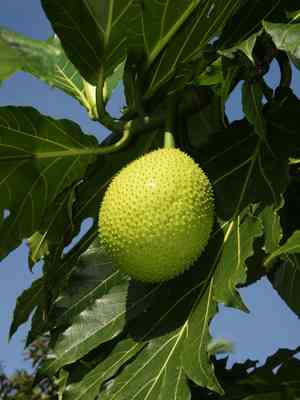
Breadfruit (Artocarpus altilis)
Also known as: Parkinson, Fosberg
Breadfruit (*Artocarpus altilis*), a vital source of nutrition in many regions, originates from New Guinea, the Maluku Islands, and the Philippines.
In This Article
Attributes of Breadfruit
Lifespan
Perennial
Plant Type
Tree
Plant Height
9 m to 15 m
Spread
20 m
Leaf Color
Green
Flower Size
10 cm to 13 cm
Flower Color
Yellow Green
Images of Breadfruit
Quickly Identify Breadfruit
1
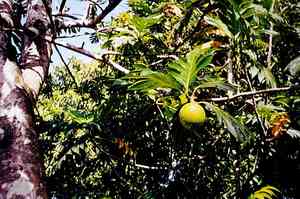
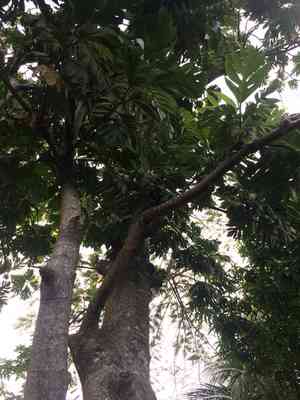
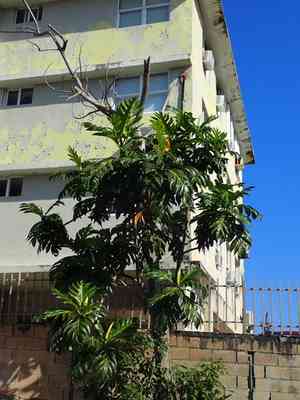
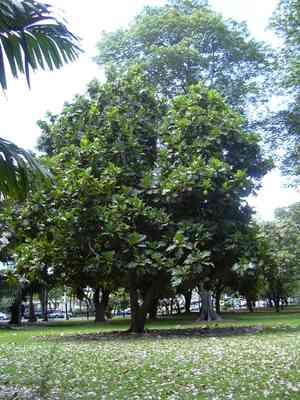
Breadfruit trees can be identified by their large, glossy, and deeply lobed leaves which are dark green on the upper surface and lighter below. The trees bear large, round fruits with a bumpy green surface that turns yellow when ripe.
Scientific Classification of Breadfruit
Phylum
Vascular plants
Class
Dicotyledons
Order
Roses, elms, figs, and allies
Family
Mulberry
Genus
Artocarpus
Species
Breadfruit
Planting and Growing of Breadfruit
Care Difficulty
Moderate
Watering Schedule
Every 3 days
Sunlight Requirements
Full sun
Sunshine Duration
4-8 hours
Ideal Temperature
77-86℉
Soil Type
Potting Mix, Peat Mix
Soil pH
6.5-7.5
Fertilizer Type
Balanced
Pruning Season
Spring, Summer
Pruning Area
Branches, Leaves
Pruning Frequency
2 times a year
Repotting Season
Spring
Pot Type
Plastic, Ceramic
 How to Water Breadfruit?
For Artocarpus altilis, the goal is to maintain soil that is evenly moist but not waterlogged, which means watering until the water reaches a depth of around 8 to 10 inches. Ensure it drains well.
What are the symptoms of an underwatered Breadfruit?
›
What should I do if my Breadfruit is not getting enough water?
›
What are the symptoms of an overwatered Breadfruit?
›
How to save an overwatered Breadfruit?
›
 What Are the Sunlight Requirements for Breadfruit?
Artocarpus altilis thrives in full to partial sun, benefitting from up to 8 hours of sunlight daily. With ideal lighting conditions, the plant is healthier, with vigour and enhanced fruiting potential.
More About Sunlight Requirements Techniques→
How much sun does it need?
›
What are ways to ensure optimal lighting?
›
What benefits does ideal lighting provide?
›
 What Is the Ideal Temperature Range for Breadfruit?
The ideal temperature range for growing Artocarpus altilis is between 77°F and 86°F. Maintaining this range ensures optimal growth and fruit production.
 What Soil is Best for Breadfruit?
Breadfruit thrives in well-drained soil because it prevents waterlogging, which can lead to root rot. This condition ensures that the roots can breathe and access the necessary oxygen, promoting healthy growth. Opt for soil that is rich in organic matter and nutrients. This helps in supplying the essential elements necessary for robust tree growth and fruit production. The added nutrients improve soil structure and support microbiological activity. While breadfruit requires well-drained soil, a moderate level of moisture retention is also important. This ensures the plant remains hydrated during dry spells without holding excessive water, balancing the root environment.
 How to Fertilize Breadfruit?
For Artocarpus altilis, or breadfruit tree, use a balanced 10-10-10 liquid fertilizer. Apply about half a gallon diluted according to package instructions per plant to avoid over-fertilization, which can damage the roots and adversely affect growth.
 How to Prune Breadfruit?
Start by removing any dead, damaged, or diseased branches. This helps in preventing the spread of diseases and pests while encouraging healthy growth. Shape the tree by trimming back long branches and maintaining a balanced form. Focus on cutting above leaf nodes to stimulate new growth.
More About Pruning Techniques→
 How to Propagate Breadfruit plant?
1
Choose healthy stems and use clean, sharp pruning shears to cut them at an angle. Each cutting should include at least two leaf nodes and be approximately 6-8 inches long. Remove excess leaves to minimize moisture loss.
2
Dip the cut end of each cutting into a rooting hormone to stimulate root growth. Tap off any excess powder to prevent fungal growth, ensuring only a thin layer coats the cutting base.
3
Insert the treated cuttings into a well-draining potting mix. Maintain space between cuttings to enable adequate airflow and prevent mold. Water the cuttings lightly to settle the soil around them.
 How to Repot Breadfruit plant?
1
Artocarpus altilis should be repotted when its roots start to outgrow the current container, peeking out from the drainage holes. Another sign is when the growth rate slows, and the soil appears compacted. Ideally, repot in spring or summer when the plant is actively growing to minimize transplant shock and ensure quick recovery.
2
Opt for a pot that is one size larger than the current one, with ample drainage holes to prevent waterlogging. A terracotta pot is a great choice as it allows good air circulation and prevents the soil from becoming overly moist, which can lead to root rot. Adequate drainage ensures the roots are healthy and thriving.
3
Use a rich, organic, and well-draining soil mix to ensure proper nutrient availability and prevent waterlogging. A mix of peat, perlite, and compost can provide a balanced texture. This type of soil ensures that the roots have access to oxygen and nutrients, promoting robust and healthy growth of your Artocarpus altilis.
Learn More About Breadfruit Diseases
Anthracnose
Bacterial Leaf Spot
Bacterial Soft Rot
Bacterial Wilt
Chemical Injury
Crown Gall
Damping-off
Drought Stress
Fusarium Wilt
Gray Mold
Leaf Curl
Leaf Spot
Mosaic
Nutrient Deficiency
Nutrient Toxicity
Powdery Mildew
Root Rot
Root-knot Nematode
Sooty Mold
Spider Mites
Temperature Stress
Thrips Damage
White Mold



