How to Prune Silver mound?
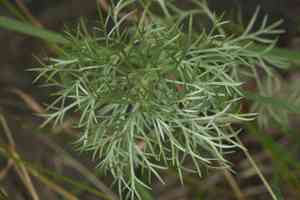
This robust, clump-forming perennial features delicate, silvery-gray leaves, providing distinct visual interest in landscapes. For silver mound, perform pruning in the early spring. Trim back any excessively long, deceased, or compromised foliage to preserve its form and foster compact development. Following its blooming period, a gentle trim can stimulate a subsequent flowering. Conduct pruning in late autumn to ready the plant for the colder months. Refrain from aggressive pruning; excessive removal of growth can be detrimental to the plant. Consistent trimming improves the richness of its foliage and prevents it from splitting.
What Are the Benefits of Pruning Silver Mound?
What Are the Benefits of Pruning Silver Mound?
Trimming silver mound is essential for keeping its dense, rounded shape, stopping it from becoming sparse. Regular cutting encourages thicker foliage, ensuring the plant stays robust and visually appealing.
What Is the Best Time for Pruning Silver Mound?
What Is the Best Time for Pruning Silver Mound?
Trimming silver mound in early spring allows for the removal of any dead or damaged leaves from winter, without disrupting the natural growth cycle that begins as the weather warms. This timing also prevents cutting back the plant too late in the season, which can lead to new growth that will not harden off in time for winter, thus risking damage from cold temperatures. Additionally, it ensures that the plant maintains its compact, rounded shape and encourages vigorous growth throughout the growing season. Avoiding pruning in late fall is crucial since it can stimulate new growth that won't survive the winter, leading to weaker plants in the spring. By adhering to these guidelines, the health and aesthetic of silver mound can be optimally maintained.
What Tools Do I Need to Prune Silver Mound?
Hand Pruners
Ideal for making accurate cuts on silver mound, enabling careful shaping and removal of any dead or damaged foliage without causing unnecessary harm to the plant's delicate structure.
Gardening Scissors
Perfect for trimming softer stems and leaves of silver mound, offering precision for maintaining the mound shape and encouraging new growth.
Pruning Snips
Excellent for deadheading and detailed work on silver mound, which may include thinning out small, crowded areas to improve air circulation within the plant.
Gloves
Protection for the hands from silver mound's potentially irritating foliage while pruning, ensuring the gardener's safety.
How to Prune Silver Mound
Step1: Tool Preparation
Prepare the necessary pruning tools such as sharp, clean pruning shears or scissors. This step is crucial for making clean cuts that will heal rapidly and reduce the risk of transmitting diseases to silver mound.
Step2: Identifying Old Wood
Inspect silver mound for old wood, which can be identified as woody, non-productive stems that no longer produce new foliage. Old wood may appear more rigid and darker than new, green growth.
Step3: Pruning Old Wood
Cut the old wood at its base where it meets newer, green growth. Make the cut at a slight angle and as close to the new growth as possible without damaging it, to encourage silver mound to continue to produce healthy new growth.
Step4: Inspecting for Damage
Examine silver mound for any damaged stems, which may be broken, split, or showing signs of disease or pest damage. These can impede the health and aesthetic of the plant if left unaddressed.
Step5: Pruning Damaged Stems
Prune the damaged stems back to a healthy part of the stem. If the entire stem is compromised, remove it at the base. Ensure to cut at a 45-degree angle to prevent water accumulation that could lead to disease.
Step6: Deadheading Spent Flowers
Deadhead or remove spent flowers to promote further blooming and maintain the tidy, mound-shaped habit of silver mound. Spent flowers can be snipped off where the flower stem meets the foliage.
Step7: Shaping the Plant
Shape silver mound after removing old wood, damaged stems, and spent flowers by lightly pruning around the plant to maintain its natural, mound-like shape. Cut back any excessively long stems to keep the form compact.
Step8: Cleanup Cuttings
After pruning, clear away all cuttings from around the base of silver mound to prevent potential pest and disease problems. Proper hygiene helps to keep silver mound healthy.
Step9: Post-Pruning Care
Water silver mound if the soil is dry and apply a balanced, slow-release fertilizer to support healthy new growth after pruning. Make sure not to over-fertilize, as this can lead to leggy growth.
Step10: Monitoring and Adjustments
Monitor silver mound periodically after pruning for any signs of stress or further issues, making additional pruning adjustments as needed during the growing season to maintain its shape and vigour.
Post-Pruning Care for Silver Mound
Post-Pruning Care for Silver Mound
Immediately after pruning silver mound, water gently to help recovery. Provide partial sun and shield from harsh conditions. Maintain moderate humidity and avoid temperature extremes. Apply balanced fertilizer to sustain growth but avoid over-fertilization that can stress silver mound. Monitor for wilt or discoloration as signs of distress. If detected, adjust care and seek plant-health advice.
Common Pruning Mistakes with Silver Mound
Over-pruning and Plant Weakness
Excessive pruning of silver mound, which can lead to feeble growth and susceptibility to diseases.
Damaging the Plant's Woody Base
Cutting into the woody base of the plant, potentially causing irreversible damage to silver mound.
Ignoring Dead Stems and Plant Health
Failing to remove dead or damaged stems, which can hinder the overall health and appearance of silver mound.
Using Blunt or Unclean Tools
Employing dull or dirty pruning tools, which can make imprecise cuts and introduce pathogens to silver mound.
Pruning Without a Plan
Trimming without a clear objective, leading to an unnatural shape or size that can compromise the aesthetic value of silver mound.
Common Pruning Tips for Silver Mound
Precision Cuts with Clean Shears
Use sharp, clean shears to make precise cuts and prevent disease transmission when pruning silver mound.
Prune for Natural Shape Maintenance
Prune to maintain the natural mound shape of silver mound, cutting back overgrown stems to just above a leaf set or branching point.
Remove Dead Growth Regularly
Regularly check for and remove dead or damaged growth to keep silver mound healthy and promote new foliage.
Thin Dense Centers for Air Circulation
Thin the center of the plant if it becomes too dense, as this allows for better air circulation and can reduce the risk of fungal diseases.
Pinching Back for Fuller Growth
Pinch back tips of young silver mound plants to promote fuller, bushier growth and avoid the plant becoming leggy.
Rejuvenation After Plant Splitting
If silver mound splits in the center, especially after a heavy rain, consider a more thorough pruning to rejuvenate the plant and restore its shape.



