How to Overwinter Silver mound
1
Silver mound tolerates cold and can endure freezing conditions if cared for correctly.
2
The best mulch depth for Silver mound is 5-8 cm (2-3 inches).
3
Trim Silver mound in late autumn to minimize potential harm from winter.
Understanding Silver moundâs Winter Needs
Understanding Silver moundâs Winter Needs
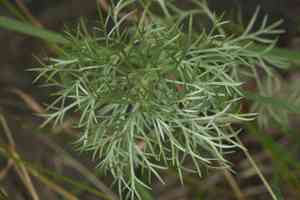
Before delving into the specifics of preparing your Silver mound for winter, it's crucial to grasp the plant's fundamental requirements. Silver mound is a resilient perennial known for its silvery, feathery leaves. It flourishes in well-drained soil and full sun. Despite its toughness, it benefits from some preparation to thrive through the colder months. The primary concerns are safeguarding it from extreme cold, ensuring proper drainage, and preventing desiccation or frost heave.
Preparing Your Silver mound for Winter
When to Start Preparation?
The optimal time to begin preparing your Silver mound for winter is in late autumn, prior to the initial hard frost. Typically, this occurs around late October to early November, depending on your regional climate. Starting early ensures your plant has ample time to adapt to the changing conditions.
Pruning the Plant
Trimming your Silver mound is a vital step in winter preparation. Cut back the plant by approximately one-third of its height to lessen exposure to snow and ice accumulation. This not only minimizes the risk of physical harm but also encourages healthier regrowth in the spring.
Mulching Techniques
Mulching is essential for insulating the roots of your Silver mound. Apply a 5-8 cm (2-3 inches) layer of organic mulch, such as shredded leaves, straw, or pine needles, around the base of the plant. This layer aids in retaining soil moisture and provides a thermal buffer against fluctuating temperatures.
Protecting Silver mound from Frost
Using Covers and Insulation
To shield your Silver mound from severe frost, consider utilizing garden fabric or burlap to cover the plant. These materials offer a breathable layer that protects the plant from extreme cold while preventing moisture buildup that could lead to rot. Ensure the cover is securely fastened to prevent it from being dislodged by winter winds.
Positioning and Placement
The location of your Silver mound can also impact its winter survival. Ensure it is planted in an area with good air circulation and away from spots prone to water accumulation. If feasible, position it near a south-facing wall for additional warmth and protection from northerly winds.
Monitoring Silver mound During Winter
Checking Soil Moisture
Although Silver mound is drought-tolerant, it's still important to periodically check soil moisture during winter. The soil should be kept slightly moist, not waterlogged. Overly dry conditions can lead to dehydration, while excessive moisture can cause root rot.
Inspecting for Pests and Diseases
Regularly inspect your Silver mound for any indications of pests or diseases. Winter can attract pests seeking refuge, and damp conditions can promote fungal growth. Employ organic pest control methods as needed and ensure adequate air circulation to prevent disease spread.
Revitalizing Silver mound in Spring
Assessing Winter Damage
As the frost begins to melt, start evaluating your Silver mound for any winter damage. Look for signs of dieback, frost damage, or rot and prune away any affected areas to prevent the spread of disease.
Fertilizing and Pruning
Once the risk of frost has passed, apply a balanced, slow-release fertilizer to encourage new growth. Prune back any remaining dead or damaged foliage to stimulate healthy regrowth and shape your plant for the upcoming growing season.



