The Silver mound Plant Advantage: Maximizing Home and Office Appeal and Wellness
1
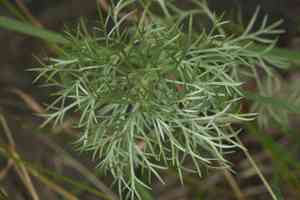
This botanical specimen flourishes in soil that drains effectively and in areas exposed to ample sunlight.
2
It is recognized for its abundant, silvery leaves, which contribute a distinctive feel to any landscape.
3
Caring for this plant is straightforward, requiring little irrigation and infrequent trimming.
Why Silver Mound is a Garden Favorite
Distinctive Visual Appeal
A primary reason to include Silver Mound in your garden is its captivating look. The plant's abundant, silvery foliage creates a gentle, refined backdrop that beautifully complements other garden flora. Its mounded form adds an intriguing shape, contrasting with more common upright garden plants.
Minimal Upkeep Requirements
Another significant advantage is its low-maintenance nature. Silver Mound tolerates drought and thrives in well-drained soil, making it perfect for gardeners who prefer plants needing little constant care. Its resilience and ability to flourish with minimal watering suit busy homeowners or rock garden use.
Caring for Silver Mound: Essential Advice
Optimal Growth Conditions
For best growth, plant Silver Mound where it gets ample sunlight. While it can endure some shade, full sun enhances its foliage color most. Ensure the soil drains well to prevent root rot. Adding compost can improve soil quality and supply vital nutrients.
Watering and Trimming Guidelines
Although Silver Mound is drought-tolerant, regular watering is crucial during its initial growth phase to help establish roots. Once mature, it needs little water. Pruning is generally unnecessary, but occasional trimming can help maintain its compact form and remove any dead or withered leaves.
Can Silver Mound Enhance Your Landscape?
Ideal for Rock Gardens and Edges
Silver Mound's compact and dense growth habit makes it perfect for rock gardens and borders. It pairs well with other low-growing plants and can serve as an excellent ground cover, reducing the need for mulching.
Companion Planting Strategies
Its silver foliage offers a striking contrast to plants with darker leaves or vibrant blooms. Consider pairing Silver Mound with other drought-tolerant plants like lavender, rosemary, or ornamental grasses to create a visually appealing and harmonious garden design.
What Are the Potential Difficulties?
Pests and Diseases Concerns
One of Silver Mound's most attractive features is its resistance to most pests and diseases. However, excessive watering can lead to root rot, so always ensure good soil drainage. Watch for any signs of fungal infections, especially in humid conditions.
Climate Considerations for Growth
While Silver Mound is robust, it may not thrive in extremely hot or humid environments. If you live in a high-humidity region, consider planting it in an area with good air circulation to prevent potential fungal issues.
Why Choose Silver Mound for Your Garden?
Adaptability in Garden Design
Silver Mound's aesthetic versatility allows it to fit into various garden styles, be it modern, rustic, or traditional. Its unique color and texture can enhance any garden design, making it a flexible choice for both new and experienced gardeners.
Environmentally Friendly Landscaping
Given its low water needs and minimal care, Silver Mound is an eco-friendly landscaping option that supports sustainable gardening practices. Its hardiness reduces the need for chemical fertilizers and pesticides, making it an environmentally responsible choice.



