Optimal Fertilizer for Growing Silver mound: What You Need to Know
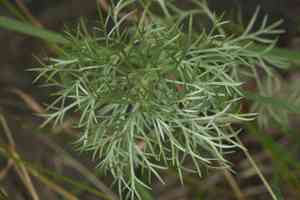
1
Nourish your Silver mound in early spring to initiate its growth cycle.
2
A 10-10-10 NPK blend is perfect for Silver mound, promoting general well-being.
3
Silver mound is sensitive to excessive feeding, thus adhere strictly to label instructions.
Understanding the Nutritional Needs of Silver mound
The Importance of Nitrogen, Phosphorus, and Potassium
Nitrogen, phosphorus, and potassium, commonly known as NPK, are crucial elements for robust plant development. Silver mound thrives with a balanced intake of these nutrients. Nitrogen promotes lush, green leaves, phosphorus aids in strong root formation, and potassium boosts the plantâs overall health and vigor, enhancing its resistance to diseases and stress.
Trace Elements Beneficial for Silver mound
Beyond NPK, micronutrients such as iron, manganese, zinc, and copper are vital for your Silver mound's well-being. These elements assist in various biological processes, contributing to overall growth and the distinctive silver-grey hue that Silver mound is valued for. Though required in smaller quantities, their presence significantly impacts the plant's vitality.
Choosing the Right Fertilizer for Silver mound
Organic vs. Synthetic Fertilizers: Pros and Cons
Both organic and synthetic fertilizers offer distinct benefits and drawbacks. Organic options, like compost and manure, enhance soil structure and provide a gradual release of nutrients. They are eco-friendly but may act slower. Conversely, synthetic fertilizers offer immediate nutrient availability and precise ratios, crucial for targeted feeding, but can lead to salt accumulation in the soil if overused.
Recommended NPK Ratio for Silver mound
For Silver mound, a balanced NPK ratio such as 10-10-10 or 14-14-14 is advised. This balanced blend supplies equal parts nitrogen, phosphorus, and potassium, which helps maintain the plant's overall health. Avoid high-nitrogen fertilizers, as these can result in excessive leaf growth at the expense of root development.
When and How Often to Fertilize Silver mound?
Best Time of Year for Fertilizing Silver mound
The ideal time to fertilize Silver mound is in early spring. This timing coincides with the start of the plantâs active growth phase, supplying the necessary nutrients for a strong beginning. Depending on your soil conditions and climate, a second, lighter application in mid-summer can help sustain growth through the warmer months.
Signs That Silver mound Needs Fertilization
Look for indicators that your Silver mound might require additional feeding, such as yellowing leaves, stunted development, or an unusual dullness in its foliage color. These signs often suggest nutrient deficiencies, indicating the need for a balanced, thorough feeding.
Applying Fertilizer to Silver mound
Step-by-Step Guide to Fertilizing Silver mound
Start by testing your soil to determine its current nutrient composition.Select a balanced fertilizer with a 10-10-10 or 14-14-14 ratio.Distribute the fertilizer evenly around the plant's base, avoiding direct contact with stems or leaves.Water the area thoroughly after fertilizing to aid nutrient distribution.Repeat the process as needed, typically once in early spring and optionally once in mid-summer.
Common Mistakes to Avoid in Fertilizing
Prevent over-fertilizing, which can cause nutrient burn and harm plant roots. Adhere to recommended dosages and schedules. Also, refrain from applying fertilizer directly to the foliage or before heavy rain, as this can wash away nutrients before they benefit the plant.
Monitoring Silver mound Post-Fertilization
Observing Growth and Health Changes
After fertilizing, observe your Silver mound for signs of improved health, such as vibrant foliage, increased growth rate, and enhanced color. Regularly check soil moisture levels and plant condition to ensure optimal growing conditions.
Adjusting Fertilization Practices Based on Plant Response
If you notice your Silver mound is responding well, you can continue with the same fertilization routine. However, if the plant shows signs of nutrient burn or deficiencies, adjust the fertilizer type or amount accordingly. Document your observations for future reference to refine your fertilization strategy.



