How to Prune Horseradish?
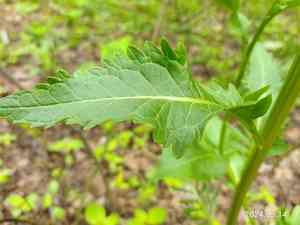
Horseradish, a perennial plant characterized by its sizable leaves and sharp-tasting roots, thrives with regular trimming to encourage development and preserve its well-being. Any time you notice withered or ailing leaves, remove them. Following the root harvest, trim the foliage to stimulate fresh growth. The most opportune periods for this are early spring, prior to the appearance of new shoots, and late summer, post-harvest. This practice guarantees a strong root structure and prevents excessive density, thereby improving both the quantity and excellence of the crop.
What Are the Benefits of Pruning Horseradish?
What Are the Benefits of Pruning Horseradish?
Trimming horseradish promotes robust development and maintains its desired form. Strategic cuts enhance air circulation and sun exposure, crucial for a strong root system. Regular trimming helps manage size, boosting the plant's visual appeal and output.
What Is the Best Time for Pruning Horseradish?
What Is the Best Time for Pruning Horseradish?
Early spring is optimal for trimming horseradish as it emerges from dormancy, prior to its rapid growth phase. This timing allows shaping the plant and removing dead or damaged roots without stressing it, leading to improved growth and root development. Late summer trimming is suitable because horseradish has finished its initial growth spurt, allowing energy to be redirected from foliage to root development, which is vital for its vigor and productivity. Pruning in these seasons reduces disease risk through cut surfaces since the plant is not actively growing, thus fostering overall health and resilience.
What Tools Do I Need to Prune Horseradish?
Hand-held pruning shears
For snipping off old leaves and stems of horseradish, hand-held pruning shears are useful, offering precise control and easily cutting through the plant's relatively thin stalks.
Garden gloves
To shield hands from the potentially irritating sap of horseradish, garden gloves are essential for safe handling during trimming activities.
Long-handled loppers
If horseradish has developed thicker, woodier stems, long-handled loppers can provide the extra leverage needed for clean cuts without straining the gardener's hands.
Pruning saw
For more mature and established roots or very thick stems, a pruning saw can assist in making necessary larger cuts with ease.
How to Prune Horseradish
Step1: Timing Pruning Post-Frost or Pre-Spring Growth
Choose the appropriate time for trimming horseradish, either after the first autumn frost or in early spring before its growth cycle begins.
Step2: Disinfect Tools with Bleach Solution
Sanitize pruning tools with a solution of one part bleach to nine parts water to prevent disease spread.
Step3: Dig and Prune Woody, Old Roots
Remove older roots by digging around the base of horseradish to expose them. Use a sharp shovel or garden fork to lift the roots. Trim any that are older, woody, and larger than 1 inch in diameter, as they do not contribute to the plant's vigor.
Step4: Cut Old Roots Away from Taproot
Cut the older roots where they are still firm and healthy, typically a few inches from the main taproot, and dispose of them properly.
Step5: Inspect Leaves for Disease Signs
Examine the leaves of horseradish for signs of disease such as black spots, rot, or mildew.
Step6: Remove Diseased Leaves at Base
Trim diseased leaves by cutting them off at their base where they emerge from the main stalk, using clean, sharp scissors or pruning shears.
Step7: Thin Out Leaves to Improve Airflow
Thin out crowded areas by removing some leaves to enhance air circulation, which can help reduce disease pressure on horseradish.
Step8: Enrich Soil with Compost Post-Pruning
Apply a thin layer of compost around the base of horseradish after trimming to encourage healthy regrowth.
Step9: Water Plant Thoroughly After Pruning
Water horseradish thoroughly after trimming, especially if older roots were removed, to aid plant recovery.
Step10: Dispose of Pruned Material Responsibly
Discard all trimmed material, particularly diseased leaves, in the trash or by burning to prevent pathogen spread.
Step11: Clean and Disinfect Pruning Tools
Clean and sanitize all tools used in the trimming process again to ensure they are free from plant residue and disease organisms.
Step12: Monitor Plant for Growth or Disease
Regularly monitor horseradish after trimming for signs of new growth or recurring disease. Apply appropriate treatments if disease signs are detected.
Post-Pruning Care for Horseradish
Post-Pruning Care for Horseradish
After trimming horseradish, immediately water the soil to aid recovery. Maintain optimal light exposure, but shield from harsh sun. Ensure humidity is not excessive and temperature is around 60-70°F. Apply balanced fertilizer to replenish nutrients. Monitor horseradish for wilting or discolored foliage that may indicate stress or infection. At any sign of poor health, adjust care and consider consulting a specialist. Consistent monitoring will promote horseradish's healthy regrowth.
Common Pruning Mistakes with Horseradish
Overpruning Reduces Photosynthesis
Trimming too much of horseradish can lead to weakened plants or even plant death. Novice gardeners sometimes remove too many leaves, reducing the plant's ability to photosynthesize and grow.
Damaging Plants with Dull Tools
Using dull or dirty trimming tools can harm the stems and roots of horseradish, as well as introduce diseases. Both new and experienced gardeners must ensure their tools are clean and sharp.
Incorrect Main Root Pruning
Not correctly identifying the main root (or 'mother root') and mistakenly trimming it can significantly harm horseradish. The main root is vital for the plant's growth and should be preserved during routine trimming.
Common Pruning Tips for Horseradish
Remove Dead Leaves and Inspect Health
Trim horseradish by removing any dead or dying leaves to redirect energy to healthy growth. Use this as an opportunity to inspect the plant for pests or diseases.
Conserve Main Root While Harvesting
When harvesting the roots, leave enough of the main root and smaller rootlets intact so horseradish can regenerate for the next growing season. A good practice is to harvest lateral roots and leave the vertical main root.
Cut Back Foliage Post-Harvest for Regrowth
After harvesting, cut back the foliage to just above ground level. This helps horseradish to focus its energy on regrowing the roots. Ensuring proper sanitation of these cuts is essential for the plant's health.



