How to Prune Sea thrift?
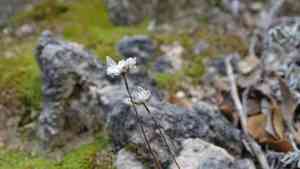
This compact perennial, recognized for its vivid floral groupings, benefits from the removal of spent blossoms to foster continued flowering. For peak sea thrift care, consistently snip off faded blooms. During the initial weeks of spring, cut back the leaves to stimulate robust new development. Gentle trimming in the summer months helps preserve its form and boosts its vitality. Refrain from pruning in autumn to safeguard the plant through the colder season. Pruning improves flower production and prevents the central part of dense clusters from dying, ensuring sea thrift stays neat and appealing.
What Are the Benefits of Pruning Sea Thrift?
What Are the Benefits of Pruning Sea Thrift?
Trimming sea thrift promotes abundant flowering and strong development by directing energy to thriving sections. It helps maintain a compact shape, crucial for this plant's cushion-like appearance. Seasonal trimming supports health and aesthetic value.
What Is the Best Time for Pruning Sea Thrift?
What Is the Best Time for Pruning Sea Thrift?
Late Spring and Early Summer are optimal for trimming sea thrift, coinciding with its active growth phase after blooming. Pruning at this time encourages denser growth and helps preserve a compact, cushion-like form. It allows sea thrift to recover quickly, ensuring better health and vitality. Avoid pruning in Fall to prevent stimulating tender growth susceptible to Winter cold.
What Tools Do I Need to Prune Sea Thrift?
Bypass Pruners
Sea thrift has grass-like foliage and a dense, mounded habit. Bypass pruners create clean cuts and are perfect for trimming flower stalks and any dead or diseased leaves without harming the plant.
Snips
For precise thinning or deadheading of sea thrift's small blossoms, snips offer the necessary accuracy without causing undue damage to surrounding flowers.
Shears
Sea thrift can benefit from shearing after blooming to maintain its compact form and encourage a neat look. Shears are ideal for uniformly cutting back larger areas.
Gloves
When handling sea thrift, gloves can shield your hands from its sometimes wiry foliage, especially when removing spent flowers or shaping the plant.
How to Prune Sea Thrift
Cleaning tools
Sanitize pruning tools with rubbing alcohol or a bleach solution to prevent the spread of plant diseases.
Remove diseased leaves
Carefully cut away any leaves showing signs of illness from sea thrift, ensuring complete removal to prevent further contamination.
Trim withered leaves
Snip off dried leaves from sea thrift at their base, without harming the healthy parts of the plant to encourage new growth.
Deadhead withered flowers
Remove spent flower stems of sea thrift by cleanly cutting them near the base of the flowering stalk to promote more blooms.
Dispose trimmed parts
Discard all removed diseased leaves, withered leaves, and dead flower heads in the trash or compost if not infected, to keep the area tidy and deter pests.
Common Pruning Mistakes with Sea Thrift
Over-pruning
Cutting back too much can stress sea thrift, leading to reduced vigor and potentially harming its natural cushion-like growth.
Using dull tools
Dull pruning shears can damage sea thrift's stems, leaving ragged cuts that may invite disease.
Improper cut location
Incorrectly cutting into old wood or too far from the base can hinder new growth and may not encourage the dense, tidy form desired.
Removing too little
Failing to remove enough of the spent flowers can lead to a lack of new bloom production, as sea thrift may focus its energy on seed development rather than flowering.
Pruning into bare zones
Cutting into the non-leaf-bearing stems can leave unsightly gaps and prevent sea thrift from maintaining its compact shape.
Common Pruning Tips for Sea Thrift
Sanitization
Always use clean, sharp tools to make precise cuts on sea thrift, reducing the risk of infection and ensuring quick healing.
Post-blooming trim
Trimming faded flowers promptly encourages sea thrift to produce a new flush of blooms and helps maintain its attractive mound shape.
Moderation
Prune sparingly, focusing on removing just the dead or faded flowers and any damaged foliage to keep sea thrift healthy without overdoing it.
Maintenance pruning
Regularly check sea thrift for spent blooms and lightly prune to stimulate continuous flowering and prevent self-sowing if not desired.
Natural shape preservation
When pruning sea thrift, aim to maintain its natural dome-like form for aesthetic appeal and plant health.



