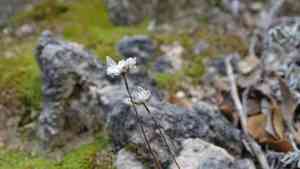
Sea thrift (Armeria girardii)
Also known as: Pink Thrift
Sea thrift, also known as Armeria maritima, is a low-growing perennial evergreen commonly found in sandy and limestone-rich areas. It is often cultivated for decorative purposes or as ground cover. Gardeners appreciate its charming, pompom-like flowers that bloom in the summer and can also be used in floral arrangements.
In This Article
Attributes of Sea thrift
Lifespan
Perennial
Plant Type
Herb
Plant Height
5-20 cm
Spread
10-25 cm
Leaf Color
Green
Flower Size
1-2 cm
Flower Color
Red Purple Pink
Images of Sea thrift
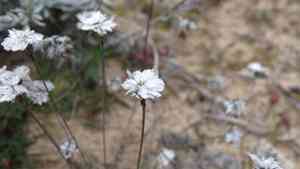
Quickly Identify Sea thrift
1
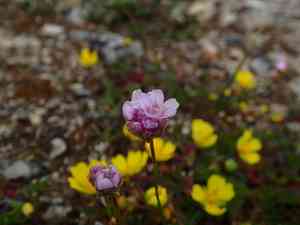
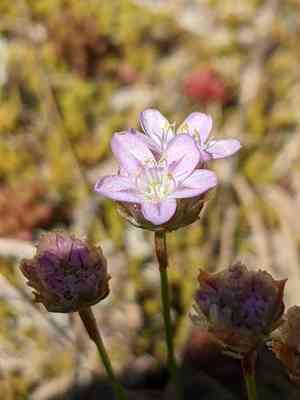
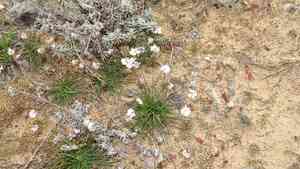
This plant can be identified by its dense tufts of narrow, grass-like leaves and its small, rounded clusters of pink flowers held on slender stems.
Scientific Classification of Sea thrift
Phylum
Vascular plants
Class
Dicotyledons
Order
Caryophyllales
Family
Leadwort
Genus
Thrifts
Species
Sea thrift
Planting and Growing of Sea thrift
Care Difficulty
Easy
Watering Schedule
Every 4 days
Sunlight Requirements
Full sun
Sunshine Duration
6-10 hours
Ideal Temperature
60-75℉
Soil Type
Potting Mix, Peat Mix
Soil pH
6.5-7.5
Fertilizer Type
Balanced
Pruning Season
Spring, Summer
Pruning Area
Branches, Leaves
Pruning Frequency
2 times a year
Repotting Season
Spring
Pot Type
Plastic, Ceramic
 How to Water Sea thrift?
Armeria girardii prefers a moderate watering routine. Water them with about 200 milliliters each time, ensuring the soil is thoroughly moistened but not waterlogged. It's essential to let the soil surface dry out between waterings to avoid root rot.
What are the symptoms of an underwatered Sea thrift?
›
What should I do if my Sea thrift is not getting enough water?
›
What are the symptoms of an overwatered Sea thrift?
›
How to save an overwatered Sea thrift?
›
 What Are the Sunlight Requirements for Sea thrift?
The ideal light range for Armeria girardii is full sun, with benefits like increased flowering and overall plant vigor. This range ensures optimal photosynthesis and nutrient synthesis.
What is the ideal light condition for Armeria girardii?
›
How to achieve ideal lighting for Armeria girardii?
›
What are the benefits of ideal light for Armeria girardii?
›
 What Is the Ideal Temperature Range for Sea thrift?
The ideal temperature range for Armeria girardii is between 60°F and 75°F. This range ensures optimal growth and development for the plant, promoting strong foliage and blooming. Within this temperature window, the plant can efficiently undergo photosynthesis and other metabolic processes, allowing it to thrive in its environment.
 What Soil is Best for Sea thrift?
Armeria girardii thrives in well-drained soils as it prevents waterlogging, which can lead to root rot. Providing excellent drainage ensures healthy root development and promotes lush growth. This plant benefits from soil enriched with organic matter. It provides the necessary nutrients for strong growth and enhances the ornamental value of its foliage and flowers. An aerated soil structure promotes healthy root respiration. By having looser soil particles, the plant's roots have ample access to oxygen, leading to robust health and vibrant blooming.
 How to Fertilize Sea thrift?
For Armeria girardii, the recommended fertilizer amount is modest. When using liquid fertilizer, dilute it to half the strength suggested for typical flowering plants to prevent root burn. For slow-release granules, a light sprinkling around the base of the plant is sufficient, ensuring that the soil receives equal distribution without clumping.
 How to Prune Sea thrift?
Start by examining the plant closely to identify any dead, yellowing, or diseased leaves. These should be removed first to prevent any spread of diseases and to clean up the plant's appearance. After the blooming period, cut back flower stems to the base. This encourages new growth and potentially more blooms in the following season. Gently shape the plant by trimming uneven edges and protruding stems. This helps maintain a pleasing, dome-like contour which is characteristic of Armeria girardii.
More About Pruning Techniques→
 How to Propagate Sea thrift plant?
1
Collect seeds from mature Armeria girardii flowers once they dry out. Clean the seeds to remove any husks or debris before sowing them. Use a light starting mix to sow the seeds in seed trays.
2
In early spring, select a mature Armeria girardii plant for division. Use a garden trowel to carefully dig around the base, gently separating the clumps. Ensure each division has healthy roots and foliage for replanting.
3
Once the seed tray is ready, sprinkle the Armeria girardii seeds evenly over the surface. Lightly cover the seeds with more starting mix and water gently to ensure good contact without washing away the seeds.
 How to Repot Sea thrift plant?
1
Armeria girardii should be repotted when its roots outgrow the pot, indicating insufficient space, or when water drainage becomes noticeably slower due to compacted soil. These signs typically appear every couple of years.
2
Select a pot with drainage holes to prevent waterlogging, ideally one size larger than the current pot. Terracotta pots are excellent as they allow soil to breathe, reducing the chance of root rot and providing stability to the plant.
3
Opt for a well-draining sandy soil mixture, which mimics the plant's natural habitat. This type of soil prevents water retention, reducing the risk of root diseases and ensuring the plant thrives in its new environment.



