How to Propagate Sea thrift?
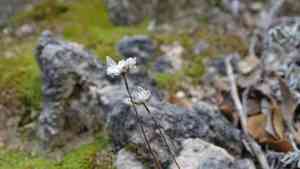
Armeria maritima flourishes when multiplied by division, a technique perfectly aligned with its natural development. This process entails gently splitting the root ball into smaller units, making sure every new piece possesses a segment of the root structure. This facilitates successful rooting and contributes to the overall well-being and strength of Armeria maritima, encouraging vigorous expansion in fresh environments without requiring seed chilling.
Optimal Time for Sea Thrift Propagation
Propagation Method
Division
Propagation Period
Spring,Autumn
Tools for Sea Thrift Propagation
Sharp Knife or Secateurs
A high-quality, sharp knife or secateurs are essential for making clean cuts through the root mass of sea thrift during division, its primary propagation method. Clean cuts minimize plant tissue damage, promoting faster recovery and reducing disease risk. A tool with a comfortable grip and durable stainless steel blade ensures precise cuts and ease of use.
Garden Fork or Spade
A garden fork or spade is used to gently lift sea thrift from the soil, preventing excessive root damage. This tool should first loosen the soil around sea thrift, facilitating easier and safer extraction of the plant. Its design is particularly effective for lifting sea thrift intact, ensuring a substantial root ball is retained, crucial for successful re-establishment after division.
Rooting Hormone Powder or Gel
Applying a rooting hormone after dividing sea thrift can significantly boost root development in new plants. Rooting hormones increase successful rooting and strengthen initial growth by stimulating root cell development. This is especially beneficial for sea thrift, as robust rooting is vital for establishing divided plants in new environments.
Watering Can with a Fine Rose
After dividing and replanting sea thrift, consistent, gentle watering is necessary for establishment. A watering can with a fine rose attachment ensures light, even water distribution, preventing soil compaction around new plantings and minimizing disturbance to delicate new roots. Proper hydration is crucial during the first few weeks post-division for healthy growth.
Label and Permanent Marker
Labeling each newly propagated sea thrift plant immediately after division and replanting is important for tracking growth. A durable permanent marker ensures the label withstands weather. This is especially critical if variations exist within the propagation to monitor performance or specific characteristics influenced by the division method or individual plant responses.
How to Propagate Sea Thrift?
Propagation Type
Easy
Caring for Newly Propagated Sea Thrift
Caring for Newly Propagated Sea Thrift
After propagation, ensure sea thrift is regularly watered to help establish new divisions. The soil should remain moist but not waterlogged. Place plants in full sun to partial shade for ample light. Minimal feeding is needed; a light application of balanced fertilizer may be beneficial at the start of the growing season. As sea thrift adapts to coastal conditions, it tolerates wind and salt well, making it low maintenance in suitable environments.
Common Mistakes in Sea Thrift Propagation
Overwatering
Excessive watering of sea thrift can lead to root rot, which is harmful as this species thrives in well-drained conditions. Overwatering deprives roots of oxygen, hindering their function and making the plant susceptible to fungal infections.
Excessive Fertilization
Applying too much fertilizer can cause salt buildup in the soil, potentially 'burning' the root system of sea thrift, leading to poor growth and reduced propagation success.
Inadequate Light
Failing to provide sea thrift with full sun exposure can result in leggy, weak growth. This species requires ample sunlight to develop robust foliage and support successful propagation.
Ignoring Soil Type
Using a soil type that retains too much moisture or is too dense can impede the root development of sea thrift, affecting its overall health and propagation capabilities.
Tips for Propagating Sea Thrift
Soil Preparation
Using a well-draining soil mix is vital for successful sea thrift propagation. Incorporate sand or gravel into the soil to improve drainage and mimic its natural gritty habitat.
Division Technique
Propagate sea thrift by division during its active growth phase. Carefully separate root clumps to avoid excessive damage, ensuring each new plant has a portion of the root system.
Moderate Watering
Water sea thrift moderately after planting to establish roots without causing waterlogging. Ensure the soil is moist but not saturated, allowing for proper root aeration.
Appropriate Sunlight
Place sea thrift in a location where it receives full sunlight for most of the day. This ensures vigorous growth and optimal health necessary for successful propagation.



