How to Prune Pale mexican pricklypoppy?
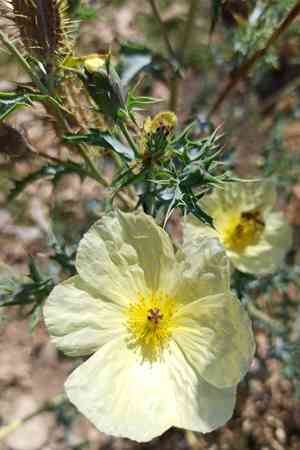
For Argemone platyceras, a resilient perennial characterized by its prominent spiky stalks and vibrant yellow blossoms, strategic trimming improves development and floral output. In spring, cut away any lifeless or compromised stems to foster vigorous summer expansion. Throughout the summer, remove faded flowers to stimulate additional blooming. As autumn arrives, clear away aged foliage to preserve the plant's well-being. Always employ sanitized, sharp implements to avert illness and don gloves for defense against the thorns. Pruning not only sculpts Argemone platyceras but also curtails prolific self-propagation.
What Are the Benefits of Pruning Pale Mexican Pricklypoppy?
What Are the Benefits of Pruning Pale Mexican Pricklypoppy?
Trimming pale mexican pricklypoppy encourages robust development and helps maintain its desired form, ensuring healthy growth and preventing excessive size that can diminish plant vitality.
What Is the Best Time for Pruning Pale Mexican Pricklypoppy?
What Is the Best Time for Pruning Pale Mexican Pricklypoppy?
Pruning or trimming pale mexican pricklypoppy is best done in spring after the last frost, to promote vigorous new growth and shape the plant. During early summer, pruning can help maintain its desired form and keep pale mexican pricklypoppy manageable as it grows quickly. Additionally, any dead or diseased parts should be removed to enhance the plantâs health. Fall is suitable for a more thorough pruning to prepare pale mexican pricklypoppy for winter by removing old growth that might harbor pests or diseases during dormancy. It is crucial to avoid pruning in late summer or early fall because new growth might be too delicate to survive winter. These seasons align with pale mexican pricklypoppy's growth cycle, which typically includes winter dormancy followed by strong growth in warmer months, culminating in flowering. Following this cycle, pruning at optimal times will boost the plant's blooming capacity, prevent overgrowth, and sustain its vigor.
What Tools Do I Need to Prune Pale Mexican Pricklypoppy?
Heavy Duty Pruning Gloves
Given pale mexican pricklypoppy's spiny stems and leaves, it is essential to shield hands from punctures. Robust gloves made from materials like leather offer adequate protection.
Bypass Pruners
For making clean cuts on pale mexican pricklypoppy's stems, bypass pruners are ideal. Their scissor-like action allows precise cutting without crushing plant tissues, which is crucial for encouraging healthy regrowth.
Long-Handled Loppers
If pale mexican pricklypoppy has matured and developed thicker stems, long-handled loppers will provide the necessary leverage for heavier cuts while also maintaining a safe distance from the spines.
Pruning Saw
In cases where pale mexican pricklypoppy has exceptionally thick stems, a pruning saw may be required. It enables the gardener to cut through woodier sections of the plant with precision.
Garden Shears
For trimming and shaping the thinner, softer parts of pale mexican pricklypoppy, garden shears can quickly snip through the material without needing the precision of bypass pruners.
How to Prune Pale Mexican Pricklypoppy
Safety
Wear protective gloves and use sharp, sanitized pruning shears to prevent injury from pale mexican pricklypoppy's thorns and to avoid spreading disease.
Identify
Examine pale mexican pricklypoppy to locate withered leaves and any branches that are dead, damaged, or diseased.
Cut
Trim off the withered leaves at their base where they meet the stem or branch, making clean cuts to prevent damage to the healthy parts of pale mexican pricklypoppy.
Dispose
Carefully collect and discard the withered leaves and any other pruned material to prevent disease and pests from affecting pale mexican pricklypoppy.
Check
After trimming, inspect pale mexican pricklypoppy to ensure no diseased or damaged tissue remains, promoting healthy growth and airflow.
Common Pruning Mistakes with Pale Mexican Pricklypoppy
Overzealous Pruning
A common error is removing too much foliage from pale mexican pricklypoppy, which can stress the plant and reduce its vigor. It's vital to prune moderately to maintain the plant's natural shape and health.
Improper Tool Use
Using dull or dirty pruning tools can harm pale mexican pricklypoppy's stems, leading to frayed cuts that are more prone to infection. Always use clean, sharp tools for precise cuts.
Cutting Too Close
Cutting too near the main stem or a leaf node can damage pale mexican pricklypoppy. Leaving a small portion of stem will encourage faster healing of the cut.
Ignoring Dead or Diseased Limbs
Failing to remove dead or diseased limbs can allow problems to spread throughout pale mexican pricklypoppy, rather than promoting the growth of healthy tissue.
Pruning Without a Plan
Random or unplanned pruning can result in a misshapen plant or reduced flowering. Gardeners should identify the stems to prune beforehand.
Common Pruning Tips for Pale Mexican Pricklypoppy
Selective Pruning
Pale mexican pricklypoppy benefits from the selective removal of older stems to encourage new growth. Focus on cutting back stems that have already bloomed.
Sterilization
To prevent disease spread, sterilizing pruning tools before and after use is essential. Clean cuts will promote better healing for pale mexican pricklypoppy.
Angle Cuts
Make angled cuts to prevent water accumulation on cut surfaces, which could lead to rot or disease in pale mexican pricklypoppy.
Protective Gear
Given the prickly nature of pale mexican pricklypoppy, wearing gloves and long sleeves will protect the skin from thorns during pruning activities.
Observation
Regularly observing pale mexican pricklypoppy will help gardeners identify the specific stems that require pruning and address them before they become problematic.



