How to Prune Harelock?
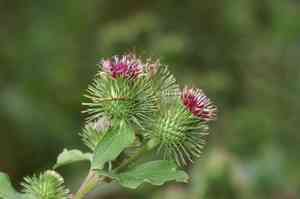
Distinguished by its vigorous development, harelock thrives with trimming to preserve its form and stimulate lush leaves. Cut back in late spring subsequent to blooming to foster fresh growth and inhibit self-propagation. Throughout the summer, remove faded blossoms and eliminate any frail or compromised stalks. Consistent pruning guarantees vitality and stops harelock from spreading aggressively. Precise cuts directly above nascent leaf nodes enhance air circulation, boosting the plant's hardiness.
Advantages of Trimming Harelock
Advantages of Trimming Harelock
Trimming harelock promotes robust development and assists in maintaining its desired form. Strategic cuts can rejuvenate harelock, fostering a strong and visually appealing shape while ensuring the plant remains healthy and manageable.
Optimal Time for Trimming Harelock
Optimal Time for Trimming Harelock
The period from late spring to early summer is ideal for trimming harelock, as this coincides with the post-flowering stage, enabling gardeners to shape the plant and remove faded blooms without disrupting its natural growth cycle. Trimming at this time encourages healthy new growth and prepares harelock for vigorous development in the subsequent season. Moreover, the risk of frost has passed, minimizing stress on the plant, and the weather is generally favorable for wound healing. Avoiding fall or winter trimming is crucial, as fresh cuts could expose harelock to cold damage and hinder spring growth.
Necessary Tools for Trimming Harelock
Bypass Pruners
These are perfect for making clean and precise cuts on harelock's softer stems and foliage without causing unnecessary harm to the plant.
Gloves
Wearing gloves is vital to shield hands from harelock's potentially irritating hairs during the trimming process.
Loppers
For larger stems that bypass pruners cannot manage, loppers will provide the leverage needed to make clean cuts without straining the gardener's hands.
Pruning Saw
If harelock has mature stems too thick for loppers, a pruning saw is essential for efficiently cutting woody growth.
Garden Shears
These are useful for uniformly trimming and shaping harelock's foliage, especially if it's used as a hedge or for aesthetic purposes.
How to Trim Harelock
Sterilize
Ensure all trimming tools are sterilized before cutting harelock to prevent the spread of diseases.
Diseased Leaves
Carefully inspect harelock and remove any diseased leaves by cutting them at their base where they meet the stem, avoiding contact with healthy parts.
Withered Leaves
Trim away harelock's withered leaves to encourage healthier growth. Make clean cuts close to the stem without harming new buds or growth.
Diseased Stems
Identify and cut back harelock's diseased stems to healthy tissue, ensuring cuts are made at a 45-degree angle to facilitate water runoff and prevent rot.
Cleanup
Properly dispose of all removed harelock material by burning or discarding it far from the garden to prevent reinfection or pest attraction.
Common Trimming Errors with Harelock
Excessive trimming
Removing too much foliage at once can stress harelock, impeding its ability to photosynthesize and grow properly.
Incorrect cuts
Improper cutting technique can cause unnecessary injury to harelock. It's important to cut just above a leaf node or bud to promote healthy regrowth.
Neglecting tool hygiene
Using dirty trimming tools can introduce pathogens to harelock, increasing the risk of disease.
Ignoring plant structure
Failing to consider harelock's natural growth habit results in unbalanced trimming and can affect its overall shape and health.
Trimming too early
Cutting back harelock before it has stored enough energy for regrowth may weaken the plant.
General Trimming Advice for Harelock
Sharp tools
Use sanitized, sharp trimming shears to make clean cuts on harelock, which helps prevent damage and disease.
Judicious thinning
Selectively thin out crowded areas to improve air circulation and light penetration for harelock, encouraging robust growth.
Deadhead spent blooms
Removing spent blooms promotes further flowering and prevents harelock from expending resources on seed production.
Maintain plant shape
Trim harelock to maintain its natural form, enhancing its aesthetic appeal and supporting its structural integrity.
Cut at an angle
Making angled cuts just above buds directs harelock's growth and allows water to run off the cut surface, reducing decay risks.



