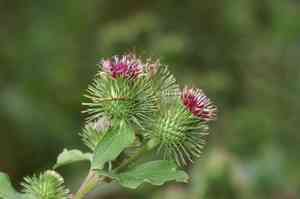
Harelock (Arctium nemorosum)
Also known as: Northern burdock
Burdock, sometimes called harelock, is a plant found globally. Its edible roots are used in various foods, soft drinks, and teas. The hooked spines of burdock burrs are said to have inspired the creation of Velcro.
In This Article
Attributes of Harelock
Lifespan
Biennial
Plant Type
Herb
Plant Height
1 m to 2.5 m
Spread
Approximately 1 meter
Leaf Color
Green
Flower Size
2.5 cm to 4.5 cm
Flower Color
Purple Brown
Images of Harelock
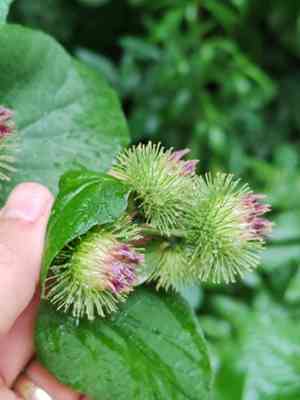
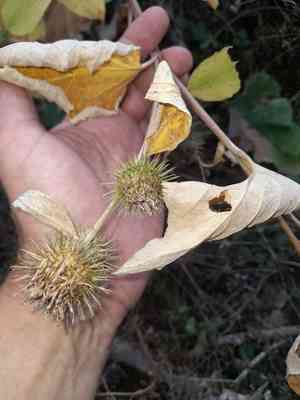
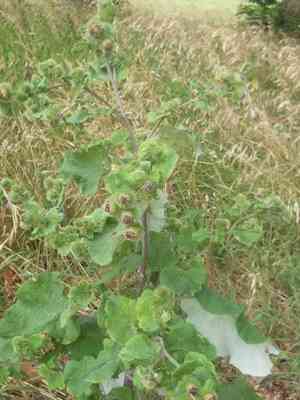
Quickly Identify Harelock
1
Identify Arctium nemorosum by its large, heart-shaped leaves, purple flower heads, and spiny burrs that cling to clothing and fur. The plant usually grows in habitats such as woodlands, forest edges, and riverbanks.
Scientific Classification of Harelock
Phylum
Vascular plants
Class
Dicotyledons
Order
Asterales
Family
Daisy
Genus
Burdock
Species
Harelock
Planting and Growing of Harelock
Care Difficulty
Easy
Watering Schedule
Every 2 days
Sunlight Requirements
Partial sun
Sunshine Duration
4-6 hours
Ideal Temperature
60-75℉
Soil Type
Potting Mix, Peat Mix
Soil pH
6.5-7.5
Fertilizer Type
Balanced
Pruning Season
Spring, Summer
Pruning Area
Branches, Leaves
Pruning Frequency
2 times a year
Repotting Season
Spring
Pot Type
Plastic, Terracotta
 How to Water Harelock?
For Arctium nemorosum, ensure that you water the soil thoroughly until it feels evenly moist, but not waterlogged. Use approximately 500 ml of water per session, allowing the water to penetrate the soil deeply, to mimic its natural habitat conditions which are slightly damp but well-draining.
What are the symptoms of an underwatered Harelock?
›
What should I do if my Harelock is not getting enough water?
›
What are the symptoms of an overwatered Harelock?
›
How to save an overwatered Harelock?
›
 What Are the Sunlight Requirements for Harelock?
Partial shade is the ideal for Arctium nemorosum as it balances the need for photosynthesis while protecting from harsh direct rays. Benefits include optimal energy conversion, vigorous growth, and minimal stress for the plant.
What is the best lighting condition for Arctium nemorosum?
›
How can I achieve ideal lighting for Arctium nemorosum?
›
What benefits does Arctium nemorosum get from ideal lighting?
›
 What Is the Ideal Temperature Range for Harelock?
For optimal growth, Arctium nemorosum prefers temperatures between 60°F and 75°F. This range supports photosynthesis and other critical biological processes necessary for healthy plant development.
 What Soil is Best for Harelock?
Arctium nemorosum thrives in soil rich in nutrients. A well-fertilized substrate will provide the plant with essential minerals necessary for vigorous growth and flowering, ensuring it develops robust and healthy foliage. Ensuring good drainage is pivotal for Arctium nemorosum, as waterlogged conditions could lead to root rot. A substrate facilitating effective water drainage helps maintain an optimal moisture level, vital for healthy root development. This plant prefers soil that retains moderate moisture without becoming overly wet. This fine balance ensures the roots stay hydrated but not saturated, promoting consistent growth and avoiding stress or wilting.
 How to Fertilize Harelock?
Arctium nemorosum is moderately demanding when it comes to fertilization. Apply a balanced liquid fertilizer every two weeks at half the recommended strength during the growing season to support its lush foliage and robust growth.
 How to Prune Harelock?
For effective pruning of Arctium nemorosum, use sharp, clean pruning shears or scissors. These tools will ensure clean cuts, reducing the risk of disease entering the plant. Always sanitize the tools before use to prevent spreading infections. Start by examining the plant's structure and identifying any large, overgrown stems. Cut these stems at a 45-degree angle just above a leaf node. By doing this, you encourage new growth in the desired direction, leading to a more pleasing plant shape.
More About Pruning Techniques→
 How to Propagate Harelock plant?
1
Choose healthy, mature seeds from a reliable source. Check for uniform shape and size to ensure high germination rates.
2
Sow the seeds in seed trays filled with high-quality potting soil. Lightly cover the seeds with a thin layer of soil and gently water them to keep the soil moist.
3
Place the seed trays in a warm, well-lit area. Ensure consistent temperature and humidity to facilitate germination, which usually takes 7-14 days for this species.
 How to Repot Harelock plant?
1
Arctium nemorosum typically signals its need for repotting when it shows signs of root crowding, such as roots growing out of the drainage holes, slowed growth, or yellowed leaves. The best time to repot is early in the growing season, either in spring or autumn, providing the plant enough time to adapt to the new environment.
2
Select a pot that is slightly larger than the current one, ideally 1-2 inches in diameter larger. Ensure that the pot has adequate drainage holes to prevent waterlogging. A breathable pot material, like terracotta, can be advantageous as it allows excess moisture to evaporate, improving root health.
3
A well-draining potting mix with a balance of organic material, such as peat moss, and aerating components like perlite, is ideal. This ensures that the roots receive adequate moisture without becoming waterlogged, promoting healthier growth and reducing the risk of root rot.



