How to Prune Cape-pondweed?
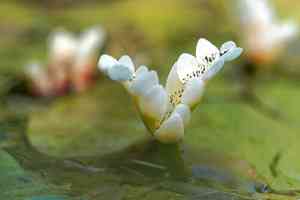
Originating from South African aquatic environments, Aponogeton distachyos is a rhizomatous perennial water plant recognized for its buoyant, cordate foliage and fragrant, white blossoms. To preserve its vitality and aesthetic, trim away withered or discolored leaves and faded flower stalks. The most opportune period for trimming is throughout its active growth phases in spring, summer, and early autumn. Consistent trimming encourages strong development and averts excessive density, leading to abundant blooms and inhibiting decomposition within the water.
What Are the Benefits of Pruning Cape-pondweed?
What Are the Benefits of Pruning Cape-pondweed?
Trimming cape-pondweed promotes abundant flowering, stimulates vigorous development, and maintains its desired form. Regular trimming ensures cape-pondweed remains an attractive element in aquatic gardens while enhancing its overall health and vigor.
What Is the Best Time for Pruning Cape-pondweed?
What Is the Best Time for Pruning Cape-pondweed?
Pruning in Spring coincides with the renewed growth after cape-pondweed's winter dormancy, ensuring a strong response and healthier foliage. Early Summer is ideal for trimming, as it allows for the removal of spent blooms, encouraging further flowering and preventing the plant from expending energy on seed production. Fall pruning is beneficial for reshaping and preparing cape-pondweed for the upcoming dormant period, removing any dead or diseased leaves and reducing the plant's burden during colder months. These timings avoid the main blooming phase and post-flowering recovery, thereby sustaining the plantâs health and visual appeal.
What Tools Do I Need to Prune Cape-pondweed?
Aquatic Plant Scissors
For trimming cape-pondweed foliage, aquatic plant scissors are perfect due to their long handles, enabling gardeners to reach into ponds without excessive water disturbance.
Hand Pruners
Hand pruners are suitable for cutting any thick stems or roots when dividing cape-pondweed, as they can make clean cuts without harming the plant.
Rake
A long-handled rake can be useful for gently removing any dead material from cape-pondweed without entering the pond, thus preserving the water feature's aesthetic while ensuring the plant's well-being.
How to Prune Cape-pondweed
Disinfect tools
Before beginning the pruning process for cape-pondweed, ensure all cutting tools are clean and disinfected to prevent disease spread.
Trim diseased leaves
Carefully identify and remove any diseased leaves from cape-pondweed. Make cuts at the base of the leaf stem, being careful not to damage nearby healthy tissue.
Remove withered leaves
Prune any withered leaves from cape-pondweed using the same method as for diseased leaves, cutting close to the base to maintain a tidy appearance and encourage healthy growth.
Trim withered flowers
Locate withered flowers on cape-pondweed and snip them off just above the water level where the flower stem meets foliage or a main stem to encourage new blooms.
Clean up
After pruning, remove all cuttings from the water to prevent decay and potential water quality issues in the pond where cape-pondweed is located.
Common Pruning Mistakes with Cape-pondweed
Overpruning
Cutting back too much of cape-pondweed can stress the plant and impede its natural growth and flowering cycles.
Improper cut location
Not cutting at the correct spot, such as too far from a bud or node, which can lead to unattractive growth or damage to cape-pondweed.
Using dull tools
Utilizing dull or dirty pruning tools can harm the stems of cape-pondweed and introduce disease.
Pruning for shape only
Focusing solely on shaping cape-pondweed without considering the health benefits of removing dead or diseased foliage, which is equally important.
Neglecting plant structure
Ignoring the natural structure of cape-pondweed during pruning can result in an unbalanced plant that does not thrive as expected.
Excessive cleanup
Removing too much detritus around cape-pondweed could inadvertently eliminate beneficial organisms that support its health.
Common Pruning Tips for Cape-pondweed
Sharp and clean tools
Always use sharp and sterilized pruning tools to make clean cuts that heal quickly, minimizing stress and disease risk for cape-pondweed.
Cut to a bud
Prune stems of cape-pondweed back to just above a bud or node, angling the cut away to prevent water from collecting and causing rot.
Remove dead material
Regularly remove dead or yellowing leaves and spent flowers to encourage new growth and to maintain the vitality of cape-pondweed.
Understand growth patterns
Learn how cape-pondweed grows to recognize which areas may become too dense and require thinning for better light and air circulation.
Moderate pruning
Aim for moderate pruning, understanding that cape-pondweed benefits from some trimming to promote growth, but can be set back by too much loss at once.
Attention to health
While pruning cape-pondweed, inspect for signs of pest infestation or disease, and take immediate action if any issues are noticed.



