How to Propagate Cape-pondweed?
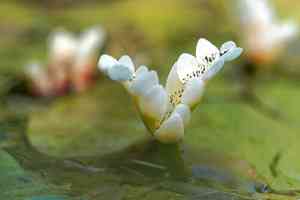
A successful method for propagating Aponogeton distachyos involves seeding. Initially, gather recently matured seeds directly from established specimens, as these tend to have superior sprouting potential. Plant these seeds in a fertile aquatic substrate, ensuring the water depth remains shallow to facilitate early development. Young plants typically emerge within several weeks when conditions are favorable. Relocate them to their permanent water environment once they have formed a strong root network, taking care to avoid excessive disruption to safeguard their fragile components.
Optimal Time for Cape-pondweed Propagation
Propagation Type
Sowing
Propagation Season
Spring
Tools for Cape-pondweed Propagation
Aquatic planting baskets
Provide a stable structure to support cape-pondweed as it establishes in a water garden or pond. Their mesh design allows roots direct water access while preventing plant drift. These are especially useful for managing cape-pondweed's growth and placement in aquatic settings.
High-quality aquatic plant soil
Crucial for nutrient delivery, this soil promotes strong root development and health during cape-pondweed propagation. Its specific makeup helps anchor the plant securely and efficiently retains nutrients, vital for aquatic plant growth like cape-pondweed.
Submersible plant fertilizer tabs
Designed for direct application to aquatic plant root zones, these tabs offer a controlled release of essential nutrients for vigorous cape-pondweed growth during and after propagation. They ensure a consistent and adequate nutrient supply in water environments.
Fine mesh netting
Acts as a protective barrier for young cape-pondweed, shielding it from fish and other natural disturbances in a pond. This tool helps maintain the integrity and position of newly propagated plants, ensuring undisturbed establishment and growth.
Sharp, clean scissors
Needed for trimming and preparing cape-pondweed sections for propagation. Precise, clean cuts are essential to prevent disease and stimulate healthy new growth. Scissors must be kept clean and sharp to minimize damage to plant tissues.
How to Propagate Cape-pondweed?
Propagation Type
Easy
Caring for Your Newly Propagated Cape-pondweed
How to Care for Your Newly Propagated Cape-pondweed?
Post-propagation, keep cape-pondweed in a pond or large aquatic container with regulated sunlight. Maintain clean, well-oxygenated water, regularly managing algae and removing debris. Fertilize monthly with a balanced aquatic plant fertilizer to encourage robust growth and blooming. Monitor water temperatures and ensure a stable environment to prevent plant stress.
Common Propagation Mistakes for Cape-pondweed
Inadequate water conditions
When propagating cape-pondweed, it's vital to ensure water conditions mimic its natural habitat. A frequent error is failing to maintain consistently clean and sufficiently deep water. This can stress cape-pondweed, hindering growth and potentially causing disease due to poor environmental conditions.
Overcrowding plants
Planting cape-pondweed too closely together can severely impede its development. Overcrowding restricts access to nutrients and light, and also promotes disease spread. This can lead to stunted growth and poor propagation outcomes.
Using dense soil
Employing overly compacted or heavy soil for potting can obstruct proper water circulation and root expansion for cape-pondweed. This is detrimental as the species thrives in loose, well-aerated substrates that facilitate easy water flow.
Tips For Propagating Cape-pondweed
Use tubers or rhizomes
For successful cape-pondweed propagation, utilizing sections of tubers or rhizomes ensures a higher success rate. Confirm each piece has at least one growth point and is disease-free to foster healthy new plants.
Optimal water depth
Maintaining the correct water depth is crucial for cape-pondweed. Shallow water may not support necessary buoyancy and nutrient uptake; sufficiently deep water allows leaves to float freely to the surface, which is vital for growth and photosynthesis.
Frequent water changes
Regularly replacing the water used for cape-pondweed propagation can prevent the accumulation of harmful pathogens and algae. This fosters a healthier growing environment, reducing disease risk and enhancing growth.



