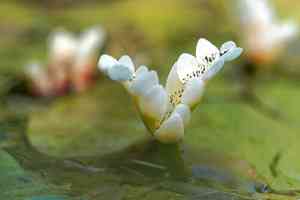
Cape-pondweed (Aponogeton distachyos)
Also known as: Water hawthorn
Aponogeton distachyos, known as Cape pondweed or water hawthorn, is a flowering aquatic plant native to freshwater habitats in South Africa. It has also been introduced to various regions globally. This plant is often cultivated for its edible flowers and buds as well as for ornamental purposes in ponds.
In This Article
Attributes of Cape-pondweed
Lifespan
Perennial, Annual
Plant Type
Herb
Plant Height
7 cm to 10 cm
Spread
1.2 m
Leaf Color
Green
Flower Size
2.5 cm
Flower Color
White
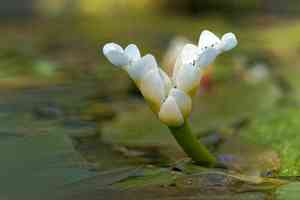
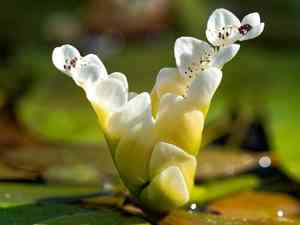
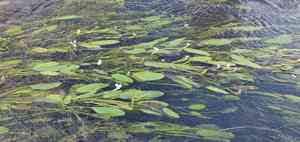
Images of Cape-pondweed
Quickly Identify Cape-pondweed
1
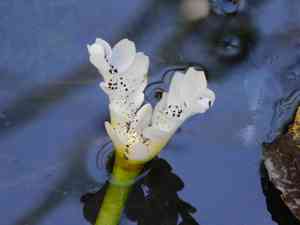
Look for long, lance-shaped leaves that float on the water\'s surface and slender, white flower spikes with a distinctive scent. The flowers typically have two spikes per stem.
Scientific Classification of Cape-pondweed
Phylum
Vascular plants
Class
Monocotyledons
Order
Alismatales
Family
Cape pondweed
Genus
Aponogeton
Species
Cape-pondweed
Planting and Growing of Cape-pondweed
Care Difficulty
Easy
Watering Schedule
Every 3 days
Sunlight Requirements
Partial sun
Sunshine Duration
4-8 hours
Ideal Temperature
68-77℉
Soil Type
Potting Mix, Peat Mix
Soil pH
6.5-7.5
Fertilizer Type
Balanced
Pruning Season
Spring, Summer
Pruning Area
Branches, Leaves
Pruning Frequency
2 times a year
Repotting Season
Spring
Pot Type
Plastic, Ceramic
 How to Water Cape-pondweed?
When watering Aponogeton distachyos, ensure that the soil remains moist but not waterlogged. Typically, around 500 ml of water per session should suffice. The goal is to have a consistent level of humidity in the soil, enough to keep the roots hydrated without drowning them. Ensure the water penetrates deeply to reach the roots, but also allow excess to drain away to prevent waterlogging.
What are the symptoms of an underwatered Cape-pondweed?
›
What should I do if my Cape-pondweed is not getting enough water?
›
What are the symptoms of an overwatered Cape-pondweed?
›
How to save an overwatered Cape-pondweed?
›
 What Are the Sunlight Requirements for Cape-pondweed?
For ideal growth, expose it to partial sun, allowing the plant to receive the gentle morning or late afternoon sun while avoiding the harsh midday light, which enhances health and flowering.
More About Sunlight Requirements Techniques→
How much light is ideal for Aponogeton distachyos?
›
What solutions can provide ideal lighting?
›
What are the benefits of the ideal lighting?
›
 What Is the Ideal Temperature Range for Cape-pondweed?
Aponogeton distachyos thrives best within an ideal temperature range of 68°F to 77°F. This range supports healthy growth and blooming, ensuring the plant maintains its robustness. Consistent temperatures within this interval provide optimal conditions for photosynthesis and nutrient uptake, facilitating vigorous plant health.
 What Soil is Best for Cape-pondweed?
Aponogeton distachyos thrives in moist conditions that mimic its natural habitat. It benefits from well-drained soil, which ensures that water does not stagnate, preventing root rot. Rich in organic matter, the soil should ideally promote vigorous growth and blooming. This ensures vibrant and healthy water hawthorn blooms, enhancing both its beauty and scent. Maintainable soil temperature plays a crucial role in supporting stable growth cycles. Consistent soil temperatures help avoid stress, encouraging resilience and prolonged flowering periods.
 How to Fertilize Cape-pondweed?
Aponogeton distachyos, known as water hawthorn, typically requires a balanced fertilizer to thrive. When using liquid fertilizers, a dose of 1,000 parts per million (ppm) nitrogen is recommended. For slow-release fertilizers, an application of 10-15 grams around the root zone suffices.
 How to Prune Cape-pondweed?
Start by assessing your Aponogeton distachyos to locate any yellowing, dead, or damaged leaves. These parts should be the primary focus of your pruning activity as they can sap energy from the plant. Using your clean pruning shears, carefully trim away the identified leaves right at the base. This ensures a clean cut and helps prevent disease, promoting healthier and more vigorous growth. To encourage more flowers, consider selectively removing some of the smaller flower stalks. This will redirect the plant's energy into producing larger and more numerous blooms.
More About Pruning Techniques→
 How to Propagate Cape-pondweed plant?
1
Collect seeds from mature Aponogeton distachyos plants once the flowers fade and seeds begin to form. Ensure seeds are dry and free from any signs of disease before storing or planting.
2
Prepare a seed starting mix by combining equal parts of peat moss, vermiculite, and perlite. Ensure the mix is well-aerated and moisture-retentive to support seed germination.
3
For division propagation, carefully uproot the plant and separate the tubers. Ensure each tuber has viable roots and shoots before planting them in individual pots or prepared garden beds.
 How to Repot Cape-pondweed plant?
1
Aponogeton distachyos should be repotted when you notice the roots are cramped or growing out of the drainage holes. Another good time for repotting is when the plant has finished blooming, or if the water quality in the container becomes poor.
2
Select a pot that is slightly larger than the current one to give the roots room to expand. The new pot must have adequate drainage to prevent overwatering. A wider, shallow pot is advisable as it complements the growth habit of aquatic plants like Aponogeton distachyos, providing stability and ample space for root spread.
3
The ideal soil for Aponogeton distachyos is a rich loamy mix. This type of soil retains necessary moisture while still allowing excess water to drain. It is rich in nutrients and promotes healthy plant development, ensuring that the plant has access to the nutrients it needs for growth.



