How to Prune Pearl anthurium?
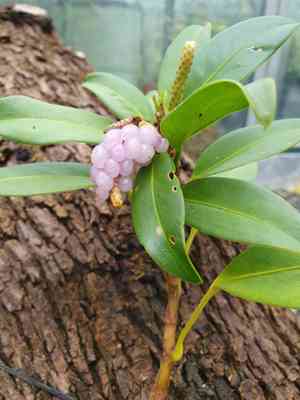
This epiphytic plant, characterized by its heart-shaped leaves, thrives with regular trimming to preserve its form, stimulate denser development, and eliminate any withered or discolored leaves. Perform pruning on pearl anthurium during the spring, summer, or autumn seasons, concentrating on shortening elongated stems back to a robust leaf node with disinfected cutting tools. Light pruning is adequate; refrain from extensive cuts to safeguard its delicate architecture. Consistent trimming improves air circulation, deters infestations, and fosters lush foliage, guaranteeing pearl anthurium continues to be an attractive specimen.
What Are the Benefits of Pruning Pearl Anthurium?
What Are the Benefits of Pruning Pearl Anthurium?
Trimming pearl anthurium promotes robust new development and preserves its desired form. Regular cutting helps prevent excessive growth, ensuring pearl anthurium stays compact and attractive while fostering healthier, more vigorous foliage.
What Is the Best Time for Pruning Pearl Anthurium?
What Is the Best Time for Pruning Pearl Anthurium?
Pruning pearl anthurium is most effective in Spring as the plant emerges from its dormant winter period and enters an active growth phase. This timing allows pearl anthurium to recover quickly from trimming and directs its energy toward producing fresh, healthy growth. Early Summer pruning can assist in managing shape and size as pearl anthurium continues its growth cycle. Late Summer pruning is useful for removing any overgrown or leggy stems that have developed, thereby maintaining an appealing form and encouraging bushier growth. Pruning in Early Fall enables gardeners to remove spent blooms or any damaged foliage before pearl anthurium slows down for its dormant period, but it is crucial to stop pruning by mid-Fall to avoid new growth that might be harmed by the colder weather ahead.
What Tools Do I Need to Prune Pearl Anthurium?
Sharp Bypass Pruners
These pruners are perfect for making precise cuts on pearl anthurium without crushing its delicate stems. Bypass pruners operate like scissors, with two curved blades that slide past each other, minimizing plant harm.
Fine-toothed Pruning Saw
If pearl anthurium has any thicker, woody stems, a fine-toothed pruning saw can handle them with ease without causing undue stress on the plant. Its fine teeth reduce tearing and provide a smoother cut.
Disinfectant (e.g., Isopropyl Alcohol)
Before and after trimming pearl anthurium, tools should be sanitized to prevent disease transmission. Wiping down the blades with a cloth dampened with isopropyl alcohol is an effective method.
Micro-Tip Snips
These snips are suitable for detailed work such as removing faded flowers or trimming small, delicate leaves, which is especially useful for the dense growth habit of pearl anthurium.
Gloves
Wearing gloves can safeguard your hands from injury and from potential skin irritants found in some plants. They also offer a better grip on the tools.
How to Prune Pearl Anthurium
Clean tools
Before trimming pearl anthurium, sanitize pruning tools with isopropyl alcohol or a bleach solution to prevent disease spread.
Remove diseased parts
Identify and carefully remove diseased leaves and branches from pearl anthurium using sharp, clean shears, cutting at a 45-degree angle to avoid harming healthy tissue.
Eliminate withered elements
Locate withered leaves on pearl anthurium and prune them at the base where they meet the stem, ensuring a clean cut to encourage healthy growth.
Trim dead branches
Inspect pearl anthurium for dead branches and prune them back to the point of healthy growth, avoiding unnecessary damage to the plant's main structure.
Maintain shape
After removing the unhealthy parts, lightly prune pearl anthurium to maintain its shape and improve air circulation, which helps prevent future disease.
Common Pruning Mistakes with Pearl Anthurium
Over-pruning
Trimming more than one-third of pearl anthurium at once can stress the plant and diminish its vitality.
Improper tool use
Using dull or dirty tools can result in jagged cuts that are more vulnerable to disease and pests.
Pruning healthy growth
Removing too much healthy growth can limit pearl anthurium's ability to photosynthesize and develop.
Neglecting dead material removal
Failing to remove dead or dying leaves and stems can impede pearl anthurium's growth and attract disease.
Common Pruning Tips for Pearl Anthurium
Clean and sharp tools
Ensure pruning tools are clean and sharp to make precise cuts that heal quickly, minimizing stress on pearl anthurium.
Prune for shape
Trim pearl anthurium to maintain its desired shape and size, focusing on removing only what is essential.
Encourage air circulation
Thin out dense growth to improve air circulation around pearl anthurium, reducing the risk of fungal diseases.
Secured damage removal
Carefully remove any damaged or diseased parts of pearl anthurium to prevent spread to healthy areas.



