How to Propagate Pearl anthurium?
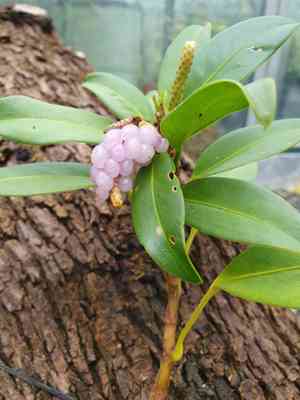
The Pearl anthurium, recognized for its spherical, pearl-like fruits and decorative foliage, flourishes in diffused illumination and elevated atmospheric moisture. For reproduction, seed planting presents an effective technique. Initially, employ a well-aerated, damp substrate. Subsequently, plant the seeds superficially, as they require light for sprouting. Ensure steady warmth and maintain the growing medium slightly hydrated until germination commences.
Optimal Time for Pearl Anthurium Propagation
Propagation Method
Seeding
Propagation Period
Spring
Essential Tools for Pearl Anthurium Propagation
Seed trays
These segmented flat containers aid in organizing and cultivating seedlings under controlled conditions. For pearl anthurium, seed trays are vital as they ensure adequate spacing and depth for root development during early germination. Their use guarantees each seedling ample room to grow without competition, boosting the likelihood of robust plant growth.
Sterile potting mix
A premium, pathogen-free potting mix is critical for sowing pearl anthurium seeds to ward off disease and foster vigorous growth. The blend should be light and free-draining to meet the moisture and aeration needs of pearl anthurium's roots. The mix's sterility guarantees no harmful pathogens or weed seeds will impede the growth or health of young pearl anthurium plants.
Misting bottle
During pearl anthurium propagation via seeding, maintaining proper moisture levels is crucial. A misting bottle allows for gentle hydration that doesn't disturb seeds or young seedlings. It helps sustain high humidity, which benefits pearl anthurium germination and early growth without the risk of overwatering, which can lead to fungal infections or seed rot.
Grow lights (optional)
For indoor propagation settings lacking sufficient natural illumination, grow lights offer the necessary light spectrum that mimics sunlight, which is advantageous for pearl anthurium germination and growth. Grow lights can help achieve more regulated and consistent growth outcomes, particularly in suboptimal lighting conditions.
Heat mat
This device is used to maintain a consistent soil temperature, which is especially important for pearl anthurium seed germination. The warmth provided by a heat mat can significantly enhance germination rates and speed, proving particularly useful in colder climates or during cooler months.
How to Propagate Pearl Anthurium?
Propagation Type
Simple
Caring for Your Newly Propagated Pearl Anthurium
Caring for Your Newly Propagated Pearl Anthurium
After propagation, maintain high humidity around pearl anthurium using a pebble tray or humidifier, and provide bright, indirect light. Water when the top inch of soil feels dry, and fertilize monthly with a balanced, water-soluble feed during the growing season. Avoid extreme temperatures, keeping the environment between 60-75 degrees Fahrenheit. Regularly inspect for pests like aphids and mealybugs.
Common Errors to Avoid When Propagating Pearl Anthurium
Overwatering
Excessive irrigation can lead to waterlogged soil, which is harmful to pearl anthurium. This condition encourages root rot, a serious problem that can impede root development and absorption capabilities, crucial during the initial propagation stages.
Using non-aerated propagation media
Selecting a propagation medium that lacks adequate aeration can hinder pearl anthurium root formation. Compacted or non-porous substrates prevent proper air circulation around the roots, which is vital for their growth and health.
Inadequate light
While propagating pearl anthurium, providing too little light can significantly impact its growth. Insufficient light slows down photosynthesis, which is essential for the energy production needed during the rooting and growth phases.
Cutting size
Using cuttings that are either too small or too large can be a mistake when propagating pearl anthurium. Very small cuttings might not possess enough stored energy to develop roots, whereas excessively large cuttings may demand more energy than they can produce to sustain health and root development.
Tips For Propagating Pearl Anthurium
Moisture balance
Maintain a consistent moisture level in the soil when propagating pearl anthurium. The soil should remain damp but not saturated. This balance helps prevent root rot while providing the necessary moisture for root development.
Choose the right medium
Utilizing a well-aerated propagation medium, such as a blend of perlite and peat moss, is beneficial for pearl anthurium. This ensures good air circulation and moisture retention, promoting healthy root growth.
Indirect light
Provide bright, indirect light for pearl anthurium during propagation. Direct sunlight can be too intense and cause the plant to lose excessive moisture, while insufficient light may hinder its development.
Appropriate cutting size
For successful pearl anthurium propagation, select cuttings that are approximately 4 to 6 inches long. This size typically has sufficient energy reserves and space to develop roots, increasing the likelihood of successful propagation.



