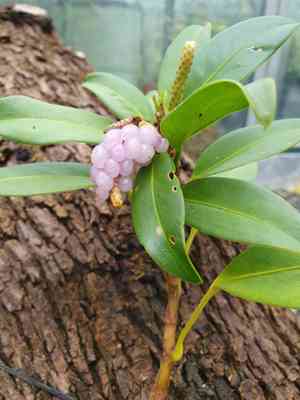
Pearl anthurium (Anthurium scandens)
Also known as: Climbing Anthurium
The plant in question is the **Rosary Vine** (*Ceropegia woodii*). Originating from tropical rainforests, it's perfect for hanging baskets due to its trailing vines. The plant boasts heart-shaped, glossy leaves and small, pearl-like flowers. While it is toxic to humans and pets, it has been utilized in traditional herbal remedies.
In This Article
Attributes of Pearl anthurium
Lifespan
Perennial
Plant Type
Herb, Vine
Plant Height
Up to 1 meter (3.3 feet) in height when climbing.
Spread
Not applicable, as it is a climber.
Leaf Color
Dark green
Flower Size
Small, typically less than 1 cm in diameter.
Flower Color
White Green Red
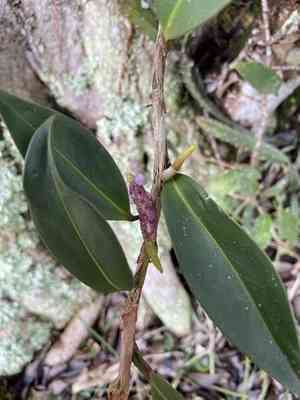
Images of Pearl anthurium
Quickly Identify Pearl anthurium
1
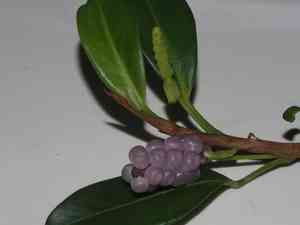
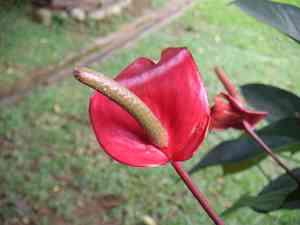
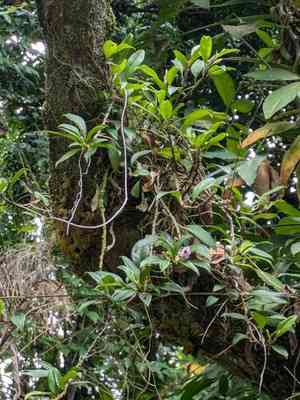
Recognizable by its small greenish or whitish spathes and the presence of aerial roots along its climbing stems. The leaves are generally small, oval, and glossy.
Scientific Classification of Pearl anthurium
Phylum
Vascular plants
Class
Monocotyledons
Order
Water plantains and allies
Family
Arum
Genus
Laceleaf
Species
Pearl anthurium
Planting and Growing of Pearl anthurium
Care Difficulty
Easy
Watering Schedule
Every 2 days
Sunlight Requirements
Partial sun
Sunshine Duration
6-10 hours
Ideal Temperature
65-75℉
Soil Type
Potting Mix, Peat Mix
Soil pH
5.5-6.5
Fertilizer Type
Balanced
Pruning Season
Spring, Summer
Pruning Area
Branches, Leaves
Pruning Frequency
2 times a year
Repotting Season
Spring
Pot Type
Plastic, Ceramic
 How to Water Pearl anthurium?
Anthurium scandens requires a moderate amount of water. When watering, apply around 250 ml in one go. Ensure the soil is evenly moistened but not waterlogged, as this will help maintain plant health and prevent root rot. Water until excess starts dripping from the pot's drainage holes.
What are the symptoms of an underwatered Pearl anthurium?
›
What should I do if my Pearl anthurium is not getting enough water?
›
What are the symptoms of an overwatered Pearl anthurium?
›
How to save an overwatered Pearl anthurium?
›
 What Are the Sunlight Requirements for Pearl anthurium?
Partial sun exposure with intervals of direct sunlight in the morning or late afternoon is ideal. This ensures Anthurium scandens maintains lush foliage and robust health.
More About Sunlight Requirements Techniques→
How can I achieve ideal lighting conditions for Anthurium scandens?
›
What is the best placement for Anthurium scandens to get optimal light?
›
What are the benefits of providing ideal light for Anthurium scandens?
›
 What Is the Ideal Temperature Range for Pearl anthurium?
Anthurium scandens thrives best in temperature conditions ranging from 65 to 75°F. This range closely mimics its natural habitat in tropical regions, where moderate warmth is prevalent. Maintaining this ideal temperature assures optimal growth and flowering, providing a comfortable environment that supports the plant’s physiological processes efficiently.
 What Soil is Best for Pearl anthurium?
Anthurium scandens thrives in well-draining soil that mimics its natural epiphytic environment. This type of soil prevents excessive water retention, reducing the risk of root rot and supporting healthy root development, ultimately resulting in a more robust plant. A nutrient-rich substrate is critical for Anthurium scandens to maintain vibrant foliage and support flowering. Utilizing a soil mix enriched with organic matter provides essential nutrients that promote vigorous growth and long-lasting health. While the soil must be well-draining, it should also retain adequate moisture to prevent drying out. This balance allows Anthurium scandens to absorb necessary water without becoming waterlogged, sustaining its lush appearance.
 How to Fertilize Pearl anthurium?
Anthurium scandens thrives on a balanced diet of fertilizers. It's essential to apply liquid fertilizer at half the recommended strength to avoid nutrient overdose. During the growing season, around 1 teaspoon per liter of water can provide the necessary boost without overwhelming the plant. Solid fertilizers, like slow-release pellets, should be used sparingly, with about 1/4 teaspoon per gallon of soil for annual applications.
 How to Prune Pearl anthurium?
Start by identifying the stems that are overgrown or damaged. Use sterilized pruning shears to make clean cuts just above a leaf node. Removing old or crowded growth will encourage new shoots and improve airflow within the plant, preventing disease. To encourage Anthurium scandens to develop a bushier appearance, pinch back the tips of stems periodically. This prompts the plant to produce side shoots, resulting in a fuller and more aesthetically pleasing appearance.
More About Pruning Techniques→
 How to Propagate Pearl anthurium plant?
1
Choose healthy stems with several leaves and no signs of disease or damage. Ideally, cuttings should be taken from mature plants to ensure they have the best chance of rooting successfully.
2
Prepare a potting mix that holds moisture well but also provides adequate drainage. A mix of peat moss, perlite, and orchid bark is ideal for Anthurium scandens. Fill pots with the mix before planting.
3
Insert the cuttings into the potting mix, ensuring the nodes are buried beneath the soil's surface. Water the pots thoroughly after planting to encourage root growth and establishment.
 How to Repot Pearl anthurium plant?
1
Anthurium scandens should be repotted when its roots outgrow the current pot, visible through drainage holes or when plant growth slows down dramatically. Another sign is if the soil dries out very quickly after watering. Spring and summer, during the active growing season, are the ideal times to repot Anthurium scandens to ensure minimal stress on the plant.
2
Select a pot that is only slightly larger than the current one. This prevents excessive soil retention which can cause root rot. A pot with drainage holes is essential to ensure proper water drainage. Choosing a pot that's proportionate to the plant size will support a healthy root system, preventing both overcrowding and over-watering.
3
Opt for a light, well-draining potting mix, such as one made for orchids or bromeliads. This kind of soil allows for air circulation to the roots and prevents water from sitting in the pot, thus reducing the risk of root rot. The ideal soil mix retains moisture but dries out quickly enough to provide a healthy growing environment.



