How to Prune Littleleaf pussytoes?
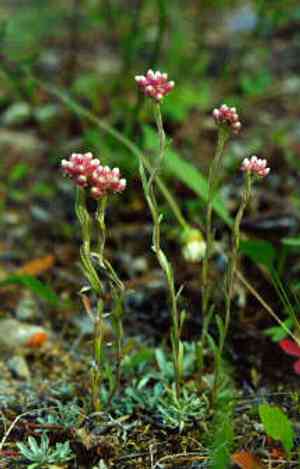
A perennial groundcover recognized for its fuzzy, mat-forming habit, littleleaf pussytoes flourishes with infrequent trimming. Removing faded blossoms in late spring fosters thicker foliage and might stimulate a subsequent flowering. Throughout summer, lightly prune to preserve its form and inhibit excessive spreading. Trimming during these periods sustains the health of littleleaf pussytoes, improving air movement and diminishing pest threats. Implementing these methods boosts its overall look and robustness, positioning littleleaf pussytoes as a perfect low-upkeep selection for cultivators.
Advantages of Trimming Littleleaf Pussytoes
Advantages of Trimming Littleleaf Pussytoes
Trimming littleleaf pussytoes boosts its vitality and keeps its shape compact. Regular cutting promotes strong development, ensuring littleleaf pussytoes remains robust and visually appealing.
Optimal Period for Pruning Littleleaf Pussytoes
Optimal Period for Pruning Littleleaf Pussytoes
Pruning or trimming littleleaf pussytoes during Spring and Summer aligns with its active growth phase, typically starting in early spring and continuing through summer. During these seasons, littleleaf pussytoes displays vigorous vegetative growth, making it ideal for pruning to encourage healthy development and denser foliage. Spring pruning helps remove dead or damaged winter foliage, promoting new growth. Summer pruning, though lighter, can shape the plant or control its spread, preventing it from overcrowding nearby plants. Also, since littleleaf pussytoes flowers in spring, post-flowering pruning in late spring helps prevent seeding and directs the plant's energy towards vegetative growth instead of seed production.
Necessary Tools for Pruning Littleleaf Pussytoes
Hand Pruners
Compact and precise, hand pruners are perfect for cutting through the soft stems of littleleaf pussytoes. They allow for accurate cuts that help maintain the plant's shape and encourage healthy new growth.
Gardening Scissors
These are excellent for snipping delicate stems and deadheading spent littleleaf pussytoes flowers. Gardening scissors offer good control and can be used to carefully shape smaller or more intricate plant parts without harming surrounding foliage.
Pruning Shears
For denser or more crowded littleleaf pussytoes growth areas, pruning shears are effective. They provide the dexterity needed to reach into thick patches and perform selective trimming without damaging the plant's main sections.
How to Prune Littleleaf Pussytoes
Prepare tools
Prepare appropriate tools, including sterilized sharp scissors or pruning shears. Cleaning and sterilizing tools before use is crucial to prevent disease spread across littleleaf pussytoes.
Identify areas
Carefully inspect littleleaf pussytoes for diseased and withered leaves, as well as any diseased stems. Look for discolored, spotted, or wilted leaves, and discolored, soft, and possibly oozing stems.
Prune diseased leaves
Gently trim off diseased and withered leaves at their base, close to the stem. Ensure clean cuts without tearing, which helps promote quicker healing of littleleaf pussytoes.
Prune diseased stems
Remove diseased stems by cutting them back to the plant's base or to healthy tissue. It's important to cut into healthy tissue to ensure all diseased areas are completely removed.
Cleanup
Dispose of all removed material promptly and carefully to prevent pathogen spread. It is recommended not to compost diseased plant material to avoid contaminating the compost.
Common Pruning Errors with Littleleaf Pussytoes
Overpruning
Removing too much foliage at once can shock littleleaf pussytoes, potentially hindering its growth. This plant benefits from a lighter touch to maintain its compact, cushion-like form.
Improper technique
Using dull or dirty pruning tools can damage the delicate stems of littleleaf pussytoes. Clean, sharp snips not only prevent harm to the plant but also aid in faster healing of cut areas.
Pruning at wrong growth phase
Cutting back littleleaf pussytoes during its active growing phase can disrupt its natural growth and flowering cycle. Understanding growth stages before pruning is crucial.
General Pruning Advice for Littleleaf Pussytoes
Promote dense growth
To encourage denser, more compact growth, pinch back the tips of littleleaf pussytoes in its early stages. This technique helps stimulate the plant to branch out.
Maintenance pruning
Regularly remove dead or fading littleleaf pussytoes flowers to foster more blooms and prevent unnecessary energy expenditure on seed production.
Disease prevention
While pruning littleleaf pussytoes, always remove any dead or diseased stems to prevent disease spread and maintain plant health. Ensure cuts are clean and close to the stem's base, avoiding jagged edges that could harbor pests or disease.



