How to Propagate Littleleaf pussytoes?
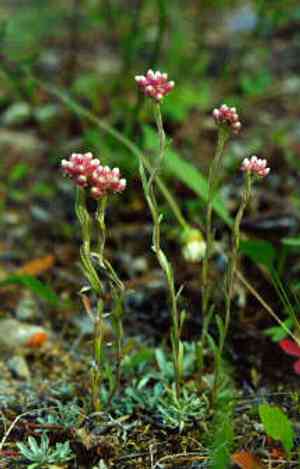
Littleleaf pussytoes flourishes when reproduced via cuttings. To achieve optimal outcomes, choose robust, non-blooming stalks and divide them into sections. Every section ought to possess several leaves. Submerge the severed end in rooting compound to boost root formation and embed it in a potting blend that drains effectively. Guarantee the growing medium remains uniformly damp and supply diffused illumination until roots are firmly established, subsequently, littleleaf pussytoes can be relocated to its permanent spot.
Optimal Time for Littleleaf Pussytoes Propagation
Propagation Method
Cutting
Propagation Period
Spring,Summer
Tools Required for Littleleaf Pussytoes Propagation
Sharp Pruning Shears
These are vital for making clean cuts on stems or leaves of littleleaf pussytoes without crushing plant tissue. A precise, clean cut is essential to prevent damage and lower infection risk, thereby boosting propagation success. Sterilize shears before use to stop disease spread.
Rooting Hormone
This product aids in stimulating root growth at the cut end of littleleaf pussytoes's stem or leaf cuttings. Rooting hormones, typically powdered or liquid, significantly enhance rooting success by promoting faster root initiation and stronger root systems.
Propagation Tray
Designed to hold multiple cuttings, a propagation tray facilitates an organized setup, offering ample space and support for each littleleaf pussytoes cutting. Trays should have good drainage to allow excess water to escape, preventing issues like root rot.
Sterile Potting Mix
A sterile potting mix provides a disease-free environment crucial for the healthy root development of littleleaf pussytoes's cuttings. Selecting a light and nutrient-rich medium ensures optimal conditions for root growth.
Plastic Domes or Covers
Placed over propagation trays, these covers create a humid environment that helps maintain moisture around littleleaf pussytoes cuttings, a key factor in root development. Controlled conditions reduce water loss from cuttings, improving rooting potential.
How to Propagate Littleleaf Pussytoes?
Propagation Difficulty
Easy
Caring for Your Newly Propagated Littleleaf Pussytoes
Caring for Your Newly Propagated Littleleaf Pussytoes?
Once littleleaf pussytoes has rooted and begun new growth, gradually introduce the young plants to drier conditions by removing the plastic cover. Move them to a sunny spot, ensuring they get ample light but avoid direct midday sun. Water enough to keep the soil moist, but ensure good drainage to prevent waterlogging. This species is drought-tolerant once mature but benefits from occasional watering during extended dry spells. Fertilization is not needed as littleleaf pussytoes thrives in low-nutrient soils.
Common Errors to Avoid When Propagating Littleleaf Pussytoes
Overwatering
Providing littleleaf pussytoes with too much water can lead to root rot, as littleleaf pussytoes prefers well-draining soil and moderate moisture. Excessive watering can suffocate roots, hindering growth and potentially causing fungal diseases.
Excessive Fertilization
Applying too much fertilizer to littleleaf pussytoes can cause nutrient imbalances and burn the roots. This error can impede natural growth and weaken the plant, making it more vulnerable to diseases and poor development.
Improper Cutting Selection
Using unhealthy or non-viable parts of littleleaf pussytoes for cuttings can result in poor or failed propagation. It is essential to choose healthy plant material to ensure higher success rates.
Advice for Propagating Littleleaf Pussytoes
Soil Composition
Use a well-draining soil mix for littleleaf pussytoes propagation. This prevents water retention around the roots, reducing root rot risk and supporting healthier growth.
Cuttings Selection
Choose healthy, robust parts of littleleaf pussytoes for cuttings. This means selecting parts free from pests, diseases, and damage. Healthy cuttings have a greater chance of successful rooting and developing into strong plants.
Watering Practices
Water littleleaf pussytoes moderately during propagation, ensuring the soil is moist but not waterlogged. Proper moisture levels are crucial for encouraging root development without risking fungal diseases.



