The Littleleaf pussytoes Plant Advantage: Maximizing Home and Office Appeal and Wellness
1
Littleleaf pussytoes is an easy-to-care-for perennial herb, ideal for arid, stony environments.
2
Draws in beneficial insects such as butterflies, contributing to local biodiversity.
3
Possesses historical applications in herbal medicine and natural coloring.
What is Littleleaf pussytoes?
Botanical Characteristics
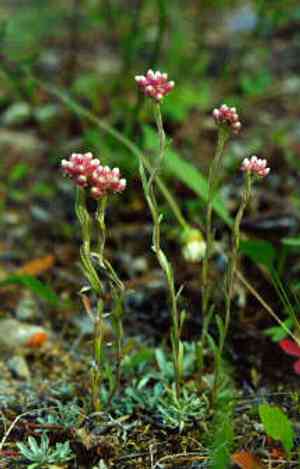
Littleleaf pussytoes is a perennial herb recognized for its small, gray-green foliage and clusters of white to pinkish blossoms. It typically thrives in arid, rocky areas and meadows, making it an excellent option for regions with poor soil quality. Its leaves form a thick mat, which can help prevent soil erosion and reduce weed growth.
Habitat and Growing Conditions
Littleleaf pussytoes flourishes in well-drained soil and full sun, though it can endure partial shade. It is drought-resistant, making it suitable for xeriscaping and areas with limited water availability. This plant is also quite resistant to pests and diseases, requiring minimal upkeep once established.
How Can Littleleaf pussytoes Benefit Your Garden?
Attracting Pollinators
Littleleaf pussytoes is known to draw various pollinators, including butterflies and bees. This not only aids in the pollination of nearby plants but also supports local ecosystems by providing a food source for these beneficial insects. By planting Littleleaf pussytoes, you can foster a vibrant and thriving garden ecosystem.
Enhancing Aesthetic Value
With its delicate flowers and appealing foliage, Littleleaf pussytoes adds visual interest to any garden. It can be utilized as ground cover, in rock gardens, or along borders to create a textured and colorful display. Its low-growing habit makes it an excellent choice for filling gaps between taller plants or adding a soft edge to garden beds.
What are the Traditional Uses of Littleleaf pussytoes?
Herbal Remedies
Historically, Littleleaf pussytoes has been employed in traditional herbal remedies for various ailments. While scientific studies on its effectiveness are limited, many cultures have valued this plant for its supposed medicinal properties, including its use in teas and poultices.
Natural Dyeing
Littleleaf pussytoes has also been used in natural dyeing processes, offering a sustainable way to color fabrics. The plant's roots and leaves can produce different shades when subjected to various dyeing techniques, making it a valuable resource for eco-friendly crafters and artisans.
How to Grow and Maintain Littleleaf pussytoes?
Planting Guidelines
To plant Littleleaf pussytoes, select a location with well-drained soil and full sun exposure. Prepare the soil by removing weeds and loosening it to improve drainage. Place the plant clumps or seeds in the soil, ensuring they are spaced adequately to allow for growth.
Care and Maintenance
Littleleaf pussytoes requires minimal care once established. Water the plant sparingly, as it is drought-tolerant and prefers dry conditions. Mulching can help retain moisture and suppress weeds. Deadheading spent flowers can encourage further blooms and maintain the plant's appearance.
How to Use Littleleaf pussytoes in Garden Design?
Ground Cover and Erosion Control
Littleleaf pussytoes's dense foliage makes it an excellent ground cover, helping to prevent soil erosion and reduce weed growth. It can be planted on slopes or in areas with poor soil to stabilize the ground and enhance the landscape's visual appeal.
Complementary Plantings
Littleleaf pussytoes pairs well with other drought-tolerant plants, such as lavender, sage, and ornamental grasses. These combinations can create a low-maintenance, water-efficient garden that is both beautiful and sustainable. Additionally, consider planting Littleleaf pussytoes near vegetables and fruiting plants to attract pollinators and boost yields.



