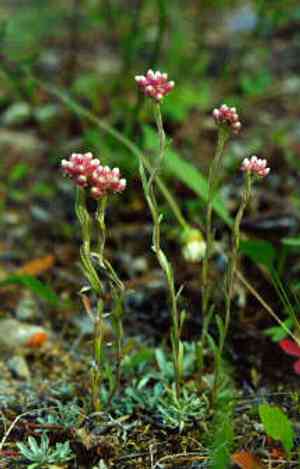
Littleleaf pussytoes (Antennaria microphylla)
Also known as: Small-leaf pussytoes
Antennaria microphylla, or Littleleaf pussytoes, thrives in plains, hills, dry meadows, and open woodlands. This small herb has separate male and female plants and ranges in height from 3 to 30 cm. With spoon-shaped or oblong leaves, it blooms from late spring to summer. The Columbian ground squirrel is known to feed on this plant.
In This Article
Attributes of Littleleaf pussytoes
Lifespan
Perennial
Plant Type
Herb
Plant Height
10 cm to 30 cm
Spread
10-20 cm
Leaf Color
Grayish-green
Flower Size
0.5-1 cm
Flower Color
White, pink
Images of Littleleaf pussytoes
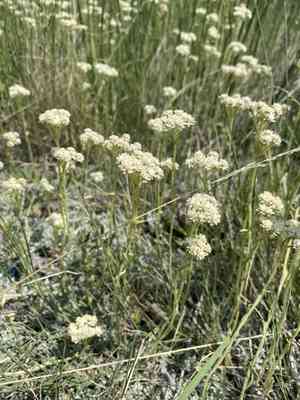
Quickly Identify Littleleaf pussytoes
1
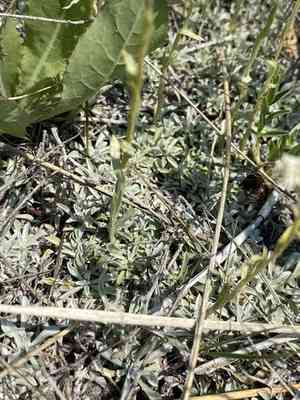
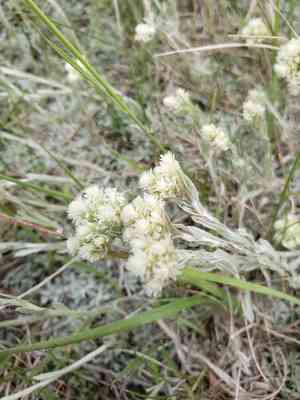
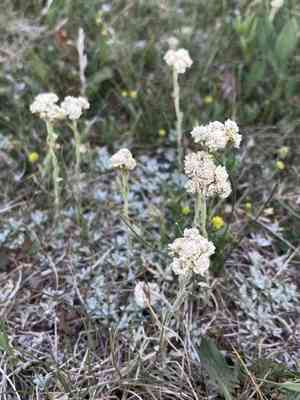
The plant can be recognized by its small, spoon-shaped leaves that form a basal rosette. The leaf surface is covered with fine, white hairs giving it a woolly appearance. The flower heads are small and clustered, typically white to pink in color.
Scientific Classification of Littleleaf pussytoes
Phylum
Vascular plants
Class
Dicotyledons
Order
Asterales
Family
Daisy
Genus
Everlasting
Species
Littleleaf pussytoes
Planting and Growing of Littleleaf pussytoes
Care Difficulty
Easy
Watering Schedule
Every 2 days
Sunlight Requirements
Full sun
Sunshine Duration
6-8 hours
Ideal Temperature
60-75℉
Soil Type
Potting Mix, Peat Mix
Soil pH
6.5-7.5
Fertilizer Type
Balanced
Pruning Season
Spring, Summer
Pruning Area
Branches, Leaves
Pruning Frequency
2 times a year
Repotting Season
Spring
Pot Type
Terracotta, Plastic
 How to Water Littleleaf pussytoes?
To ensure Antennaria microphylla thrives, water until 250ml gently saturates the soil, avoiding soaking. The principle is to keep the soil slightly moist without overwatering, reflecting its natural preference for drier conditions.
What are the symptoms of an underwatered Littleleaf pussytoes?
›
What should I do if my Littleleaf pussytoes is not getting enough water?
›
What are the symptoms of an overwatered Littleleaf pussytoes?
›
How to save an overwatered Littleleaf pussytoes?
›
 What Are the Sunlight Requirements for Littleleaf pussytoes?
Ideal light conditions for Antennaria microphylla consist of full sun to partial sun exposure. This light range supports optimal photosynthesis, ensuring robust health, vibrant leaf coloration, and desirable growth habits.
Question: What is the best lighting condition for Antennaria microphylla?
›
Question: What should you do if your Antennaria microphylla doesn't get enough sun?
›
Question: How to balance sun exposure during very hot days?
›
 What Is the Ideal Temperature Range for Littleleaf pussytoes?
Antennaria microphylla thrives best within the temperature range of 60 to 75°F. This range provides the optimal conditions for its growth and physiological processes, ensuring the plant remains healthy and vibrant. Maintaining temperatures within this range supports photosynthesis and nutrient absorption, promoting robust growth.
 What Soil is Best for Littleleaf pussytoes?
Antennaria microphylla thrives in well-drained soil, which prevents water from accumulating around the roots. Proper drainage is crucial as it helps avoid root rot, ensuring the plant remains healthy and vibrant. This plant benefits from a nutrient-rich substrate, which supports robust growth and enhances flowering. Enriching the soil with organic matter can provide essential nutrients, promoting vital plant functions. Antennaria microphylla prefers soil with moderate fertility rather than overly rich or poor soil. This balance provides enough nutrients without overwhelming the plant, helping to maintain its natural growth form.
 How to Fertilize Littleleaf pussytoes?
Antennaria microphylla, or little-leaf pussytoes, requires moderate fertilization. When using a balanced liquid fertilizer, mix 1 teaspoon per gallon of water. For slow-release granular fertilizers, use approximately 1 tablespoon per square foot of soil. Avoid excessive fertilizing as it may lead to nutrient burn.
 How to Prune Littleleaf pussytoes?
Make sure your pruning shears are clean and sharp. Dull or dirty tools can damage the plant's tissue, making it more susceptible to disease. Sterilize tools with a mild disinfectant before starting. Begin by removing dead or damaged leaves. Focus on trimming back leggy stems to encourage bushier growth. It's important to make clean cuts at a slight angle to ensure water runoff, which minimizes disease risk. Stand back periodically to ensure symmetry and a balanced shape. Prune areas that are overly dense to allow light penetration, which is crucial for even growth and overall plant health. This prevents the center from becoming too crowded.
More About Pruning Techniques→
 How to Propagate Littleleaf pussytoes plant?
1
Begin by filling seed trays with a light, well-draining potting mix. Scatter Antennaria microphylla seeds evenly across the surface. Cover them lightly with additional potting mix and gently water. Place trays in a bright area with consistent warmth.
2
For division, carefully dig up an established Antennaria microphylla. Use a garden fork to separate the root clumps into sections, ensuring each has viable roots and stems. Replant the divisions immediately in well-prepared soil, maintaining moisture.
3
Once seeds have germinated, allow seedlings to develop a few true leaves before transplanting. Gradually acclimate them to outdoor conditions, beginning with shaded areas and slowly introducing them to full sun to prevent shock.
 How to Repot Littleleaf pussytoes plant?
1
Repot Antennaria microphylla when you notice it's outgrowing its container, roots emerging from drainage holes, or soil drying out too quickly. These signs signal that the plant needs more space and fresh nutrient-rich soil to continue thriving and avoid stress.
2
Select a pot that is one size larger than the current one and has effective drainage holes. A slightly larger pot gives the roots space to grow without overwhelming the plant. Good drainage helps prevent waterlogging, reducing the risk of root rot and promoting healthy growth.
3
For Antennaria microphylla, use a well-draining sandy soil mix to mimic its natural habitat. This type of soil ensures that water doesn't stagnate in the pot, which helps prevent root rot and encourages robust growth.



