How to Prune Alocasia wentii?
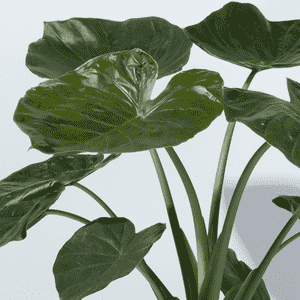
Recognized for its expansive, exotic foliage, the resilient elephant ear flourishes with appropriate trimming to foster well-being and robust development. Perform pruning in late winter or early spring, detaching deceased or discolored leaves at the stem's foundation to improve air movement and light penetration. This upkeep averts ailments and stimulates fresh, energetic growth. Trimming invigorates the hardy elephant ear's abundant leaves, establishing it as a crucial component of nurturing this striking botanical specimen.
Advantages of Trimming Hardy Elephant Ear
Advantages of Trimming Hardy Elephant Ear
Trimming hardy elephant ear encourages robust development and preserves its distinctive form. This boosts its visual appeal and well-being, preventing excessive growth that can diminish vitality and heighten disease vulnerability.
Optimal Period for Pruning Hardy Elephant Ear
Optimal Period for Pruning Hardy Elephant Ear
Pruning hardy elephant ear in late winter or early spring is ideal, as this timing aligns with the plantâs dormant phase and precedes its active growth season. During late winter, hardy elephant ear has typically finished its previous year's growth cycle and is preparing for new growth with the arrival of warmer spring temperatures. Pruning at this time allows gardeners to remove any frost-damaged or diseased foliage without jeopardizing new growth emerging in spring. Additionally, trimming hardy elephant ear before new growth begins helps stimulate stronger, healthier shoots, ensuring vigorous growth and improved plant vitality throughout the growing season.
Tools Required for Pruning Hardy Elephant Ear
Sharp Bypass Pruners
Perfect for making clean, precise cuts on hardy elephant ear's stalks. Bypass pruners feature a curved, scissor-like design that ensures minimal harm to plant tissues, fostering healthier regrowth.
Gardening Gloves
Crucial for shielding hands from hardy elephant ear's potentially irritating sap during trimming. Gloves made from a durable, waterproof material are recommended for both protection and dexterity.
Long-handled Loppers
Useful for reaching higher or deeper sections of hardy elephant ear without straining the gardener. Their extended handles and powerful cutting ability make them ideal for trimming thicker stems that bypass pruners cannot manage.
How to Prune Hardy Elephant Ear
Identify
Regularly inspect hardy elephant ear to pinpoint diseased or withered leaves needing removal. Look for discoloration, spots, or foliage that appears dried out and brittle.
Sanitize
Before pruning hardy elephant ear, disinfect your pruning tools with alcohol or a bleach solution to prevent disease transmission.
Cut
Using sharp scissors or secateurs, carefully cut the diseased or withered leaves at their base where they meet the main stem. Ensure a clean cut to avoid damaging the plant.
Dispose
Properly discard the removed leaves. Do not compost diseased leaves as they can spread pathogens; they should be placed in the trash.
CleanUp
After pruning hardy elephant ear, tidy the surrounding area to remove any fallen debris or leaves. This helps maintain a healthy growing environment.
Common Pruning Errors with Hardy Elephant Ear
Overpruning
A frequent error is removing too much foliage at once, which can stress hardy elephant ear and diminish its vigor. It's vital to prune no more than a third of the plant at any given time to maintain its health and appearance.
Cutting healthy leaves
Gardeners sometimes mistakenly cut healthy leaves instead of only the dead or yellowing ones. For hardy elephant ear, it's essential to focus on removing only the damaged or diseased leaves to avoid stunting its growth.
Improper tool use
Using dull or dirty pruning tools can harm the stems of hardy elephant ear, leading to jagged cuts that heal poorly. This invites pests and diseases, compromising the plant's health. Always use sharp, clean tools for pruning.
General Pruning Advice for Hardy Elephant Ear
Selective pruning
Focus on removing only the leaves that are yellow, brown, or damaged. This promotes healthier growth in hardy elephant ear by allowing more resources to be directed to the thriving parts of the plant.
Timing cuts
When pruning, make cuts close to the main stem but not too close as to damage it. This technique encourages faster healing and prevents potential disease entry points.
Disposal of debris
After pruning, make sure to clean up and dispose of all cuttings and dead leaves around hardy elephant ear. This helps prevent the spread of any pests or diseases that could linger on the debris.



