The Alocasia wentii Plant Advantage: Maximizing Home and Office Appeal and Wellness
1
The hardy elephant ear effectively cleanses the air, enhancing the quality of indoor air.
2
This plant flourishes in both interior and exterior settings, offering adaptability to your green areas.
3
Maintaining the hardy elephant ear is straightforward, making it a perfect option for new and seasoned plant enthusiasts alike.
Why Opt for Hardy Elephant Ear in Your Home?
Visually Appealing and Adaptable
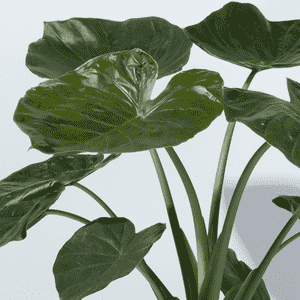
A key attractive feature of Hardy elephant ear is its striking look. Its large, heart-shaped foliage can make a bold impression in both indoor and outdoor settings. The plant's vibrant green leaves can evoke a tropical feel, transforming any area into a lush haven. Whether you possess a modern apartment or an expansive garden, Hardy elephant ear integrates smoothly into various decor styles and landscapes.
Enhances Air Purity
Beyond its visual charm, Hardy elephant ear functions as a natural air purifier. It effectively eliminates toxins like formaldehyde and benzene from the air, contributing to a healthier indoor atmosphere. This makes it an ideal plant for residences and workplaces, particularly in urban areas where air quality might be compromised.
How to Maintain Hardy Elephant Ear?
Light and Temperature Needs
Hardy elephant ear flourishes in bright, indirect light but can also endure low-light conditions, making it versatile for various indoor environments. However, for optimal development, positioning the plant near a window with filtered sunlight is advisable. This species prefers warm temperatures, ideally between 65-75°F (18-24°C), and should be shielded from cold drafts and temperatures below 50°F (10°C).
Watering and Soil Conditions
Appropriate watering is vital for sustaining the health of Hardy elephant ear. The soil should remain consistently moist but not waterlogged. During the active growth period, typically spanning spring and summer, water the plant thoroughly and allow the top inch of soil to dry before re-watering. In the dormant months of fall and winter, decrease the watering frequency. Well-draining soil rich in organic matter provides the best growing conditions.
The Advantages of Hardy Elephant Ear in Outdoor Environments
Improving Garden Aesthetics
In garden landscapes, Hardy elephant ear serves as an excellent focal point due to its large and textured leaves. It pairs well with other tropical plants or can stand alone as a centerpiece. Whether planted directly in the ground or in containers, it adds height and dimension to garden beds and borders.
Low-Effort Landscaping
For gardeners seeking low-maintenance options, Hardy elephant ear is an excellent choice. It requires minimal intervention once established, relying mainly on consistent moisture and occasional fertilization during the growing season. Furthermore, this plant is relatively pest-resistant, reducing the need for chemical treatments.
The Role of Hardy Elephant Ear in Sustainable Living
Fostering Biodiversity
Integrating Hardy elephant ear into your garden can contribute to local biodiversity. The plant can attract beneficial insects such as pollinators, which support the health of the ecosystem. It also provides habitat for small wildlife, enriching the ecological balance of your garden.
Natural Cooling Attributes
Plants like Hardy elephant ear can play a significant role in mitigating urban heat islands. Their large leaves offer shade and release moisture into the air through transpiration, naturally cooling the surrounding environment. This can help reduce energy costs for air conditioning and create more comfortable outdoor living spaces.
Further Advice for Maximizing the Benefits of Hardy Elephant Ear
Propagation Methods
Hardy elephant ear can be easily propagated through division, enabling you to expand your collection or share with friends and family. Dividing the plant every few years not only encourages healthy growth but also revitalizes older plants.
Seasonal Care Adjustments
While Hardy elephant ear is generally low-maintenance, adjusting its care routine based on the season can ensure it thrives year-round. During the winter months, consider moving indoor plants away from drafty windows and providing additional humidity if your home is dry.



