How to Propagate Alocasia wentii?
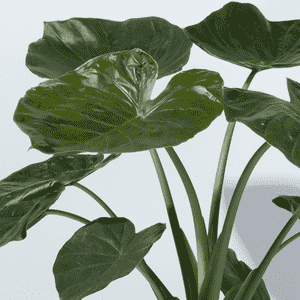
Robust elephant ear varieties can be successfully multiplied by dividing their rhizomes. This technique offers a simple way to create new plants from established, thriving specimens, ensuring they inherit the parent's traits. Carefully detach the rhizomes while the plant is inactive to encourage vigorous development, making sure each segment retains multiple leaves to aid in light conversion and minimize stress.
Optimal Timing for Propagating Hardy Elephant Ear
Propagation Method
Splitting
Propagation Period
Spring,Autumn
Tools Required for Hardy Elephant Ear Propagation
Sharp, Sterilized Knife or Pruning Shears
These implements are crucial for making clean cuts through the root mass of hardy elephant ear during the division process. A keen edge ensures precise incisions without harming plant tissues, promoting faster recovery and reducing disease risk. Sterilization prevents pathogen transmission between plants.
Garden Fork or Spade
These are employed for gently extracting hardy elephant ear from the ground or its container. A garden fork is particularly effective for loosening soil around roots, minimizing damage to the root system, which is vital for the successful establishment of divided plants.
Watering Can or Hose with a Gentle Spray Setting
Following division, hardy elephant ear needs careful watering to help settle the soil and eliminate air pockets around the roots. A soft spray ensures even water distribution without disturbing the newly planted divisions.
Rooting Hormone (optional)
While not strictly necessary, applying a rooting hormone can boost root development in the divided sections of hardy elephant ear. This can be especially advantageous if divisions appear to have less vigorous root systems. Applying a rooting hormone to cut sections can stimulate quicker and more robust root growth.
Propagating Hardy Elephant Ear: A Guide
Propagation Difficulty
Simple
Post-Propagation Care for Your Hardy Elephant Ear
Post-Propagation Care for Your Hardy Elephant Ear
After propagating hardy elephant ear, maintain consistent moisture without overwatering, as hardy elephant ear prefers a moist, but not waterlogged, environment. Position hardy elephant ear in indirect light with some partial shade and provide a humid atmosphere if possible. Avoid direct sunlight as it can scorch the leaves. Regularly inspect for pests such as spider mites or aphids, especially on the undersides of leaves. Fertilize with a balanced, water-soluble feed every 4-6 weeks during the growing season for optimal growth.
Common Errors to Avoid When Propagating Hardy Elephant Ear
Excessive watering during propagation
Saturated soil can lead to root rot in hardy elephant ear. This error compromises root health, making it difficult for the plant to absorb nutrients and stabilize itself.
Using unsterilized tools
Contaminated tools can introduce pathogens to the propagation medium and hardy elephant ear's cuttings, resulting in disease and stunted growth.
Cutting too small a rhizome section
Utilizing a rhizome piece that is too small can limit the stored energy available for hardy elephant ear to establish and develop new roots and shoots.
Advice for Propagating Hardy Elephant Ear
Maintain appropriate moisture levels
Ensure the soil remains consistently moist but not waterlogged to support root development without causing rot, which is crucial for hardy elephant ear's health.
Use a well-draining propagation mix
A light, airy soil blend helps prevent water accumulation and supports healthy root growth, which is vital for hardy elephant ear's successful establishment.
Utilize larger rhizome pieces
Selecting rhizome sections with multiple growth points can increase the likelihood of successful propagation, providing more energy and potential new growth points for hardy elephant ear.



