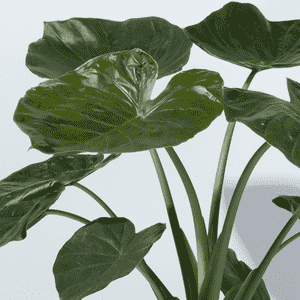
Alocasia wentii (Alocasia wentii)
Also known as: New Guinea Shield, Went's Alocasia
Alocasia wentii, also known as the robust elephant's ear, is a flower-bearing species that belongs to the Araceae family. It is indigenous to the elevated regions of New Guinea. This plant, in its pure species form as well as some patterned cultivars, is sometimes domestically cultivated and can be bought commercially.
In This Article
Attributes of Alocasia wentii
Lifespan
Alocasia wentii, also known as elephant ear or hardy elephant ear, is a perennial plant that will regrow annually for many years when the appropriate conditions are met.
Plant Height
3-5 feet
Spread
3-4 feet
Leaf Color
Glossy Green
Flower Size
Not Significant
Flower Color
Not Significant
Images of Alocasia wentii
Quickly Identify Alocasia wentii
1
Identify Alocasia wentii by its large, dark green leaves with a bronze underside and its characteristic wavy edges.
Scientific Classification of Alocasia wentii
Phylum
Angiosperms
Class
Monocotyledonae
Order
Alismatales
Family
Araceae
Genus
Alocasia
Species
A. wentii
Planting and Growing of Alocasia wentii
Watering Schedule
Every 2 days
Sunlight Requirements
Partial sun
Sunshine Duration
10-12 hours
Ideal Temperature
65-75℉
Soil Type
Potting Mix, Peat Mix
Soil pH
6.5-7.5
Fertilizer Type
Balanced
Pruning Season
Spring, Summer
Pruning Area
Branches, Leaves
Pruning Frequency
2 times a year
Repotting Season
Spring
Pot Type
Plastic, Ceramic
 How to Water Alocasia wentii?
Alocasia wentii prefers a consistent and balanced watering schedule. Water thoroughly until it drains from the bottom to ensure the soil is moist but not waterlogged. This ensures that the roots receive adequate hydration without sitting in excess water.
What are the symptoms of an underwatered Alocasia wentii?
›
What should I do if my Alocasia wentii is not getting enough water?
›
What are the symptoms of an overwatered Alocasia wentii?
›
How to save an overwatered Alocasia wentii?
›
 What Are the Sunlight Requirements for Alocasia wentii?
Partial sun is ideal for Alocasia wentii, promoting vibrant growth and lush leaves. Adequate light ensures balanced energy supply for optimal photosynthesis, resulting in a robust and healthy plant.
Optimal Light Intensity
›
Achieving Balanced Sun Exposure
›
Creating Ideal Light Conditions
›
 What Is the Ideal Temperature Range for Alocasia wentii?
The optimal temperature range for Alocasia wentii is between 65°F and 75°F. Within this range, the plant can maintain its growth and health efficiently. Too much deviation from this ideal range may lead to stress, affecting its foliage and overall vitality.
 What Soil is Best for Alocasia wentii?
Alocasia wentii thrives in nutrient-rich soil that provides essential minerals and vitamins. Well-fertilized soil contributes to lush foliage and robust growth, ensuring the plant remains healthy and vibrant. Well-draining soil is vital for Alocasia wentii to prevent root rot and other water-related issues. Proper drainage allows excess water to escape, maintaining the right moisture balance for optimal plant health. While it requires well-draining properties, Alocasia wentii also benefits from soil that retains moisture to some extent. This balance prevents dehydration, fostering a thriving environment for the plant.
 How to Fertilize Alocasia wentii?
When fertilizing Alocasia wentii, use a balanced, water-soluble fertilizer at half the recommended strength. This will provide regular nourishment without overwhelming the plant's delicate roots. Avoid heavy fertilization as it might lead to nutrient burn. An application rate of a quarter teaspoon per liter of water is generally adequate during the growing season.
 How to Prune Alocasia wentii?
Alocasia wentii has a natural growth habit that doesn't require frequent pruning, except for cleaning purposes. This plant usually grows by forming new leaves from the center and older leaves will naturally fade over time. To ensure the plant stays healthy, focus on removing these spent or wilting leaves promptly. Regular inspection helps in timely maintenance without over-pruning, which can stress the plant. When handling Alocasia wentii during pruning, be careful not to snap the leaves or stems unwisely. The broad leaves can be sensitive to mishandling and could develop tears or bruising if handled too roughly. Always support the leaf while cutting to avoid unnecessary stress and ensure each cut is deliberate. This will make sure your Alocasia doesn't develop unsightly scars and continues to thrive beautifully.
More About Pruning Techniques→
 How to Propagate Alocasia wentii plant?
1
Before starting the division process, water the plant thoroughly a day in advance to reduce stress and make the soil easier to work with. Ensure the plant is healthy and shows no signs of disease or pest infestation.
2
Gently remove the plant from its pot and shake off excess soil to expose the rhizomes. Using a sterile, sharp knife or garden shears, carefully separate the rhizomes, ensuring each section has at least one growth point and healthy roots.
3
Plant each rhizome division into its own pot filled with well-draining potting mix. Position the growth point just above the soil surface and water moderately after planting to help settle the soil around the roots.
 How to Repot Alocasia wentii plant?
1
Alocasia wentii should be repotted when you notice the roots starting to circle the bottom of the pot or protrude from drainage holes. Look for signals such as stunted growth, dry or compacted soil, or an unstable plant. Ideal repotting times are during the active growth phases in spring and summer when the plant is best equipped to recover.
2
Select a pot that is 1-2 inches larger in diameter than the current one. This ensures enough space for root expansion without overwhelming the plant, which conserves moisture and nutrients effectively. Use pots with good drainage holes to facilitate proper water flow and prevent waterlogging, protecting against root rot.
3
Opt for a well-draining potting mix rich in organic matter. A mix containing peat, perlite, and pine bark works well, providing good aeration while retaining necessary moisture. This mixture mimics the plant's native tropical habitat, promoting healthy growth and minimizing the risk of root diseases.
Toxicity
Ingestion
WARNING
The judgment on toxicity and danger is for reference only. We DO NOT GUARANTEE any accuracy of such judgment. Therefore, you SHALL NOT rely on such judgment. It is IMPORTANT TO SEEK PROFESSIONAL ADVICE in advance when necessary.



