How to Prune Black she oak?
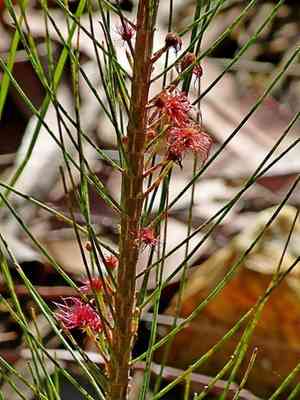
A resilient evergreen tree featuring delicate branches and acicular leaves, black she oak thrives with judicious trimming. Perform pruning in early spring or late winter, refraining from cuts during summer to lessen strain. Eliminate deceased or ailing wood and sculpt the crown to foster air movement and light access. Reducing branch density aids in averting fungal problems and stimulates robust development. Consistent trimming preserves visual attractiveness and manages dimensions. Consult local gardening directives for further region-specific recommendations.
Advantages of Trimming Black She Oak
Advantages of Trimming Black She Oak
Trimming black she oak is beneficial as it encourages robust development and helps preserve its form. Pruning eliminates lifeless or unhealthy limbs, fosters dense foliage, and can enhance air circulation, thereby lowering the risk of pests and diseases.
Optimal Period for Trimming Black She Oak
Optimal Period for Trimming Black She Oak
Trimming during early spring and late winter ensures that black she oak is cut back before its period of active growth commences. This timing is perfect because the plant remains in a dormant state, which minimizes stress and potential harm. Furthermore, cutting back during these times aids in promoting healthy growth and can boost flowering. Avoid pruning in late spring or summer, as this can remove buds and decrease the flowering potential for the current year.
Necessary Tools for Trimming Black She Oak
Bypass Pruners
Perfect for making neat cuts on smaller branches and stems. Crucial for removing dead or damaged growth without crushing plant tissue.
Loppers
Appropriate for cutting thicker branches up to 2 inches in diameter. Provides leverage for clean cuts on black she oak's larger branches without causing unnecessary harm.
Pruning Saw
Required for cutting larger branches that cannot be managed by loppers or pruners. Ensures efficient trimming of black she oak's more substantial limbs.
Pole Pruner
Useful for reaching elevated branches without requiring a ladder. Allows for safe and effective trimming of black she oak's upper growth.
Pruning Shears
Good for shaping and maintaining the overall look of black she oak. Aids in detailed trimming work and tidying up small, awkward branches.
Cleaning Alcohol
Essential for sanitizing pruning tools before and after use. Prevents the spread of diseases that can harm black she oak.
How to Trim Black She Oak
Inspection
Examine black she oak thoroughly for any lifeless or diseased branches to accurately identify the parts that need removal.
Tools
Ensure the use of clean, sterilized pruning shears or saws to prevent the spread of disease.
Removal dead
Carefully cut away any dead branches at their base, making clean cuts close to the trunk or main limb without damaging the surrounding tissue.
Removal diseased
Prune diseased branches at least 6 inches below the visible signs of disease. Dispose of the diseased material to prevent contamination.
Cleanup
After pruning, disinfect your tools and clean up any fallen branches or trimmings to maintain a healthy environment for black she oak.
Common Trimming Errors with Black She Oak
Improper Technique
Using dull or unsuitable tools can harm the branches. Poor cutting angles may also lead to inadequate healing.
Excessive Pruning
Removing too much foliage or too many branches can stress the plant and impede its growth.
Pruning During Active Growth
Trimming while the plant is actively growing can shock it, leading to reduced health and vigor.
Ignoring Diseased or Dead Branches
Failing to remove unhealthy branches can allow diseases to spread to healthy parts of the plant.
General Trimming Advice for Black She Oak
Use Sharp, Clean Tools
Always use sharp and sterilized pruning shears or saws to make clean cuts, which helps the plant heal faster.
Make Precise Cuts
Cut at a slight angle, just above a node or bud, to promote healthy growth and proper healing.
Start Small
Especially for novices, it's better to remove a small amount and observe how the plant responds, rather than risk over-pruning.
Focus on Dead or Diseased Wood
Prioritize removing any dead, damaged, or diseased branches to maintain overall plant health.
Shape for Structure
Black she oak benefits from structural pruning to maintain its shape and prevent overcrowding. Aim to open up the canopy for better light penetration and air circulation.



