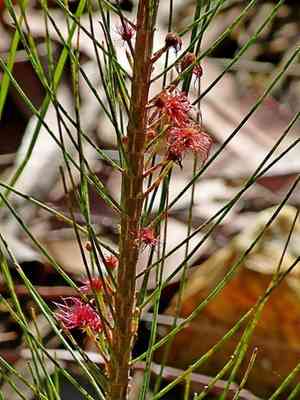
Black she oak (Allocasuarina littoralis)
Also known as: Black She-oak, Coastal She-oak
The Drooping She-oak (Allocasuarina verticillata) is a fast-growing, evergreen tree native to Australia. It is essential for the endangered Yellow-tailed Black-cockatoo, offering seeds as a food source. Additionally, its wood is highly valued for producing excellent fuel and charcoal.
In This Article
Attributes of Black she oak
Lifespan
Perennial
Plant Type
Tree
Plant Height
10-15 meters
Spread
4-8 meters
Leaf Color
Green
Flower Size
N/A
Flower Color
Brownish-red (male flowers), Red (female flowers)
Images of Black she oak
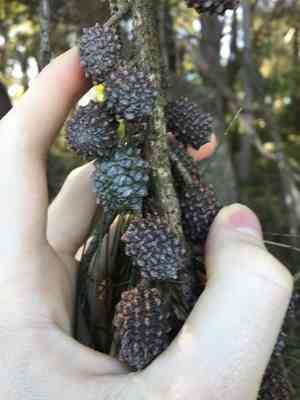
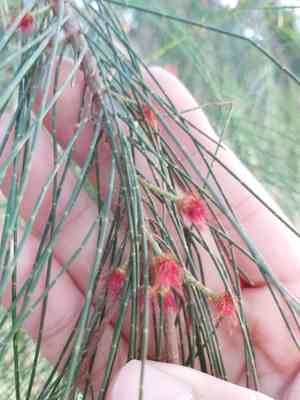
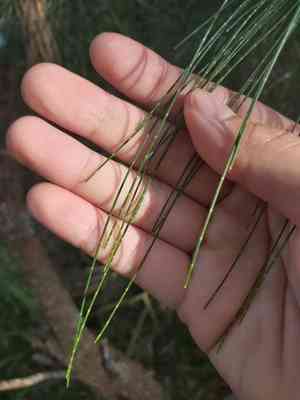
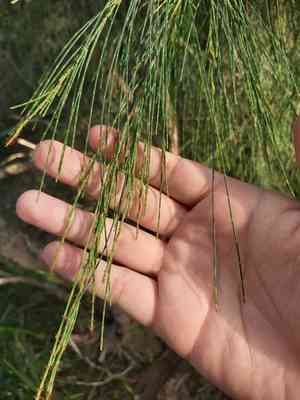
Quickly Identify Black she oak
1
Allocasuarina littoralis can be identified by its fine, needle-like foliage, dark and rough bark, and small, woody cones. The male flowers are spiked, while the female cones are oblong and woody.
Scientific Classification of Black she oak
Phylum
Vascular plants
Class
Dicotyledons
Order
Fagales
Family
Sheoaks
Genus
She-oak
Species
Black she oak
Planting and Growing of Black she oak
Care Difficulty
Moderate
Watering Schedule
Every 2 days
Sunlight Requirements
Full sun
Sunshine Duration
4-6 hours
Ideal Temperature
60-75℉
Soil Type
Potting Mix, Peat Mix
Soil pH
6-8
Fertilizer Type
Balanced
Pruning Season
Spring, Summer
Pruning Area
Branches, Leaves
Pruning Frequency
2 times a year
Repotting Season
Spring
Pot Type
Plastic, Ceramic
 How to Water Black she oak?
Allocasuarina littoralis thrives with deep watering rather than frequent shallow splashes. Ensure the water penetrates the soil thoroughly, about 500 ml per session, to promote a robust root system while allowing the soil to dry slightly between waterings.
What are the symptoms of an underwatered Black she oak?
›
What should I do if my Black she oak is not getting enough water?
›
What are the symptoms of an overwatered Black she oak?
›
How to save an overwatered Black she oak?
›
 What Are the Sunlight Requirements for Black she oak?
Allocasuarina littoralis prefers partial to full sunlight. Proper lighting promotes robust foliage and healthy overall growth, elevating the plant's ornamental attributes and resilience.
What type of sunlight does Allocasuarina littoralis prefer?
›
How can I achieve ideal lighting for this plant?
›
What benefits does ideal light provide?
›
 What Is the Ideal Temperature Range for Black she oak?
Allocasuarina littoralis thrives best within a temperature range of 60 to 75 degrees Fahrenheit. This range ensures optimal metabolic processes and healthy growth. Maintaining such temperatures can result in lush and robust foliage, contributing to the plant's overall well-being.
 What Soil is Best for Black she oak?
Allocasuarina littoralis thrives in well-draining soil because it prevents root rot by ensuring excess water doesn't linger around the roots. This kind of soil allows the plant roots to breathe and absorb the necessary nutrients efficiently. While drainage is crucial, maintaining adequate moisture is equally important. Sandy loam or loam soils strike a balance, offering the right amount of moisture without becoming waterlogged, which supports the plant’s growth and health. Allocasuarina littoralis can benefit from a nutrient-rich soil. Even in its native sandy habitat, the presence of organic material enhances growth and supports vigorous plant health by providing essential nutrients.
 How to Fertilize Black she oak?
Allocasuarina littoralis requires a balanced nutrient supply. For liquid fertilizers, mix 10 ml per liter of water when applying. For slow-release granules, use 200 grams evenly distributed around the base of the plant. Ensure the soil is moist before applying to avoid any shock.
 How to Prune Black she oak?
First, identify dead, diseased, or overgrown branches that need to be removed. These branches often have discolored leaves or reduced growth. Removing them helps redirect energy to healthier parts of the tree. Use sharp pruning shears for smaller branches and a pruning saw for larger ones. Cut at a 45-degree angle just above a node. This encourages healthy new growth and reduces the chance of disease entering the cuts. Shape the tree by removing branches that disrupt its natural form. This not only enhances aesthetic appeal but also ensures even sunlight distribution, fostering overall plant health.
More About Pruning Techniques→
 How to Propagate Black she oak plant?
1
Collect seeds from mature cones or take semi-hardwood cuttings from healthy plants. Ensure that seeds are viable and that cuttings are disease-free for better success rates.
2
Plant seeds in a tray of quality potting mix, lightly covering them. For cuttings, remove lower leaves and dip the cut end into rooting hormone powder before planting.
3
Place trays or pots in a well-lit area out of direct sunlight. Maintain consistent moisture in the soil and provide warmth to encourage germination or rooting.
 How to Repot Black she oak plant?
1
Look for signals such as roots growing out of drainage holes, the plant appearing top-heavy, or soil that dries out too quickly. These signs indicate it's time to repot Allocasuarina littoralis.
2
Select a pot that's just one size larger than the existing one. Ensure it has ample drainage holes to prevent waterlogging, which can lead to root rot—an ideal match for this coastal plant's needs.
3
Opt for a well-draining sandy mix to mimic its natural habitat. This choice prevents compacted roots and water stagnation, providing a conducive environment for healthy growth.
Learn More About Black she oak Diseases
Anthracnose
Bacterial Leaf Spot
Bacterial Wilt
Crown Gall
Cyst Nematode
Damping-off
Downy Mildew
Drought Stress
Fusarium Wilt
Gray Mold
Leaf Spot
Nutrient Deficiency
Nutrient Toxicity
Powdery Mildew
Root Rot
Root-knot Nematode
Rusts
Sooty Mold
Spider Mites
Temperature Stress
Thrips Damage
White Mold



