How to Prune Round-headed leek?
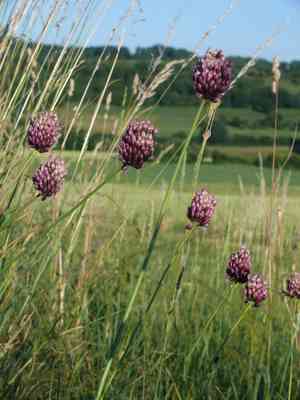
A perennial bulbous plant, Allium sphaerocephalon is distinguished by its spherical flower heads situated on elongated stalks. Trimming entails removing faded blossoms to stimulate fresh development and preserve visual appeal. This maintenance should occur in the spring and summer, aligning with the periods following flowering and during active growth. For Allium sphaerocephalon specifically, pruning reduces the plant's energy expenditure on seed formation, thereby boosting bulb strength. Meticulous removal solely of the withered flower stems guarantees that energy is redirected towards bulb maturation, improving the plant's lifespan and overall health.
What Are the Benefits of Pruning Round-headed Leek?
What Are the Benefits of Pruning Round-headed Leek?
Trimming round-headed leek promotes robust development by stimulating new growth. By selectively removing parts of round-headed leek, gardeners maintain its desired form, enhancing both vitality and visual appeal.
What Is the Best Time for Pruning Round-headed Leek?
What Is the Best Time for Pruning Round-headed Leek?
For round-headed leek, late spring to early summer is the optimal period for trimming or cutting. During late spring, the danger of frost has passed, minimizing potential cold damage to freshly cut tissues. This timeframe also coincides with the start of the plant's active growth phase, allowing it to recover quickly and direct energy into new development. By pruning in early summer, gardeners can remove faded flower stalks just after round-headed leek has bloomed, which prevents the plant from expending energy on seed production and encourages a focus on vegetative growth. This timing ensures the plant maintains vigor, exhibits healthy growth patterns, and prepares for winter dormancy in an ideal state. Pruning during these seasons helps preserve the structural integrity of round-headed leek, improves air circulation within the foliage, and reduces the likelihood of disease.
What Tools Do I Need to Prune Round-headed Leek?
Bypass Pruners
Perfect for making precise cuts on round-headed leek's slender stems, ensuring clean and healthy cuts that foster good plant vitality.
Sharp Scissors
Suitable for snipping off round-headed leek's spent flower heads or seed pods; must be sharp to prevent damage to the delicate stem tissue.
Gardening Gloves
Protective gear to prevent potential skin irritation from round-headed leek's sap or accidental nicks during the trimming process.
Cleaning Solution
Used for sanitizing pruning tools before and after use on round-headed leek to prevent the spread of illness.
Garden Waste Bag
To collect and dispose of round-headed leek's trimmed foliage and flower stalks, maintaining a tidy pruning area.
How to Prune Round-headed Leek
Diagnosis
Examine round-headed leek thoroughly, identifying any diseased or withered leaves and unhealthy stems that require removal.
Sterilization
Before you begin trimming, sanitize your pruning tools with alcohol or a bleach solution to prevent the spread of disease.
Removal Leaves
Using your sterile pruning tools, carefully cut away any diseased or withered leaves from round-headed leek, making sure to avoid harming healthy foliage.
Removal Stems
Locate the base of any diseased stems on round-headed leek and trim them back to the point of healthy growth, ensuring a clean cut to promote better healing.
Disposal
Discard all removed diseased material far from round-headed leek and other healthy plants to prevent potential spread of pathogens.
Common Pruning Mistakes with Round-headed Leek
Over-Pruning
Removing too much foliage from round-headed leek at once can shock the plant, leading to poor growth or even plant death.
Incorrect Cuts
Making cuts that are either too close to the bulb or too far from it can damage the plant and hinder its ability to heal properly.
Pruning Healthy Foliage
Cutting away healthy leaves and stems unnecessarily can reduce the photosynthetic area needed for round-headed leek's growth and flower production.
Not Sterilizing Tools
Using unsterilized pruning tools can introduce diseases to round-headed leek, as the cuts create entry points for pathogens.
Pruning During Active Growth
Pruning round-headed leek when it is actively growing can interrupt its natural growth cycle and lead to stress.
Common Pruning Tips for Round-headed Leek
Sharp Tools
Use sharp and clean pruning shears to ensure clean cuts that round-headed leek can heal from quickly and efficiently.
Selective Pruning
Focus on removing only dead or damaged foliage to maintain plant health and appearance without compromising its vigor.
Cutting Angle
Cut at a 45-degree angle to avoid water accumulation on the cut surface, which could lead to rot or fungal infection in round-headed leek.
Timely Removal
Remove spent flowers promptly to direct round-headed leek's energy toward bulb development and next season's growth, rather than seed production.
Monitor Plant Health
Regularly check round-headed leek for signs of disease or pest infestation while pruning to address any issues promptly and prevent spread.



