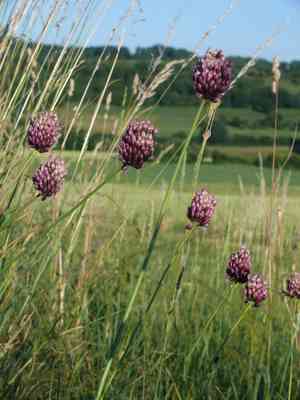
Round-headed leek (Allium rotundum)
Also known as: Round-headed sand leek
The society garlic (Tulbaghia violacea) is celebrated for its attractive dark purple blooms. Known for its strong garlic-like scent, it effectively repels many insects, including mosquitoes, making it a popular ornamental choice for gardens.
In This Article
Attributes of Round-headed leek
Lifespan
Perennial
Plant Type
Herb
Plant Height
25 cm to 90 cm
Spread
30 cm to 50 cm
Leaf Color
Green
Flower Size
7 mm
Flower Color
Purple
Images of Round-headed leek
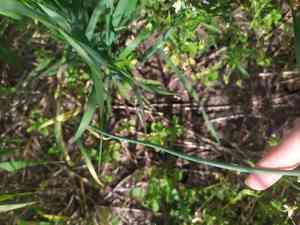
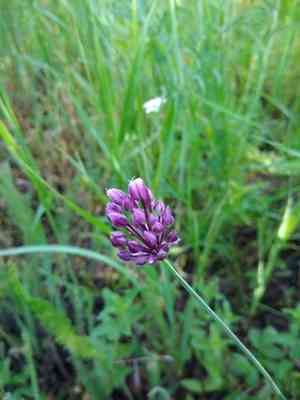
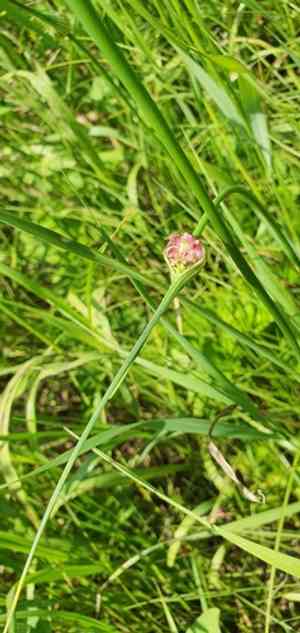
Quickly Identify Round-headed leek
1
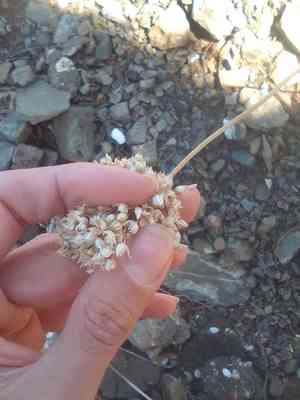
Identification of Allium rotundum can be done by observing its round, compact flower heads which are typically purple or pink. The leaves are slender and green and often have a mild garlic scent. The plant has an upright growth habit.
Scientific Classification of Round-headed leek
Phylum
Vascular plants
Class
Monocotyledons
Order
Asparagales
Family
Amaryllis
Genus
Onions
Species
Round-headed leek
Planting and Growing of Round-headed leek
Care Difficulty
Easy
Watering Schedule
Every 2 days
Sunlight Requirements
Full sun
Sunshine Duration
4-8 hours
Ideal Temperature
60-75℉
Soil Type
Potting Mix, Peat Mix
Soil pH
6.5-7.5
Fertilizer Type
Balanced
Pruning Season
Spring, Summer
Pruning Area
Branches, Leaves
Pruning Frequency
2 times a year
Repotting Season
Spring
Pot Type
Ceramic, Plastic
 How to Water Round-headed leek?
Allium rotundum, commonly known as the round-headed garlic, needs a modest amount of water. Aim for about 500 milliliters per watering session. Ensure the water reaches the roots fully but does not make the soil soggy. The key principle is to maintain a moisture level that emulates a well-drained environment for optimal growth.
What are the symptoms of an underwatered Round-headed leek?
›
What should I do if my Round-headed leek is not getting enough water?
›
What are the symptoms of an overwatered Round-headed leek?
›
How to save an overwatered Round-headed leek?
›
 What Are the Sunlight Requirements for Round-headed leek?
Partial to full sun exposure is optimal, allowing for robust growth and maximum flowering potential. Ideal light conditions support Allium rotundum's vitality, leading to lush foliage and an abundance of vibrant blooms.
More About Sunlight Requirements Techniques→
What is the ideal lighting condition for Allium rotundum?
›
How can I achieve the ideal light conditions for my Allium rotundum?
›
What benefits does the ideal light condition offer to Allium rotundum?
›
 What Is the Ideal Temperature Range for Round-headed leek?
Maintaining an ideal temperature range of 60-75°F ensures optimal growth for Allium rotundum. Within this temperature range, enzymatic activities are at their best, and the plant's cellular metabolism can function efficiently. This environment supports healthy foliage development and robust flowering.
 What Soil is Best for Round-headed leek?
Allium rotundum thrives in well-drained soil that prevents waterlogging, which can lead to root rot and other fungal diseases. Ensuring good drainage enhances root health, fostering robust growth and vibrant blooming. The plant benefits from a nutrient-rich substrate that provides essential minerals and organic matter, supporting its vigorous growth and flowering. Regularly amending the soil with compost can meet these needs. Allium rotundum prefers a neutral pH range, which optimizes nutrient availability and absorption. Maintaining this balance ensures the plants receive all necessary nutrients for healthy development.
 How to Fertilize Round-headed leek?
For Allium rotundum, the ideal fertilizer amount is moderate, ensuring you provide enough nutrients without overwhelming the plant. Using half the recommended dose on the fertilizer packaging is often sufficient. This plant doesn't require heavy feeding, so err on the side of caution.
 How to Prune Round-headed leek?
Begin pruning by removing any spent flower stalks. Cut these stems all the way down to the base of the plant, ensuring that you do not damage the surrounding leaves. This helps the plant conserve energy and may encourage more robust growth. Trim any yellow or wilting foliage during the spring. Be careful not to cut healthy green leaves as they are essential for photosynthesis and overall energy storage, especially for bulbous plants like Allium rotundum. If your Allium rotundum has become too dense, you can carefully thin out the plant by cutting back some of the excess shoots. This should be done sparingly to maintain the plant's natural form while improving air circulation.
More About Pruning Techniques→
 How to Propagate Round-headed leek plant?
1
Fill seed trays with a well-draining seed-starting mix. Moisten the soil lightly with water before sowing the seeds. This ensures that the environment is suitable for seed germination and helps the seeds absorb the necessary moisture.
2
Sprinkle Allium rotundum seeds evenly over the prepared seed trays. Lightly cover them with a thin layer of soil, about 0.5 cm. Sow during early spring to give the seeds ample time to germinate as the weather warms up.
3
In early spring, carefully dig around the mature Allium rotundum plants using a garden spade. Lift the clump and gently separate the bulbs by hand. Replant the divisions in well-prepared soil, maintaining the same depth as they were in originally.
 How to Repot Round-headed leek plant?
1
Watch for signs like roots growing out of drainage holes or new growth appearing stunted. These indicators show that Allium rotundum has outgrown its pot and needs a larger space to thrive.
2
Select a pot that is just one size bigger than the current one. This prevents excessive soil moisture accumulation, reducing the risk of root rot while providing sufficient space for root growth.
3
Utilize a well-drained sandy loam mixture to ensure adequate drainage and aeration. Such a medium mimics the plant's natural habitat, promoting healthier growth and preventing waterlogging.
Toxicity
Ingestion
WARNING
The judgment on toxicity and danger is for reference only. We DO NOT GUARANTEE any accuracy of such judgment. Therefore, you SHALL NOT rely on such judgment. It is IMPORTANT TO SEEK PROFESSIONAL ADVICE in advance when necessary.
Learn More About Round-headed leek Diseases
Anthracnose
Bacterial Leaf Spot
Bacterial Soft Rot
Bacterial Wilt
Chemical Injury
Cyst Nematode
Damping-off
Downy Mildew
Drought Stress
Fusarium Wilt
Gray Mold
Leaf Spot
Mosaic
Nutrient Deficiency
Nutrient Toxicity
Powdery Mildew
Root Rot
Root-knot Nematode
Rusts
Spider Mites
Temperature Stress
Thrips Damage
White Mold



