Enhancing Your Garden Design with the Round-headed leek Plant: A Landscaping Guide
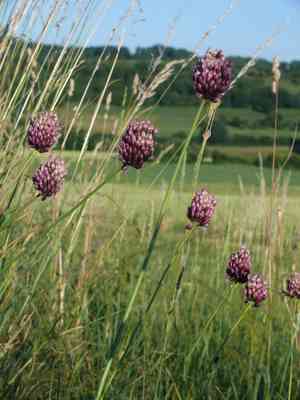
1
Round-headed leek needs little care, making it ideal for gardeners with limited time.
2
Round-headed leek draws in many pollinators, boosting local ecological diversity.
3
Place Round-headed leek in a bright location for best development and blooms.
Introducing Allium sphaerocephalon in Garden Design
Understanding the function of Allium sphaerocephalon in ecological and visual landscape planning
In garden design, Allium sphaerocephalon plays a vital role not only in boosting your garden's visual appeal but also in fostering ecological equilibrium. Allium sphaerocephalon is prized for its distinct spherical flower heads that lend a charming, structured look to various garden environments. Beyond its beauty, Allium sphaerocephalon contributes to the garden's ecosystem by supporting pollinators and promoting biodiversity. When thoughtfully incorporated into landscape schemes, Allium sphaerocephalon can create aesthetically pleasing and environmentally sound areas.
The visual impact of Allium sphaerocephalon when incorporated into garden layouts
Regarding visual charm, Allium sphaerocephalon can be transformative for garden layouts. Its unique globe-shaped blooms and vivid colors offer a striking focal point. Whether planted in clusters or as a solitary specimen, it captures attention and adds depth to the garden's design. Furthermore, Allium sphaerocephalon complements a range of garden styles, from formal gardens to more informal, naturalistic settings.
Advantages of Selecting Allium sphaerocephalon for Your Garden
Low maintenance requirements of Allium sphaerocephalon making it an ideal choice for busy gardeners
One of the key benefits of Allium sphaerocephalon is its minimal care demands. This robust plant flourishes with little intervention, making it a superb option for those who enjoy gardening but have limited time. Allium sphaerocephalon needs little more than occasional watering and trimming to maintain its prime condition. This ease of care means you can enjoy a beautiful garden feature without constant upkeep.
Attracts beneficial insects: How Allium sphaerocephalon can support local wildlife
Another significant advantage of Allium sphaerocephalon is its capacity to draw in pollinators like bees and butterflies. This plant serves as an important nectar source, which aids in sustaining healthy populations of these vital species. By cultivating Allium sphaerocephalon, you can contribute to the local ecosystem, encouraging biodiversity and enhancing your garden's overall health.
How to Incorporate Allium sphaerocephalon into Your Landscape
Selecting the optimal spot in your garden for Allium sphaerocephalon
Correct placement is essential for successfully integrating Allium sphaerocephalon into your landscape. Choose a sunny location where the plant can receive ample light, as this is crucial for its development and blooming. Additionally, ensure the ground is well-drained to prevent waterlogging, which can be harmful to the plant. Consider the overall garden scheme and how Allium sphaerocephalon can best complement other elements in your garden.
Companion plants that thrive alongside Allium sphaerocephalon
To create a harmonious and flourishing garden, consider pairing Allium sphaerocephalon with companion plants that thrive in similar conditions. Perennials such as ornamental grasses, lavender, and other Allium varieties can create a cohesive look and support a healthy garden ecosystem. These companions can enhance aesthetic appeal while providing mutual benefits in terms of growth and pest resistance.
Seasonal Considerations for Allium sphaerocephalon
Optimal time of year to plant Allium sphaerocephalon in various climate zones
The ideal planting period for Allium sphaerocephalon varies depending on your climate zone. Generally, the best time to plant is in the autumn, allowing the bulbs to establish roots before winter. However, in colder regions, it might be preferable to plant in early spring once the risk of frost has passed. Understanding your local climate and seasonal patterns is vital for ensuring the successful growth of Allium sphaerocephalon.
Managing end-of-season care for Allium sphaerocephalon
As the growing season concludes, Allium sphaerocephalon requires some end-of-season attention to prepare for the next cycle. After flowering, allow the foliage to naturally wither, as this helps the plant store energy for the subsequent year. Trim back any dead or yellowing leaves and ensure the soil remains well-drained during the winter months. These practices will help maintain the health and vigor of Allium sphaerocephalon year after year.
FAQs About Allium sphaerocephalon in Garden Design
How does Allium sphaerocephalon impact soil quality?
Allium sphaerocephalon can positively influence soil quality by preventing erosion and contributing organic matter as it decomposes. The plant's root system helps stabilize the soil, reducing erosion, and its decayed foliage returns nutrients to the soil, improving its fertility over time.
Can Allium sphaerocephalon endure severe frosts or is it better suited for warm climates?
Allium sphaerocephalon is quite resilient and can tolerate moderate frosts, making it suitable for various climates. However, in areas with particularly harsh winters, it may need some protection, such as mulching, to prevent frost damage. In warmer climates, Allium sphaerocephalon can thrive with minimal concern for frost, provided it is kept adequately watered during dry spells.



