How to Prune Lily leek?
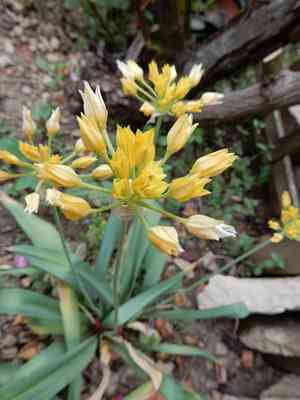
This enduring herbaceous species, recognized for its vibrant yellow blossoms and elongated foliage, flourishes with little upkeep. Trimming of lily leek ought to concentrate on excising faded flower stems after blooming to stimulate fresh development and preserve visual appeal. Lifeless or impaired leaves may be cut back when necessary. The most suitable periods for pruning are in spring, summer, and autumn, aligning with its vigorous growth periods. Pruning not only neatens the plant but can also deter unwanted self-propagation.
What Are the Benefits of Pruning Lily Leek?
What Are the Benefits of Pruning Lily Leek?
Trimming lily leek promotes more abundant flowering, stimulates vigorous development, and assists in maintaining its desired form, enhancing its decorative appeal and vitality. Strategic cuts can prevent congestion, improving light exposure and air circulation.
What Is the Best Time for Pruning Lily Leek?
What Is the Best Time for Pruning Lily Leek?
Pruning lily leek from late spring to early summer, immediately after blooming, is advantageous to avoid cutting off next year's flowers, as lily leek forms buds soon after blooms fade. This aligns with the end of lily leek's active growth phase, enabling gardeners to shape the plant and remove spent flowers to encourage healthy growth and prepare it for the subsequent flowering season. Additionally, removing any damaged or diseased foliage in autumn prevents disease spread and readies the plant for winter.
What Tools Do I Need to Prune Lily Leek?
Hand Pruners
Perfect for cutting through the slender stalks of lily leek, allowing for precise snips to remove faded flowers or to thin out dense growth.
Scissors
Useful for deadheading the small, delicate blooms of lily leek, offering control and causing minimal harm to surrounding foliage.
Gardening Gloves
Recommended to shield the gardener's hands from cuts and dirt while handling lily leek during trimming tasks.
Pruning Saw
Generally not needed for lily leek due to its thin stems, but can be employed if there's a need to remove old, thickened clumps during division.
How to Prune Lily Leek
Cleaning Tools
Before beginning the pruning process, ensure all trimming tools are clean and sanitized to prevent the transmission of disease to lily leek.
Removing Diseased Leaves
Carefully inspect lily leek for any indications of diseased leaves. Using your pruning shears, selectively remove any leaves that are discolored or have unusual markings, cutting at the base of the affected leaf.
Eliminating Withered Leaves
Identify withered or dead leaves on lily leek. These leaves often appear dry, brown, and brittle. Gently trim these leaves at their base without harming healthy adjacent foliage.
Deadheading Flowers
Once the flowers of lily leek begin to fade and wither, it's essential to perform deadheading. Snip the withered flower heads at the stem below the spent blossom to encourage new growth and prevent self-seeding if undesired.
Cleanup
After pruning lily leek, gather and dispose of all the trimmed diseased and withered leaves and flower parts to keep the area tidy and deter pests and diseases from establishing.
Common Pruning Mistakes with Lily Leek
Overpruning
Inexperienced gardeners might remove too much foliage from lily leek, which can weaken the plant and reduce its vigor. Lily leek generally requires minimal pruning; cutting back too much can affect its ability to photosynthesize and store energy for the next growing season.
Improper Cut Locations
An incorrect technique such as cutting too close or too far from the base of lily leek can cause damage to the plant. Inappropriate cut locations can lead to disease entry and pest infestations.
Pruning Healthy Foliage
Some gardeners mistakenly prune healthy leaves and stems in an attempt to tidy up the plant. For lily leek, it's essential to let the foliage die back naturally after blooming, as this process enables the plant to gather enough energy for the next season.
Disregarding Tool Hygiene
Using unclean pruning tools can spread diseases between plants. This oversight can be harmful to lily leek, as the introduction of pathogens might result in infections weakening or even killing the plant.
Ignoring Plant Structure
Failing to consider the natural structure and growth habit of lily leek can lead to suboptimal pruning results, sacrificing potential blooms or plant shape.
Common Pruning Tips for Lily Leek
Minimal Pruning Approach
Understand that lily leek benefits from a light touch. Limit pruning to the removal of dead or diseased foliage to help maintain the plant's health without significant cutting back.
Post-Blooming Cleanup
Once lily leek has finished flowering, wait for the foliage to yellow before removing it. This allows the plant to redirect nutrients back to the bulbs for the next season's growth.
Sharp Clean Tools
Use sharp, sanitized pruning shears to make clean cuts on lily leek, which will minimize damage and lessen the risk of disease. Clean tools after each use to maintain plant health.
Evaluate Plant Health
Regularly assess the health of lily leek. Remove only the diseased or damaged parts of the plant to prevent the spread of decay, while being mindful not to over-prune.
Consider Plant Recovery
When making any cuts, remember that lily leek requires time to heal and recover. Ensure pruning does not coincide with other stressful events for the plant, such as extreme temperatures or drought.



