How to Overwinter Lily leek
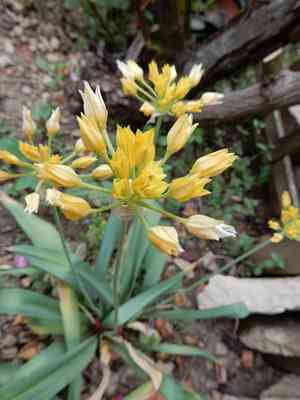
1
Lily leek flourishes in USDA hardiness zones 5 through 9.
2
Apply a mulch layer of 5-10 cm (2-4 inches) to shield Lily leek bulbs from severe cold.
3
Inspect regularly throughout winter for indications of pest issues to avoid harm.
Understanding the Frost Hardiness of Lily leek
Understanding the Frost Hardiness of Lily leek
When preparing to keep your Lily leek through winter, it's vital to know its cold tolerance. Fortunately, Lily leek is quite resilient to frost and can endure temperatures typical of USDA hardiness zones 5 to 9. This means it can survive moderately cold winters without significant harm, provided it receives appropriate care. Grasping this durability helps you make informed choices about the level of protection it needs during colder months.
Preparing Lily leek for Overwintering
When to Start Preparing
Begin preparations for winterizing Lily leek in late autumn, before the initial severe frost. This timing is generally around late October to early November, depending on your local climate. Starting early allows the plant ample time to adjust and ensures it's well-protected before freezing temperatures arrive.
Pruning and Cleaning
Before winter arrives, it's crucial to trim and clean your Lily leek. Remove any dead or damaged leaves and debris from around the plant's base. This practice not only improves air circulation but also reduces potential habitats for pests that might target your plant during winter.
Mulching Techniques
Mulching is one of the most effective methods to safeguard Lily leek through winter. Apply a thick layer of mulch around the plant's base, using organic materials such as straw, hay, or shredded leaves. Aim for a mulch layer of approximately 5-10 cm (2-4 inches). This layer acts as an insulating blanket, helping to stabilize soil temperature and protect the bulbs from freezing and thawing cycles.
How to Protect Lily leek During Winter
Insulating with Straw or Hay
To further protect Lily leek during winter, insulate the plant by surrounding it with straw or hay. This additional layer of insulation offers extra defense against severe temperature drops. Simply place the material around the plant's base, ensuring it covers crucial areas without smothering the plant.
Using Protective Covers
Consider covering your Lily leek with a protective cover during extremely cold periods. Garden fleece or cloches are excellent choices. These covers trap heat and create a microenvironment that can keep your plants warm and safe from frost. Ensure that the covers are securely fastened to prevent them from being blown away by strong winds.
Checking for Pests
Winter does not mean pest issues completely disappear. Regularly inspect your Lily leek for signs of pest infestation, such as small holes in leaves or unusual growth patterns. Early detection ensures you can take appropriate action before the problem worsens. Removing debris and maintaining mulch can help reduce the risk.
Common Issues When Overwintering Lily leek
Root Rot
A common problem when winterizing Lily leek is root rot, often caused by excessively wet soil. To prevent this, ensure the soil drains well and avoid over-watering, especially as the plant enters dormancy. Proper mulching can also help by maintaining moisture balance.
Frost Heaving
Frost heaving occurs when the ground repeatedly freezes and thaws, pushing plant bulbs to the surface and potentially causing damage. Mulching can prevent this by maintaining a stable temperature around the roots, reducing the freeze-thaw cycles.
Pest Infestation
Pest infestations during winter can be particularly damaging because plants are dormant and do not recover quickly. Regular inspections and keeping the area around your Lily leek clean can prevent pests like rodents or insects from harming your plant.
Tips for Post-Winter Care of Lily leek
Gradual Transition to Outdoor Conditions
As the weather warms, slowly expose your Lily leek to outdoor conditions. This transition helps the plant adapt without shock. Begin by gradually removing the mulch and exposing the plant to longer periods of sunlight each day.
Fertilizing Suggestions
Once your Lily leek begins to show new growth, consider applying a balanced fertilizer to give it a strong start. Opt for a 10-10-10 (N-P-K) fertilizer, applying it according to package directions, typically every four to six weeks.
Inspecting for Damage
After winter, thoroughly examine your Lily leek for any signs of damage or disease. Look for damaged foliage, rot, or pests that may have survived the winter. Early detection and treatment can prevent minor issues from becoming major problems.



