The Lily leek Plant Advantage: Maximizing Home and Office Appeal and Wellness
1
Originating from Europe, Lily leek is a adaptable and simple-to-cultivate plant.
2
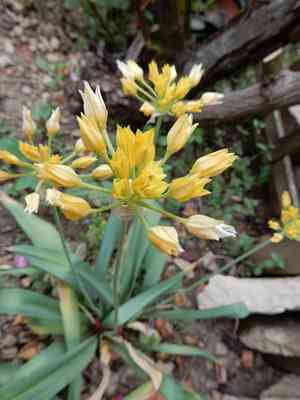
Lily leek provides bright, golden-yellow flowers that improve garden beauty.
3
Utilized as a natural insect deterrent, Lily leek aids in sustaining a thriving garden environment.
Why Select Lily Leek for Your Garden?
Visual Appeal
A primary reason gardeners choose Lily leek is its striking visual charm. The plant showcases vivid golden-yellow blossoms that emerge in clusters, creating a strong color contrast against green foliage. This positions Lily leek as an ideal inclusion for decorative gardens, flower beds, and borders, elevating the overall look of your outdoor area.
Effortless Upkeep
Beyond its beauty, Lily leek is recognized for its simple cultivation. This resilient plant thrives in well-draining soil and can endure various light conditions, from full sun to partial shade. It also possesses strong resistance to pests and diseases, making it an appealing option for both new and seasoned gardeners.
How Does Lily Leek Benefit Garden Ecosystems?
Natural Pest Deterrent
One of Lily leek's less-known advantages is its capacity to function as a natural pest deterrent. This plant contains sulfur compounds that discourage various garden pests, including aphids, carrot flies, and Japanese beetles. By integrating Lily leek into your garden, you can lessen the need for chemical pesticides, fostering a more environmentally friendly setting.
Pollinator Attractor
In addition to warding off pests, Lily leek acts as a magnet for pollinators. Bees, butterflies, and other beneficial insects are drawn to its bright flowers, which offer a valuable nectar source. This can boost your garden's biodiversity, encouraging healthier plants and more abundant yields in fruit and vegetable plots.
What Are the Practical Applications of Lily Leek?
Culinary Uses
Lily leek is not merely a feast for the eyes; it also provides culinary advantages. The plant's leaves and bulbs possess a mild garlic flavor, making them a popular addition to various dishes. Whether utilized fresh in salads or cooked in soups and stews, Lily leek can impart a subtle, aromatic touch to your meals.
Companion Planting
Companion planting represents another practical use for Lily leek. Its inherent pest-repelling qualities make it an excellent companion for vegetables prone to pest issues. Planting Lily leek alongside crops such as tomatoes, peppers, and carrots can aid in protecting these plants, thereby increasing overall garden productivity.
How to Successfully Grow Lily Leek?
Planting Advice
Successful cultivation of Lily leek begins with selecting the appropriate site. Choose a location with well-drained soil and sufficient sunlight. Plant the bulbs at a depth of approximately 4 inches, spacing them 6 inches apart to allow for growth. Water them initially to aid root establishment, but avoid excessive watering.
Care and Maintenance
Once planted, Lily leek demands minimal attention. Water the plant during dry periods, but be careful not to let the soil become waterlogged. You might also apply a balanced fertilizer in early spring to stimulate growth. Removing spent flowers can encourage further blooming, keeping your garden vibrant throughout the season.



