Enhancing Your Garden Design with the Lily leek Plant: A Landscaping Guide
1
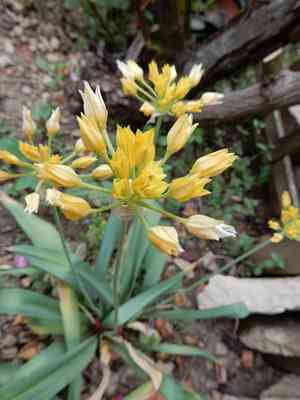
Lily leek introduces vibrant yellow flowers to your outdoor space, enhancing its appeal.
2
Lily leek is adaptable and pairs well with diverse flora for a harmonious aesthetic.
3
Diligent care of Lily leek ensures it stays a prominent feature during its active growth period.
Grasping the Function of Lily leek in Garden Design
Introducing Visual Allure with Lily leek: How Does It Distinguish Itself?
A primary reason gardeners select Lily leek is its striking visual appeal. The vibrant yellow blossoms of Lily leek offer a lively splash of color that can revitalize any garden area. Unlike many plants, Lily leek flowers in late spring and early summer, providing a fresh burst of color when other plants are just beginning to grow. Its distinct look and vivid hue make it an excellent choice for adding excitement and contrast to your garden.
Seasonal Advantages of Lily leek in a Landscape
Lily leek offers numerous seasonal benefits to a landscape. Its flowering period, typically from late spring to early summer, ensures your garden maintains visual interest when other plants might be less prominent. This plant's foliage also remains attractive throughout the growing season, providing lasting greenery even after the flowers fade. This means your landscape retains its lush, vibrant appearance well into autumn.
Complementing Other Plants with Lily leek
The bright yellow flowers of Lily leek complement a wide range of other plants, making it highly adaptable in mixed plantings. You can pair Lily leek with blue or purple-flowered plants for a striking color combination or use it to enhance the greenness of foliage plants. Since Lily leek is relatively low-growing, it works well at the front of borders or in rock gardens where its bright flowers can capture attention without overshadowing taller plants.
Integrating Lily leek into Landscape Layouts
Establishing Focal Points with Lily leek
If you aim to create a focal point in your garden, Lily leek might be the ideal plant. By planting clusters of Lily leek in key locations, such as near entrances or garden benches, you can draw attention and create a visually appealing feature. The bright yellow blooms act as a natural highlight, generating interest and directing the viewer's gaze where desired.
Combining Lily leek with Perennials and Annuals
One of the best ways to highlight Lily leek is to incorporate it with a mix of other perennials and annuals. Its vibrant yellow blooms stand out among both flower types, creating a dynamic and diverse garden scene. When planning your garden beds, consider plants with varying bloom times and heights to create a continuously evolving and harmonious landscape throughout the season. For instance, pair Lily leek with spring-blooming bulbs for a smooth transition from one flower to the next.
Edge Definition: Utilizing Lily leek for Borders and Paths
Lily leek is an excellent option for lining the edges of garden beds, borders, and pathways. Its manageable height and appealing foliage provide a neat, attractive boundary that can define spaces without creating a visual obstruction. Planting Lily leek along paths can guide visitors through your garden, offering a pleasant experience with bright, cheerful blooms along the way.
Maintaining Lily leek in Your Landscape
Seasonal Care Advice for Lily leek
Maintaining Lily leek is relatively simple, making it an excellent choice for both new and experienced gardeners. During its active growth period, Lily leek requires consistent watering, especially in dry spells, to ensure healthy development. Removing spent flowers can encourage more blooming and maintain a neat appearance. In autumn, you can cut back the foliage to prepare the plant for winter. Additionally, applying a layer of mulch can help protect the bulbs from extreme cold and provide essential nutrients.
Addressing Common Landscape Issues for Lily leek
Lily leek is generally robust but may encounter some common challenges, such as pests and diseases. Aphids are known to target Lily leek, so regular inspection and prompt treatment with insecticidal soap can keep these pests at bay. Fungal problems can arise in poorly-drained soil, so ensuring your garden has adequate drainage is crucial. If you notice signs of disease, removing and discarding affected foliage can prevent its spread. Proper spacing and air circulation around the plants can also significantly reduce the risk of fungal infections.
Reap the Aesthetic Rewards of Lily leek
Showcasing Lily leek in Various Garden Styles
The adaptable nature of Lily leek allows it to integrate well into diverse garden styles. Whether you have a modern, minimalist garden or a lush, traditional cottage garden, Lily leek can enhance your landscape design. In contemporary gardens, its bright flowers provide a bold accent against sleek, clean lines. In more traditional settings, it adds a charming, classic appeal. By incorporating Lily leek into your garden style, you can create a cohesive and attractive look that complements your overall landscape design.
Inspiring Garden Concepts Featuring Lily leek
Inspiration for integrating Lily leek into your garden is boundless. Consider creating a themed garden bed dedicated to yellow flowers, where Lily leek can be a central element. Another idea is to use Lily leek in a bulb garden, combining it with other spring and summer-blooming bulbs for a continuous display of color. You could also create a sensory garden, pairing the bright blooms of Lily leek with aromatic herbs and textured foliage plants to enhance the sensory experience. Whatever your garden style, Lily leek offers ample opportunities to unleash your creativity.



