How to Prune Iodinebush?
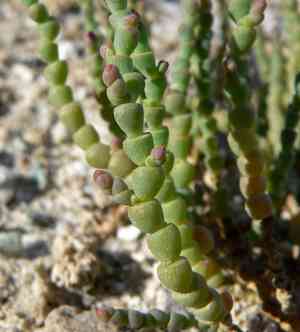
Originating from arid regions, iodinebush flourishes in saline earth, generally needing infrequent trimming. Trim iodinebush during the colder months to eliminate lifeless or compromised limbs and sculpt the plant if preferred. Trimming not only preserves its visual appeal but also fosters robust development by enhancing air movement. For cultivators, this method can regulate its dimensions and stimulate denser foliage, although iodinebush typically maintains itself effectively without intervention due to its resilience in dry habitats.
Advantages of Trimming Iodinebush
Advantages of Trimming Iodinebush
Trimming iodinebush promotes robust development and helps maintain its desired form. Regular cutting eliminates dead or overgrown branches, fostering a healthier and more visually appealing structure.
Optimal Time for Pruning Iodinebush
Optimal Time for Pruning Iodinebush
Pruning iodinebush in late winter is advantageous as the plant enters dormancy during colder months, reducing stress and minimizing sap loss. Pruning before the spring growth cycle allows iodinebush to allocate energy to new, healthy growth, contributing to a more vigorous plant structure and vitality. This timing prevents interrupting the growth cycle or removing developing buds that emerge in spring, which enables iodinebush to maintain optimal health and appearance.
Essential Tools for Pruning Iodinebush
Bypass Pruners
Perfect for making clean cuts on live wood and stems without crushing plant tissues, vital for iodinebush's well-being.
Pruning Saw
Useful for larger, woody branches too thick for pruners, ensuring precise and smooth cuts on iodinebush.
Gardening Gloves
Protects hands from iodinebush's potentially rough or sharp stems, enhancing safety during pruning.
Long-handled Loppers
Provides extended reach and leverage needed to prune higher or deeper branches of iodinebush, allowing easier access without strain.
Steps to Prune Iodinebush
Clean tools
Sanitize all pruning tools before use to prevent disease spread to iodinebush. Use a solution of 1 part bleach to 9 parts water or rubbing alcohol to disinfect blades.
Remove withered leaves
Carefully trim off withered leaves from iodinebush using hand pruners or scissors. This will improve air circulation and focus the plant's energy on healthy growth.
Cut dead branches
Identify and remove dead branches on iodinebush, cutting them back to the base. Ensure sharp, clean tools are used to create a clean cut without damaging adjacent healthy tissue.
Eliminate diseased branches
Prune diseased branches from iodinebush as soon as they are noticed. Make cuts well below affected areas to ensure complete removal of diseased tissues.
Disinfect after cutting
After each cut, especially when removing diseased branches, disinfect pruning tools to prevent pathogen spread to healthy parts of iodinebush or other plants.
Common Pruning Errors with Iodinebush
Excessive pruning
Over-pruning can harm iodinebush, as removing too much foliage at once can stress the plant, leading to stunted growth or even death.
Improper technique
Using dull or dirty tools can cause jagged cuts and invite infection. Clean, sharp tools are essential for making clean cuts that iodinebush can heal from more efficiently.
Neglecting plant structure
Failing to consider the natural shape and growth habit of iodinebush when pruning can result in an unnatural appearance and impede its growth.
Pruning at random
Randomly pruning without a strategy can result in an unbalanced plant and may prevent achieving the desired plant form and health.
Ignoring dead material
Not removing dead or damaged material can hinder iodinebush's growth and invite pests and diseases.
Uniform trimming
Uniformly cutting back all stems of iodinebush to the same length can discourage natural shape and may reduce the plant's vigor.
General Pruning Advice for Iodinebush
Tool selection
Always use sterilized and sharp pruning tools to make clean cuts without harming iodinebush.
Cutting technique
Prune with angled cuts to prevent water accumulation on cut surfaces, reducing disease risk.
Maintaining shape
Shape iodinebush by following its natural form, pruning just above leaf nodes that point in the direction you want the plant to grow.
Incremental pruning
Prune gradually, especially if reshaping is needed. This allows iodinebush to recover between sessions.
Removal priority
Prioritize the removal of dead, diseased, or damaged stems to keep iodinebush healthy and encourage new growth.
Balancing growth
Strive for even thinning of iodinebush's stems, which encourages air circulation and light penetration throughout the plant, promoting overall health.



