The Iodinebush Plant Advantage: Maximizing Home and Office Appeal and Wellness
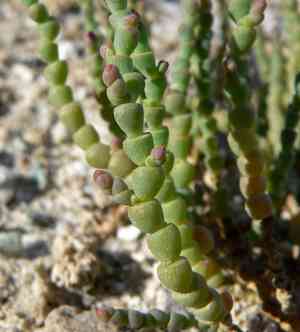
1
Iodinebush tolerates high salt levels well, making it a key plant for saline environments.
2
It offers vital living spaces and sustenance for diverse animal life.
3
Iodinebush proves useful in firming up soil and stopping land degradation.
Why is Iodinebush Crucial for Salinity Control?
Adaptability to Saline Environments
Iodinebush flourishes in highly salty conditions where few other plants can endure. This remarkable resilience enables it to restore and stabilize lands compromised by salinity. The plant's capacity to absorb and excrete salt via specialized glands helps remove excess salts from the soil, improving soil quality and fostering a more favorable environment for other plant species.
Soil Stabilization and Erosion Control
Iodinebush's extensive root system anchors soil particles, significantly lowering erosion risks. Its presence helps guard against topsoil loss during heavy rainfall and floods. By securing the soil, Iodinebush prevents land degradation and preserves ecosystem integrity, ensuring long-term productivity and sustainability.
What Are the Ecological Advantages of Iodinebush?
Habitat and Biodiversity Support
Iodinebush serves as a vital habitat for various wildlife species. Birds, insects, and small mammals find refuge and nesting sites within its dense branches. The plant also provides a crucial food source, supporting food webs and promoting biodiversity in delicate ecosystems.
Contribution to Wetland Ecosystems
Wetlands benefit significantly from Iodinebush's presence. The plant aids in maintaining hydrological balance and supports aquatic and semi-aquatic species. Its deep-rooting system enhances water quality by filtering pollutants and sediments, thereby improving the overall health of wetland areas.
How Can Iodinebush Be Used in Landscaping and Agriculture?
Enhancement in Agricultural Practices
Iodinebush can be planted as a barrier around agricultural fields to shield crops from salinity intrusion. It acts as a natural buffer, boosting soil fertility and reducing reliance on chemical treatments. Additionally, its role in controlling soil erosion can contribute to more sustainable farming methods.
Use in Landscaping and Urban Planning
Due to its hardiness and minimal maintenance needs, Iodinebush is an excellent choice for landscaping in urban areas. Its ability to withstand harsh conditions makes it suitable for green belts and public spaces, where it can enhance aesthetic appeal while contributing to ecological well-being.
What Role Does Iodinebush Play in Carbon Sequestration?
Carbon Absorption Efficiency
Similar to other salt-tolerant plants, Iodinebush is effective at absorbing carbon dioxide. Its extensive biomass and long lifespan mean it can sequester substantial amounts of carbon, making it a valuable contributor to climate change mitigation strategies.
Supporting Climate Resilience
By incorporating Iodinebush into restoration and conservation projects, ecosystems can become more resilient to climatic extremes. The plant's robustness against high salinity and low water availability enhances the overall adaptability of landscapes to changing environmental conditions.
The Potential for Restoration Projects
Revitalizing Degraded Lands
Iodinebush is frequently used in ecological restoration projects to rehabilitate salt-affected and damaged ecosystems. Its ability to grow in challenging environments makes it a pioneer species that can pave the way for subsequent vegetation growth, creating a foundation for ecosystem recovery.
Long-Term Sustainability
Integrating Iodinebush into restoration efforts ensures long-term sustainability. Its presence not only restores ecological balance but also fosters community resilience by improving land quality and supporting local biodiversity.



