How to Prune Mckelvey's century plant?
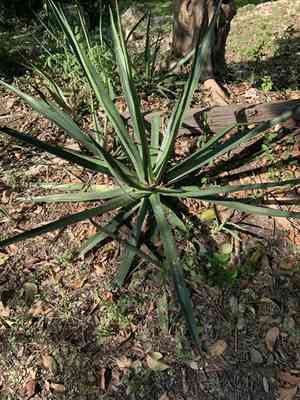
A perennial succulent recognized for its slender foliage adorned with a white band, mckelvey's century plant thrives with little maintenance. Trimming is restricted to eliminating faded flower stems, along with any impaired or deceased leaves, to preserve the plant's health and visual appeal. The ideal period for pruning is in late winter or early spring, prior to the emergence of fresh development. Exercise caution to avoid severing healthy parts, making cuts near the plant's foundation. Pruning improves its look and deters possible decay from decomposing matter.
What Are the Benefits of Pruning Mckelvey's Century Plant?
What Are the Benefits of Pruning Mckelvey's Century Plant?
Trimming mckelvey's century plant encourages robust new development and maintains its intended shape. Eliminating old or overgrown sections enhances air circulation, thereby lowering the risk of pests and diseases.
What Is the Best Time for Pruning Mckelvey's Century Plant?
What Is the Best Time for Pruning Mckelvey's Century Plant?
Pruning mckelvey's century plant in late winter or early spring is recommended as this period coincides with the end of its dormant phase and immediately precedes its active growth season. Trimming at this time minimizes stress on mckelvey's century plant, as the plant is not yet expending energy reserves for new growth, and recovery from pruning is quicker. Additionally, removing spent leaves or any frost damage before the growth spurt allows the mckelvey's century plant's resources to be directed toward producing healthy new foliage. It also helps prevent potential disease by getting rid of any material that can harbor pests or pathogens during the active season. Pruning just before the active growth phase helps ensure that the wounds heal quickly, reducing the risk of infection or infestation.
What Tools Do I Need to Prune Mckelvey's Century Plant?
Long-handled loppers
Perfect for reaching into mckelvey's century plant's dense foliage and cutting through its thick leaves while maintaining a safe distance from the plant's sharp edges.
Thick gloves
Protective wear is essential to prevent hands from being cut by the mckelvey's century plant's coarse and potentially sharp leaf margins.
Sharp pruning shears
Necessary for making clean cuts on thinner leaves and dead material without damaging mckelvey's century plant's surrounding healthy tissue.
Pruning saw
Useful when removing older, woodier parts of the mckelvey's century plant or cutting through particularly thick leaves.
Eye protection
A safety measure to guard eyes against any flying debris while trimming the mckelvey's century plant.
How to Prune Mckelvey's Century Plant
Clean Tools
Ensure all pruning tools are cleaned and sanitized before use to prevent disease spread to mckelvey's century plant. Isopropyl alcohol or a 10% bleach solution can be used for sanitization.
Identify Diseased
Identify and assess any diseased or withered leaves on mckelvey's century plant. Look for leaves that have irregular brown spots, a mushy texture, or a generally unhealthy appearance that distinguishes them from the natural aging process.
Cut Diseased Leaves
Using a sharp, sterilized pair of gardening shears, trim away the diseased leaves from mckelvey's century plant. Cut at the base of the leaf where it connects to the main stem, ensuring a clean cut to promote quick healing.
Remove Withered Leaves
Carefully remove any withered or dry leaves from mckelvey's century plant, which may simply involve gently pulling them away if they are sufficiently desiccated or using the shears if necessary.
Disposal
Dispose of all removed material from mckelvey's century plant properly. Do not compost diseased plant parts as this may spread pathogens. Instead, throw them away in the trash or burn them if regulations permit.
Common Pruning Mistakes with Mckelvey's Century Plant
Overpruning
Removing too much foliage from mckelvey's century plant can shock the plant, inhibiting its growth and reducing its ability to store energy
Improper Cutting
Making cuts that are either too deep or too shallow can lead to infection or damage to mckelvey's century plant's vital tissues
Pruning Inactive Growth
Trimming off the non-spent leaves, which are crucial for photosynthesis and the health of mckelvey's century plant
Disregarding Plant Shape
Failing to consider the natural form of mckelvey's century plant during pruning, which can lead to an unbalanced and aesthetically displeasing shape
Using Dull Tools
Utilizing unsharpened pruning tools that may crush or tear mckelvey's century plant's tissue, leading to potential disease entry points
Common Pruning Tips for Mckelvey's Century Plant
Clean Cuts
Ensure that cuts are made with clean, sharp tools to minimize damage and prevent disease in mckelvey's century plant
Protective Gear
Wear gloves and protective clothing to avoid injuries from mckelvey's century plant's sharp edges while pruning
Remove Only Spent
Focus on removing only the spent leaves and flower stalks to avoid depleting mckelvey's century plant's reserves
Discarding Cuttings
Properly discard all cuttings to prevent rotting or diseases that can affect mckelvey's century plant when left nearby
Plant Health Inspection
Regularly inspect mckelvey's century plant for signs of pests and diseases before and after pruning, to keep the plant healthy



