The Mckelvey's century plant Plant Advantage: Maximizing Home and Office Appeal and Wellness
1
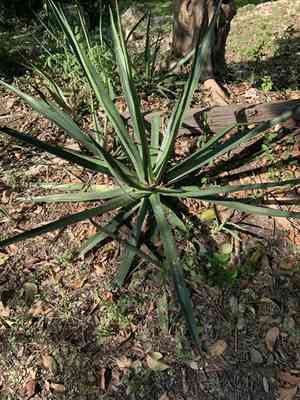
Mckelvey's century plant flourishes in dry climates, making it ideal for water-wise landscaping.
2
It needs little upkeep and tolerates drought exceptionally well.
3
Mckelvey's century plant provides visual charm with its impressive, balanced rosette form.
Why Mckelvey's Century Plant Excels in Xeriscaping
Inherent Drought Resistance
A primary advantage of Mckelvey's century plant is its remarkable ability to withstand drought. Hailing from arid regions, this species has evolved to thrive on minimal water, making it an ideal choice for xeriscaping. This characteristic not only conserves water but also ensures your garden remains vibrant even during dry periods.
Minimal Upkeep Requirements
Beyond its water-saving qualities, Mckelvey's century plant is notable for its low maintenance demands. It needs infrequent pruning and fertilization, allowing gardeners to appreciate its beauty without extensive care. This aspect is especially valuable for busy individuals desiring a stunning garden but lacking time for intensive horticultural tasks.
How Mckelvey's Century Plant Boosts Garden Aesthetics
Striking Visual Appeal
One cannot overlook the aesthetic charm of Mckelvey's century plant. Its symmetrical rosette form and bold, pointed leaves create a dramatic focal point in any garden. Whether positioned centrally in a landscape or used as a border plant, its distinctive look adds an element of sophistication and grace.
Adaptable Landscaping Choices
Versatility in landscaping is another strong point for Mckelvey's century plant. This species can be incorporated into various settings, from rock gardens to contemporary minimalist designs. Its capacity to integrate seamlessly with other plants and garden features makes it a flexible option for diverse landscaping styles.
Does Mckelvey's Century Plant Benefit Local Wildlife?
Pollinator Support
While primarily valued for its appearance and resilience, Mckelvey's century plant also plays a vital role in supporting local wildlife. The plant produces nectar that attracts various pollinators, including bees and butterflies. This not only enhances your garden's biodiversity but also contributes to the overall health of the ecosystem.
Habitat Provision
Beyond attracting pollinators, Mckelvey's century plant aids in creating habitats. Its sturdy structure can offer refuge for small insects and animals, fostering a more dynamic and lively garden environment. This ecological benefit is particularly significant in urban areas where natural habitats are often scarce.
Practical Applications of Mckelvey's Century Plant
Erosion Prevention
Mckelvey's century plant is more than just attractive; it also provides practical benefits like erosion control. Its extensive root system effectively stabilizes the soil, preventing erosion on slopes and in areas prone to water runoff. This functional aspect makes it an excellent choice for gardens located on uneven terrain.
Natural Barrier Creation
Additionally, Mckelvey's century plant can serve as a natural fencing solution. The plant's robust and spiky leaves form a natural barrier that can deter animals and unwanted visitors, offering an eco-friendly alternative to traditional fencing materials. This dual-purpose functionality enhances the utility of your garden space.
Caring for Mckelvey's Century Plant in Your Garden
Optimal Soil Requirements
To ensure Mckelvey's century plant thrives in your garden, providing the correct soil conditions is crucial. The plant prefers well-drained soil with a sandy or rocky composition. Avoid overly fertile soil, as it can lead to root rot and other problems.
Sunlight and Irrigation
Mckelvey's century plant flourishes in full sun, needing at least six hours of direct sunlight daily. Regarding watering, less is preferable. Water the plant sparingly, allowing the soil to completely dry out between waterings. This mimics its natural arid habitat and prevents overwatering, which can be detrimental to its health.



