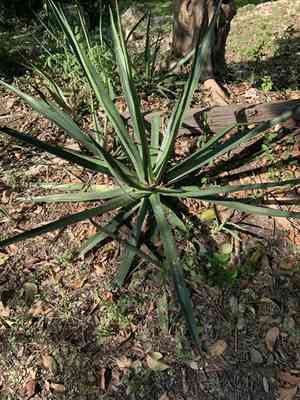
Mckelvey's century plant (Agave univittata)
Also known as: Center-stripe agave
McKelvey's century plant is an ornamental species often used as a striking focal point in gardens. It thrives in dry, well-drained, rocky soil. This plant has received the Garden Merit Award from the Royal Horticultural Society, highlighting its value in garden landscapes.
In This Article
Attributes of Mckelvey's century plant
Lifespan
Perennial
Plant Type
Herb, Shrub
Plant Height
30 cm to 91 cm
Spread
1.5 m
Leaf Color
Yellow Green Pink Variegated Cream
Flower Size
Approximately 3-5 cm (1-2 inches)
Flower Color
Yellow to greenish-yellow
Images of Mckelvey's century plant
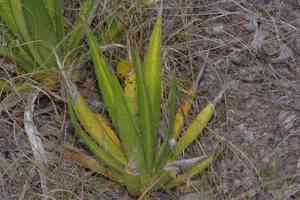
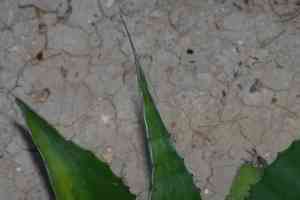
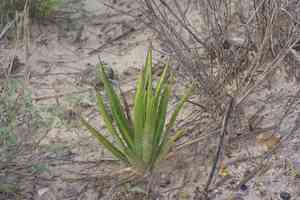
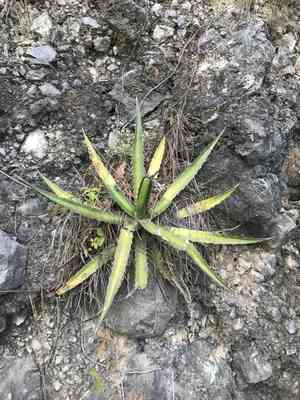
Quickly Identify Mckelvey's century plant
1
Identify Agave univittata by its thick, rigid leaves that have a prominent white or light-colored stripe down the center. The leaves also often feature marginal spines and terminate in a sharp point. It typically forms a compact rosette.
Scientific Classification of Mckelvey's century plant
Phylum
Vascular plants
Class
Monocotyledons
Order
Asparagales
Family
Asparagus
Genus
Agaves
Species
Mckelvey's century plant
Planting and Growing of Mckelvey's century plant
Care Difficulty
Easy
Watering Schedule
Every 2 days
Sunlight Requirements
Full sun
Sunshine Duration
6-10 hours
Ideal Temperature
65-75℉
Soil Type
Potting Mix, Peat Mix
Soil pH
6.5-7.5
Fertilizer Type
Balanced
Pruning Season
Spring, Summer
Pruning Area
Branches, Leaves
Pruning Frequency
2 times a year
Repotting Season
Spring
Pot Type
Plastic, Ceramic
 How to Water Mckelvey's century plant?
For Agave univittata, maintaining a delicate balance when watering is crucial. Aim to provide around 250 ml each time, allowing the soil to become slightly moist without being drenched. Ensure the moisture reaches the root zone but avoid water stagnation.
What are the symptoms of an underwatered Mckelvey's century plant?
›
What should I do if my Mckelvey's century plant is not getting enough water?
›
What are the symptoms of an overwatered Mckelvey's century plant?
›
How to save an overwatered Mckelvey's century plant?
›
 What Are the Sunlight Requirements for Mckelvey's century plant?
Agave univittata thrives in environments with half to full-day sun exposure. Ample light encourages robust growth, vivid leaf colors, and overall plant vitality, allowing it to mimic its natural, sun-drenched habitat.
What is the ideal light exposure for Agave univittata?
›
How can I ensure Agave univittata gets ideal light conditions?
›
What are the benefits of providing the ideal light to Agave univittata?
›
 What Is the Ideal Temperature Range for Mckelvey's century plant?
Agave univittata thrives best in temperatures ranging from 65°F to 75°F. This range provides the plant with the necessary warmth to support its metabolic processes and ensures optimal photosynthesis. Maintaining this temperature helps the plant grow healthily without stress from environmental fluctuations.
 What Soil is Best for Mckelvey's century plant?
Agave univittata thrives in well-drained soil, crucial for preventing root rot. Optimal drainage ensures that the plant doesn’t sit in water, mimicking its native arid environment and allowing the roots to access air, fostering healthier growth. This plant does not require rich, fertile soil. Adapted to thrive in low-nutrient settings, excessive nutrients can hinder its growth. Minimal fertilizers are enough, keeping the plant robust and maintaining its natural growth cycle. Agave univittata favors drier soil conditions, which support its drought-tolerant nature. This reduces the need for frequent watering and protects against overwatering, capturing conditions similar to its native habitat.
 How to Fertilize Mckelvey's century plant?
Agave univittata requires moderate fertilization. When using liquid fertilizers, a dilution ratio of 1/4th the recommended strength is suitable. For granular slow-release fertilizers, about 1 tablespoon per pot or plant base is recommended. Ensure it's spread evenly around the soil surface to prevent root burn.
 How to Prune Mckelvey's century plant?
Begin pruning by sterilizing your shears to avoid spreading disease. Focus on removing any dead or damaged leaves at the base. Cut leaves as close to the base as possible without harming the central stalk. Regularly check the middle of the plant for any signs of pests or fungus. Wear gloves as the plant has sharp edges that can cause injury.
More About Pruning Techniques→
 How to Propagate Mckelvey's century plant plant?
1
Start by collecting ripe seeds from a mature Agave univittata plant. Ensure seeds are dry before sowing. Fill a seed tray with a well-draining soil mix, and scatter the seeds evenly over the surface, covering them lightly with soil.
2
Identify healthy offsets around the base of the parent plant during early summer. Use a sharp knife to carefully cut them away, keeping their roots intact. Allow them to dry for a few days to callus over, preventing rotting once planted.
3
Once the seedlings are robust with several true leaves, transplant them into individual pots. Use a cactus soil mix to ensure proper drainage. Maintain adequate sunlight exposure to encourage strong growth.
 How to Repot Mckelvey's century plant plant?
1
Agave univittata benefits from repotting when you notice it's outgrowing its current pot, evidenced by roots protruding from the drainage holes, or if the soil is no longer draining properly. Repotting during its growth seasons, spring or summer, allows the plant to recover swiftly.
2
Select a pot slightly larger than the current one to accommodate future growth, ideally made from breathable material like terracotta. This prevents water retention and root rot, ensuring the plant stays healthy. Make sure it has drainage holes to allow excess water to escape.
3
Use a well-draining cactus or succulent soil mix to accommodate the agave's preference for dry conditions. This type of soil ensures proper air circulation around the roots and minimizes risk of overwatering, crucial for the plant’s vitality.
Toxicity
Not applicable
WARNING
The judgment on toxicity and danger is for reference only. We DO NOT GUARANTEE any accuracy of such judgment. Therefore, you SHALL NOT rely on such judgment. It is IMPORTANT TO SEEK PROFESSIONAL ADVICE in advance when necessary.



