How to Propagate Mckelvey's century plant?
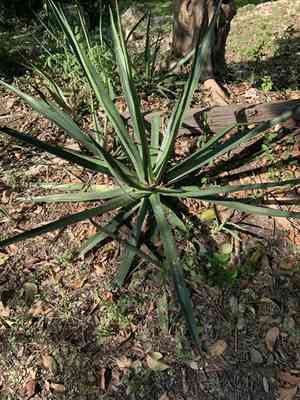
Mckelvey's century plant is a sturdy, enduring succulent proficient at expanding through separation, a technique where cultivators detach fresh offshoots from the parent specimen. Gently detach the juvenile rosettes that emerge around the base once they are sufficiently developed to manage, making sure each possesses a segment of root. Embed these offshoots in porous soil, being cautious not to irrigate excessively. Sufficient illumination and limited interference foster successful rooting, enabling mckelvey's century plant to flourish and develop.
When Is the Optimal Time to Propagate Mckelvey's Century Plant?
Propagation Method
Separation
Propagation Period
Spring,Autumn
What Implements Are Utilized for Mckelvey's Century Plant Propagation?
Sharp Blade or Garden Clippers
These instruments are crucial for making clean cuts through the root system of mckelvey's century plant during the division process. A keen edge ensures a precise cut, minimizing harm to the parent plant and its offshoots. This accuracy aids in preserving the plant's health and enhances the survival rate of new plants.
Gardening Handwear
Handling mckelvey's century plant necessitates protection due to the potentially sharp edges of its foliage. Gloves shield the propagator's hands from cuts and irritation while manipulating the plant during division. This is vital for safe and effective propagation.
Spade or Hand Trowel
Employed for excavating around the base of mckelvey's century plant to carefully extract the plant from the soil. This tool helps in minimizing root damage during removal, which is essential for successful replanting and growth of separated sections.
Root Stimulant (optional)
Although not always required, applying rooting hormone to the cut root sections can promote faster root development in new parts of mckelvey's century plant. This can significantly boost the propagation success rate by fostering healthier, more vigorous root systems in the newly divided plants.
Potting Medium
Following division, the separated offshoots of mckelvey's century plant will need to be repotted. A well-draining potting mix suitable for succulents and cacti provides the ideal environment for the new plants to establish. This blend helps prevent root rot and supports healthy growth.
Identification Supplies (e.g., Tags and Marker)
Properly labeling each new plant with details such as the propagation date and any specific care instructions is crucial for ongoing maintenance and monitoring of the plant's health post-propagation. This ensures customized care for each division according to its growth requirements.
How to Propagate Mckelvey's Century Plant?
Propagation Difficulty
Simple
How to Care for Your Newly Propagated Mckelvey's Century Plant?
How to Care for Your Newly Propagated Mckelvey's Century Plant?
Once the mckelvey's century plant pups are established, gradually increase water and sunlight exposure to match mature plant conditions. Protect from extreme temperatures as mckelvey's century plant do not tolerate frost. Feed with a diluted low-nitrogen fertilizer during the growing season to support healthy growth. Remember, mature mckelvey's century plant are drought tolerant and require minimal watering once fully established.
Common Errors to Avoid When Propagating Mckelvey's Century Plant
Excessive Watering
Overwatering can lead to root rot in mckelvey's century plant, which is particularly susceptible due to its preference for dry conditions. Too much moisture in the soil compromises the plantâs root system, reducing its ability to absorb nutrients and eventually causing the plant to wither and die.
Using poorly draining soil
Employing soil that lacks proper drainage can trap moisture around the roots of mckelvey's century plant, similar to overwatering, increasing the risk of root rot. This species requires a well-draining soil to mimic its natural arid habitat, ensuring that water does not accumulate at the roots.
Excessive handling during propagation
Mckelvey's century plant is prone to damage when handled excessively during the propagation process. This can disturb the delicate root structures or damage the offsets, leading to poor establishment or even death of the propagule.
Advice for Propagating Mckelvey's Century Plant
Utilize offshoots
For successful propagation, carefully detach offshoots from the parent mckelvey's century plant. Ensure that each offshoot has a portion of the root attached. Offshoots are smaller clones that will eventually develop into mature plants, and separating them minimally increases their chance of survival.
Provide bright, indirect illumination
After propagation, position mckelvey's century plant in bright, indirect light. This emulates the natural lighting of its original habitat and encourages healthy growth without the scorching effect that direct sunlight can have on its tender new growth.
Allow soil to dry
Permit the soil to dry out between waterings to match the natural dry conditions mckelvey's century plant thrives in. Consistent drying of the soil prevents moisture-related issues like rot while encouraging robust root growth by mimicking drying periods that mckelvey's century plant experiences in its native environment.



