How to Prune Western giant hyssop?
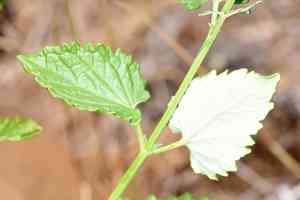
Agastache occidentalis is recognized for its fragrant leaves and elevated floral stalks. Cut back Agastache occidentalis during the latter part of winter or early spring to foster robust development. Remove any lifeless or compromised stems near the ground and sculpt the plant to stimulate a fuller appearance. Refrain from severe trimming, as this may diminish flowering. Consistent trimming aids in preserving the plant's vitality and improves its compact, appealing structure.
Advantages of Trimming Western Giant Hyssop
Advantages of Trimming Western Giant Hyssop
Trimming western giant hyssop encourages robust development and helps maintain an appealing form. Consistent trimming fosters healthier leaves and more abundant blossoms, leading to a strong and visually pleasing plant. It also aids in managing pests and diseases.
Optimal Period for Trimming Western Giant Hyssop
Optimal Period for Trimming Western Giant Hyssop
Trimming western giant hyssop during early spring and late winter is considered ideal due to several factors. In late winter, when the plant is dormant, pruning helps minimize disease risk and shock, as the plant's energy demands are low. Pruning in early spring, just before new growth emerges, promotes vigorous development and optimal blooming. This timing aligns with western giant hyssop's natural growth cycle, ensuring it has ample time to recover and thrive during the growing season. Furthermore, pruning before the flowering period allows the plant to direct its energy into producing healthier and more plentiful blooms.
Tools Required for Trimming Western Giant Hyssop
Hand Pruners
Perfect for precise cuts on individual stems and branches of western giant hyssop, typically under 1/2 inch in diameter.
Bypass Pruners
Excellent for clean cuts on live tissue, ensuring minimal harm and promoting healthy growth in western giant hyssop.
Pruning Shears
Useful for trimming multiple stems simultaneously and creating a uniform shape for western giant hyssop.
Loppers
Essential for cutting thicker stems or woody sections of western giant hyssop that may exceed 1/2 inch in diameter.
Gloves
Shield your hands from potential thorns or rough plant textures while trimming western giant hyssop.
Disinfectant
Crucial for sanitizing tools before and after pruning to prevent disease transmission in western giant hyssop.
How to Trim Western Giant Hyssop
Define tools
Gather pruning shears and wear gloves to protect your hands from any rough or sharp surfaces of western giant hyssop.
Identify target areas
Examine western giant hyssop closely to identify and locate any diseased or withered leaves that need removing.
Diseased leaves removal
Carefully cut away the diseased leaves at the base of their stems, ensuring not to damage healthy parts of the plant. Dispose of these leaves away from the plant to prevent disease spread.
Withered leaves removal
Trim off any withered leaves, cutting back to a point just above a leaf node or healthy part of the stem. This encourages healthy growth and flowering by redirecting nutrients.
Clean up and inspect
After pruning, clear away all debris from around western giant hyssop to reduce the risk of pest infestations. Follow up with a close inspection to ensure no diseased or withered parts are missed.
Common Trimming Errors with Western Giant Hyssop
Incorrect Technique
Using unsuitable tools or making improper cuts can harm western giant hyssop. Avoid jagged cuts by ensuring shears are sharp and making clean, straight cuts.
Over-Pruning
Removing too much foliage can stress western giant hyssop and hinder its growth. It's vital to avoid cutting back more than one-third of the plant at any given time.
Pruning at the Wrong Time
Trimming western giant hyssop at an inappropriate stage of its growth can lead to reduced flowering and even damage the plant. Timing is crucial to ensure the plant's vitality is maintained.
General Trimming Advice for Western Giant Hyssop
Sanitize Tools
Always begin by sterilizing your pruning tools to prevent the spread of diseases. This can be done by wiping tools with a solution of bleach and water.
Target Dead and Diseased Wood
Focus on removing any dead, diseased, or damaged stems first. This will help ensure that western giant hyssop remains healthy and can devote energy to new growth.
Promote Air Circulation
Thinning out congested areas helps improve air circulation, reducing the risk of fungal infections and promoting robust growth. Remove stems that cross or crowd each other.
Shape the Plant
To encourage a more attractive form, trim western giant hyssop in a way that maintains its natural shape. Evenly reduce the length of overlong stems to keep the plant balanced.
Encourage Flowering
To boost flowering, cut back spent blooms. This redirects the plant's energy from seed production to new flower and foliage growth.



