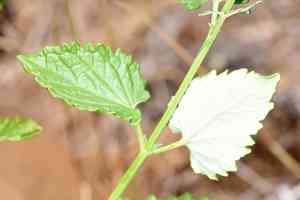
Western giant hyssop (Agastache occidentalis)
Also known as: Western Giant Hyssop
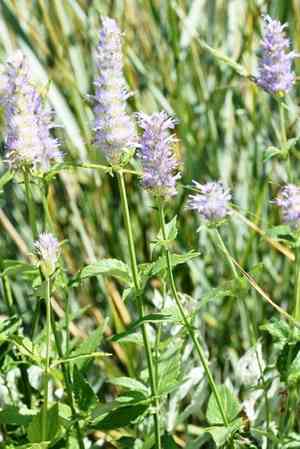
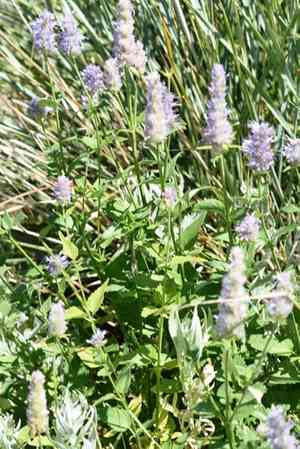
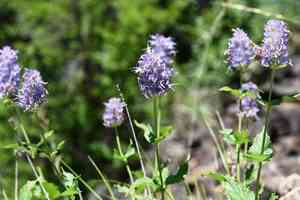
The western giant hyssop (Agastache occidentalis) is a fragrant perennial known for its striking spikes of tubular flowers, predominantly in shades of pink and purple. It features square stems and toothed leaves. This plant thrives in sunny, well-drained locations and is particularly attractive to pollinators, such as bees and butterflies, thanks to its nectar-rich blooms. It plays an important role in the ecosystem by providing a valuable food source for these insects.
In This Article
Attributes of Western giant hyssop
Lifespan
Perennial
Plant Type
Herb
Plant Height
1 to 3 feet
Spread
1 to 2 feet
Leaf Color
Green
Flower Size
0.5 to 1 inch
Flower Color
Purple
Images of Western giant hyssop
Quickly Identify Western giant hyssop
1
Look for square stems, opposite leaves, and spikes of tubular purple flowers. The plant often has a minty scent when the leaves are crushed.
Scientific Classification of Western giant hyssop
Phylum
Vascular plants
Class
Dicotyledons
Order
Lamiales
Family
Mint
Genus
Giant hyssops
Species
Western giant hyssop
Planting and Growing of Western giant hyssop
Care Difficulty
Easy
Watering Schedule
Every 2 days
Sunlight Requirements
Full sun
Sunshine Duration
4-8 hours
Ideal Temperature
65-75℉
Soil Type
Potting Mix, Peat Mix
Soil pH
6.5-7.5
Fertilizer Type
Balanced
Pruning Season
Spring, Summer
Pruning Area
Branches, Leaves
Pruning Frequency
2 times a year
Repotting Season
Spring
Pot Type
Plastic, Ceramic
 How to Water Western giant hyssop?
Agastache occidentalis requires about 300 milliliters of water per session. This plant thrives best when the soil is allowed to dry slightly between waterings. Adjust the watering to ensure the soil is moist but not waterlogged. Proper watering means ensuring that the water reaches the root zone, but does not cause standing water.
What are the symptoms of an underwatered Western giant hyssop?
›
What should I do if my Western giant hyssop is not getting enough water?
›
What are the symptoms of an overwatered Western giant hyssop?
›
How to save an overwatered Western giant hyssop?
›
 What Are the Sunlight Requirements for Western giant hyssop?
Agastache occidentalis thrives under full sun or partial sun conditions. Ideal light exposure promotes robust growth, enhances bloom production, and increases disease resistance, ensuring a healthy plant throughout its lifecycle.
What is the ideal sunlight for Agastache occidentalis?
›
How to achieve ideal sunlight conditions for Agastache occidentalis?
›
Benefits of receiving the ideal sunlight?
›
 What Is the Ideal Temperature Range for Western giant hyssop?
The ideal temperature range for growing Agastache occidentalis is between 65°F and 75°F. This range promotes the best growth and ensures that the plant maintains its health, vibrancy, and optimal flowering capability. Temperatures within this range support efficient nutrient absorption and proper photosynthesis, leading to a robust plant structure and abundant blooms.
 What Soil is Best for Western giant hyssop?
Agastache occidentalis thrives in well-draining soil which prevents root rot and other moisture-related diseases. This ensures that the roots receive just the right amount of water without being waterlogged, promoting healthy plant growth. The plant prefers a moderately fertile soil that is rich in organic matter. This nutrient-dense environment supports robust growth, enhancing foliage and flowering, making the plant a stunning addition to gardens. This species flourishes in neutral to slightly acidic soils with a pH range of 6.5 to 7.5. Maintaining this pH balance ensures optimal nutrient absorption and overall plant health, fostering vigorous development.
 How to Fertilize Western giant hyssop?
For Agastache occidentalis, the recommended fertilizer amount should be modest. Use a balanced 10-10-10 liquid fertilizer diluted to half-strength, applying about 1 pint per square foot of soil. This ensures the plant receives adequate nutrition without overwhelming it.
 How to Prune Western giant hyssop?
Closely inspect the plant before starting with pruning to identify any diseased or dead branches that need removing first. Beginning with these sections helps to prevent infections from spreading and ensures that you can concentrate on shaping the healthy growth. It's always best to prioritize the plant's health when approaching regular maintenance tasks. Use sharp, sterilized pruning shears for neat cuts to avoid damaging the stems of Agastache occidentalis. Always make your cuts just above a leaf node to encourage branching. When trimming the plant, aim to remove no more than one-third of the plant at a time to minimize stress and promote quick recovery. Approaching pruning with care leads to a more vibrant and resilient plant.
More About Pruning Techniques→
 How to Propagate Western giant hyssop plant?
1
Start by filling your seed tray with a quality seed-starting mix. Sow the Agastache occidentalis seeds lightly on the surface and mist them with water. Cover with a thin layer of vermiculite, and maintain a temperature of around 70°F for optimal germination.
2
Choose healthy, non-flowering stems for cuttings. Use sharp pruning shears to cut 4-6 inch sections just below a node. Remove leaves from the lower half and dip the cut end in rooting hormone before planting in a moistened potting mix.
3
This method is usually done in early spring. Carefully dig up mature plants, using a sharp spade to divide the rootball into sections. Replant each section at the same depth as the original, ensuring adequate spacing for growth.
 How to Repot Western giant hyssop plant?
1
Signs that your Agastache occidentalis needs repotting include roots showing at the pot's drainage holes or the soil drying out too quickly after watering. Ideally, repot during early spring or early autumn when the plant is not in full growth to minimize stress.
2
Pick a pot that is one size larger than the current one to give roots room to grow. Ensure it has good drainage holes to prevent waterlogging, which can lead to root rot. A slightly bigger pot provides ample space for root expansion while ensuring that the plant does not become pot-bound soon.
3
Use a well-draining potting mix specifically formulated for herbs or flowering perennials. This ensures that the roots do not sit in water, reducing the risk of root rot while promoting healthy growth and vibrant blooming.
Learn More About Western giant hyssop Diseases
Anthracnose
Bacterial Leaf Spot
Bacterial Soft Rot
Bacterial Wilt
Crown Gall
Cyst Nematode
Damping-off
Downy Mildew
Drought Stress
Fusarium Wilt
Gray Mold
Leaf Spot
Mosaic
Nutrient Deficiency
Nutrient Toxicity
Powdery Mildew
Root Rot
Root-knot Nematode
Rusts
Sooty Mold
Spider Mites
Temperature Stress
Thrips Damage
White Mold



