How to Propagate Western giant hyssop?
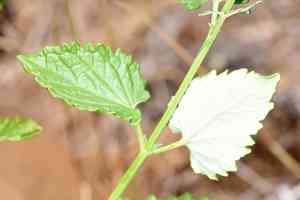
Agastache occidentalis, an aromatic perennial, flourishes optimally in permeable soil under direct sunlight. Employ freshly harvested seeds for planting, gently covering them with earth, and maintaining consistent dampness without saturation. Sprouting generally takes place within several weeks, providing cultivators with fragrant leaves and attractive blossoms. For vigorous development, position the plants with sufficient distance, facilitating air movement. Carefully reduce the number of seedlings to foster more resilient individual specimens.
When Is the Optimal Time to Propagate Western Giant Hyssop?
Propagation Method
Seeding
Propagation Period
Spring
What Equipment Is Utilized for Western Giant Hyssop Propagation?
Seed Tray
Employed for germinating western giant hyssop seeds in a regulated setting. Ensures consistent moisture and temperature, vital for sprouting.
Heat Mat
Delivers warmth to the base of the seed tray, encouraging quicker and more uniform germination. Crucial for maintaining an ideal temperature range.
Humidity Dome
Maintains elevated humidity levels around the young plants, preventing the delicate western giant hyssop seeds from drying out and aiding successful germination.
Seedling Heat Mat Thermostat
Controls the heat mat's temperature to keep it within the perfect range for western giant hyssop seeds, avoiding excessive heat or insufficient warmth.
Spray Bottle
Provides a fine mist to hydrate seeds and seedlings. Prevents disruption of the seeds, which could impede sprouting and root development.
Labeling Stakes
Used to identify different seed varieties within the tray. Important for monitoring germination progress and for organization.
Fine Sand
Can be used to lightly cover the seeds, assisting moisture retention and ensuring seeds are not buried too deeply, which could hinder germination.
How to Propagate Western Giant Hyssop?
Propagation Difficulty
Simple
How to Nurture Your Newly Propagated Western Giant Hyssop?
How to Nurture Your Newly Propagated Western Giant Hyssop?
Post-transplant, western giant hyssop needs full sun and well-drained soil to flourish. Water young plants regularly to establish roots, but ensure the soil isn't waterlogged. Apply a balanced fertilizer during the growing season to encourage robust growth. Prune spent flowers to promote continuous blooming and prevent disease. Mulch around the plant's base to retain moisture and suppress weeds, but avoid placing mulch directly against the stem to prevent rot.
Common Errors to Avoid When Propagating Western Giant Hyssop
Incorrect soil preparation
Using soil that is too compact or lacks proper drainage can impede root development and lead to root rot.
Excessive watering
Over-watering can cause root rot and fungal infections, severely impacting the plant's health.
Insufficient light
Failure to provide adequate light can result in weak, elongated growth, diminishing the plant's vitality.
Using the wrong type of cutting
Taking cuttings from unhealthy or non-viable parts of the plant reduces the likelihood of successful propagation.
Neglecting pest control
Allowing pests like aphids or spider mites to go unchecked can harm young plants and hinder growth.
Advice For Propagating Western Giant Hyssop
Utilize well-draining soil
Ensure the potting mix drains effectively to prevent waterlogged conditions and foster healthy root systems.
Moderate watering
Keep the soil consistently moist but not saturated; allow the top inch of soil to dry out between waterings.
Provide ample sunlight
Position western giant hyssop in a spot that receives plenty of direct sunlight to encourage strong and healthy development.
Select healthy cuttings
Choose robust, non-flowering stems for cuttings, ideally with several nodes from which roots can emerge.
Monitor for pests
Regularly inspect for and manage pests using appropriate organic or chemical treatments to safeguard young plants.



