How to Prune Indian jointvetch?
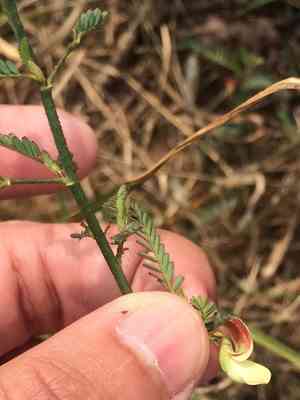
This aquatic legume thrives with trimming to foster dense development and control its swift expansion. Trim indian jointvetch early in spring, precisely when fresh shoots emerge. Eliminate any lifeless or frail stalks and reduce one-third of the vigorous stems to stimulate branching. Should it be required, a gentle summer snip can preserve its form. Refrain from autumn pruning, as it could impede the formation of structures for winter survival. Consistent trimming also assists in curbing its invasive tendencies and simplifies its upkeep in cultivated areas.
What Are the Benefits of Pruning Indian Jointvetch?
What Are the Benefits of Pruning Indian Jointvetch?
Trimming indian jointvetch promotes robust development and helps maintain its form. By eliminating dead or overgrown stems, plants direct energy towards producing healthy foliage and can prevent the spread of illness.
What Is the Best Time for Pruning Indian Jointvetch?
What Is the Best Time for Pruning Indian Jointvetch?
Trimming indian jointvetch in spring allows for the removal of any cold-damaged branches and stimulates new growth that can mature during the active season. Early summer is also an ideal time to prune indian jointvetch as it is actively growing, and pruning can help manage its size and shape. Pruning in fall, before dormancy, can help prevent disease and allows indian jointvetch to recover before winter arrives. These periods ensure the preservation of indian jointvetch's health and prevent stress during blooming or fruiting phases.
What Tools Do I Need to Prune Indian Jointvetch?
Hand Pruners
These are suitable for cutting stems and thin branches up to 3/4 inch thick. Indian jointvetch typically has relatively thin stems, which can be easily managed with hand pruners.
Loppers
When dealing with thicker branches that exceed the capacity of hand pruners, loppers are the next step up, capable of cutting branches up to 1 1/2 inches in diameter.
Pruning Saw
For the thickest branches that indian jointvetch may develop, a pruning saw is appropriate. This tool can handle diameters that are beyond the scope of both hand pruners and loppers.
Gardening Gloves
Wearing gloves provides protection against thorns or sharp branches while pruning indian jointvetch.
Pruning Shears
These are for shaping the plant and managing soft growth. They offer a clean cut, ideal for maintaining the health and aesthetics of indian jointvetch.
How to Prune Indian Jointvetch
Clean
Sanitize pruning shears or scissors by wiping them with alcohol to prevent the spread of disease to indian jointvetch.
Identify
Carefully inspect indian jointvetch for withered leaves, looking for discolored, dried out, or visibly damaged foliage which requires removal.
Trim
Using the sterilized shears, snip off the withered leaves at their base, taking care not to harm adjacent healthy foliage or stems.
Dispose
Discard the removed withered leaves of indian jointvetch in a compost bin or as advised by local garden waste regulations, to prevent potential pest or disease issues.
Maintain
Continue to monitor indian jointvetch regularly for additional withered leaves or other signs of stress that may require future pruning.
Common Pruning Mistakes with Indian Jointvetch
Over-pruning
Removing too much foliage from indian jointvetch at once can stress the plant, leading to poor growth or even plant death.
Improper cutting technique
Using dull or dirty tools, or making jagged cuts, can damage the stems of indian jointvetch and invite disease.
Pruning without reason
Cutting indian jointvetch without understanding the plant's growth habit or the purpose of pruning can result in undesirable plant shape and health.
Ignoring diseased material
Failing to remove or disinfect diseased plant parts can spread pathogens throughout indian jointvetch, leading to further health issues.
Neglecting tool hygiene
Not sterilizing pruning tools before use on indian jointvetch can transfer disease between plants.
Common Pruning Tips for Indian Jointvetch
Clean cuts
Use sharp, clean pruning shears to make clean cuts on indian jointvetch, which help the plant heal faster and reduce disease risk.
Remove dead material
Regularly remove dead or dying stems and leaves from indian jointvetch to encourage healthy growth and improve air circulation.
Thin dense growth
Thin out dense growth to allow light and air to penetrate indian jointvetch, which helps prevent disease and encourages strong, healthy stems.
Prune for shape
Prune indian jointvetch with its natural shape in mind to maintain an aesthetically pleasing form while promoting healthy growth habits.
Disinfect tools
Sterilize pruning tools before and after use on indian jointvetch to prevent the spread of disease between plants or plant parts.



