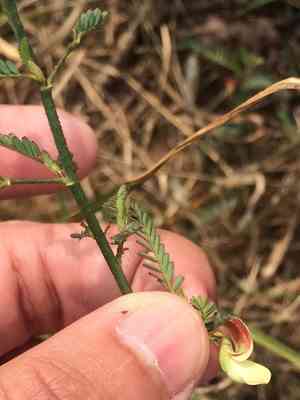
Indian jointvetch (Aeschynomene indica)
Also known as: Knuckle bear bush, Hard sola, Sensitive vetch
The Indian jointvetch (Aeschynomene indica) stands out due to its unclear native origins, being found across Africa, Asia, Australia, and the southeastern United States. Unlike many plants, it is toxic and unsuitable for animal consumption. Interestingly, it can be utilized in making pesticides or even gunpowder, showcasing its diverse applications.
In This Article
Attributes of Indian jointvetch
Lifespan
Annual, Perennial
Plant Type
Herb
Plant Height
2 m
Spread
N/A
Leaf Color
Green
Flower Size
1.5 cm to 2 cm
Flower Color
Yellow Red
Images of Indian jointvetch
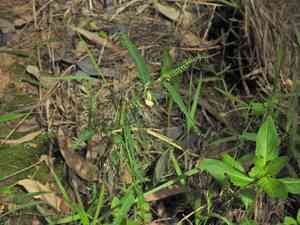
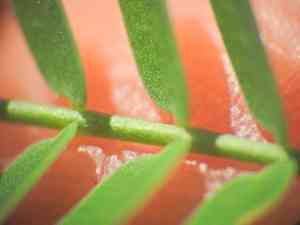
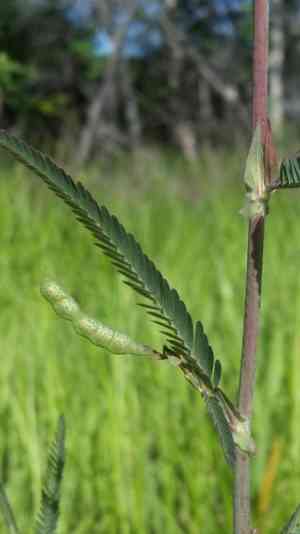
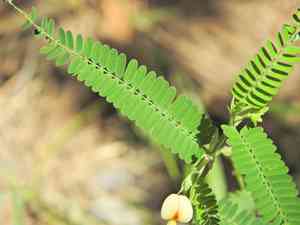
Quickly Identify Indian jointvetch
1
Recognizable by its compound leaves with numerous leaflets and small yellow flowers. The plant has a jointed stem which can break easily, hence the name \'Jointvetch\'.
Scientific Classification of Indian jointvetch
Phylum
Vascular plants
Class
Dicotyledons
Order
Fabales
Family
Legume
Genus
Jointvetches
Species
Indian jointvetch
Planting and Growing of Indian jointvetch
Care Difficulty
Easy
Watering Schedule
Every 4 days
Sunlight Requirements
Full sun
Sunshine Duration
8-12 hours
Ideal Temperature
77-86℉
Soil Type
Potting Mix, Peat Mix
Soil pH
6.5-7.5
Fertilizer Type
Balanced
Pruning Season
Spring, Summer
Pruning Area
Branches, Leaves
Pruning Frequency
2 times a year
Repotting Season
Spring
Pot Type
Plastic, Ceramic
 How to Water Indian jointvetch?
Aeschynomene indica prefers a consistent watering schedule. Ensure that the soil remains moist but not waterlogged. Generally, 200 ml of water per session is recommended, which is enough to moisten the top 5-7 cm of soil without causing pooling. This helps in maintaining adequate soil aeration and nutrient uptake.
What are the symptoms of an underwatered Indian jointvetch?
›
What should I do if my Indian jointvetch is not getting enough water?
›
What are the symptoms of an overwatered Indian jointvetch?
›
How to save an overwatered Indian jointvetch?
›
 What Are the Sunlight Requirements for Indian jointvetch?
Aeschynomene indica benefits from a light range that includes half to full day sunlight. This ideal exposure promotes robust plant growth, enhances photosynthetic efficiency, and fosters healthy bloom cycles.
What is the best type of sunlight for Aeschynomene indica?
›
How can I ensure Aeschynomene indica gets adequate sunlight?
›
What are the benefits of providing the ideal light conditions to Aeschynomene indica?
›
 What Is the Ideal Temperature Range for Indian jointvetch?
The ideal temperature range for Aeschynomene indica is between 77 to 86°F. This range allows for optimal metabolic processes and growth. It's crucial to maintain this temperature to ensure the plant can photosynthesize efficiently while supporting cellular activities.
 What Soil is Best for Indian jointvetch?
Aeschynomene indica thrives in well-drained soils that prevent root rot and support healthy growth. Proper drainage ensures that the plant receives the right balance of oxygen and moisture. This plant benefits from soils enriched with organic matter, providing essential nutrients that promote vibrant foliage and robust flowering. The soil should maintain moisture without becoming waterlogged, ensuring that the plant has consistent access to water, crucial for its growth and survival.
 How to Fertilize Indian jointvetch?
For healthy growth, Aeschynomene indica should receive a balanced fertilizer at a concentration of 20-10-10. When using liquid fertilizer, apply 5ml per liter of water. For solid fertilizers, use approximately 25 grams per plant annually.
 How to Prune Indian jointvetch?
Start by examining your Aeschynomene indica for any dead, damaged, or diseased branches. Using sterilized pruners, cut these parts away at the base or back to the healthy part of the plant. This prevents the spread of diseases and ensures that the plant's energy is directed towards healthy growth. Make clean cuts to minimize damage and encourage quick healing. To maintain a bushy appearance, trim the top growth to stimulate lateral branches. Aim to maintain a balanced shape that allows sunlight to penetrate all parts of the plant. Avoid cutting more than one-third of the plant at one time, as this can stress the plant. Focus on creating a pleasing and natural shape that promotes open and airy growth.
More About Pruning Techniques→
 How to Propagate Indian jointvetch plant?
1
Collect or purchase viable seeds from a reliable source. Ensure they are free from damage or disease, as healthy seeds are fundamental to successful propagation. Inspect them for uniformity and firmness.
2
Prepare a well-draining soil mix, incorporating components like perlite and peat for aeration and moisture retention. Thoroughly mix and moisten the soil before filling trays or pots. This ensures the optimal growth environment for seedlings.
3
Cut 4- to 6-inch healthy stem sections using sharp pruners. Choose stems with several leaves but avoid those with flower buds. Remove leaves from the lower half to ensure they do not rot in the soil.
 How to Repot Indian jointvetch plant?
1
Aeschynomene indica signals the need for repotting when its roots begin to circle the pot or when water takes longer to drain. These are signs that the plant requires more space to flourish. Spring or early Summer is ideal because the plant is entering its active growth phase, which helps it recover swiftly from any transplant shock. Keep an eye for wilting or slow growth, as these may indicate the need for fresh soil and more room.
2
Select a pot that is one or two sizes larger than the current one, with adequate drainage holes to prevent waterlogging. This helps in avoiding root rot and facilitates proper growth. A pot made from breathable material like clay or terracotta can help regulate soil moisture levels, adding a layer of protection against overwatering. Ensure the pot complements the plant's growth habit, offering enough width and height for its roots to spread comfortably.
3
Opt for a well-draining loamy soil mix, enriched with organic matter to support plant growth. A terra-cotta soil mix with perlite or vermiculite added ensures excellent drainage, thus minimizing the risk of root rot. This kind of soil keeps the roots well aerated, promotes healthy development, and retains the necessary moisture without becoming waterlogged, thereby creating an ideal growing environment for Aeschynomene indica.
Toxicity
ingestion
WARNING
The judgment on toxicity and danger is for reference only. We DO NOT GUARANTEE any accuracy of such judgment. Therefore, you SHALL NOT rely on such judgment. It is IMPORTANT TO SEEK PROFESSIONAL ADVICE in advance when necessary.
Learn More About Indian jointvetch Diseases
Anthracnose
Bacterial Leaf Spot
Bacterial Wilt
Crown Gall
Cyst Nematode
Damping-off
Downy Mildew
Drought Stress
Fusarium Wilt
Gray Mold
Leaf Curl
Leaf Spot
Mosaic
Nutrient Deficiency
Nutrient Toxicity
Powdery Mildew
Root Rot
Root-knot Nematode
Rusts
Sooty Mold
Spider Mites
Temperature Stress
Thrips Damage
White Mold



